Today we will learn about retail sales and M3 money supply data for April. Based on a study of card spending by our bank’s customers, we estimate that after a sharp rise in sales in March, up 8.7% year‑over‑year, the momentum in April eased, slowing to 1.5% year‑over‑year.
Market consensus also points to a slowdown in sales growth, but to a lesser extent, to 3.0% year‑over‑year. The pace of money supply, both in our assessment and according to the market, fell slightly, from 11.5% year‑over‑year to 11.0‑11.2% year‑over‑year.
In May most of the GUS economic activity indicators improved slightly or stabilized. The biggest improvement was seen in the transport and warehousing sector, whose indicator rose by 3.7 points, simultaneously correcting the sharp decline that occurred a month earlier. The horeca sector indicator also rose, by 1.1 points to 6.3 points, but it still remains clearly below the levels at the beginning of the year.
The construction and retail trade indicators rose slightly, not exceeding 1.0 point, and the industrial processing indicator remained stable at the April level of -6.1 points. The data indicate that the price shock caused by the war in Iran did not strongly affect the deterioration of business sentiment among Polish enterprises, supporting our expectations of continued solid economic growth.
Ormuz could trigger a global food crisis
According to the United Nations Food and Agriculture Organization (FAO), a blockade of the Strait of Ormuz could trigger a global food price crisis within the next 6‑12 months. As stated, the blockade is the beginning of a systemic agricultural‑food shock, and its impact is already visible in the behavior of the world food price index, which rose for the third month in a row in April. FAO added that the situation could worsen with the onset of El Niño, which is expected to bring droughts and disrupt rainfall and temperature patterns.
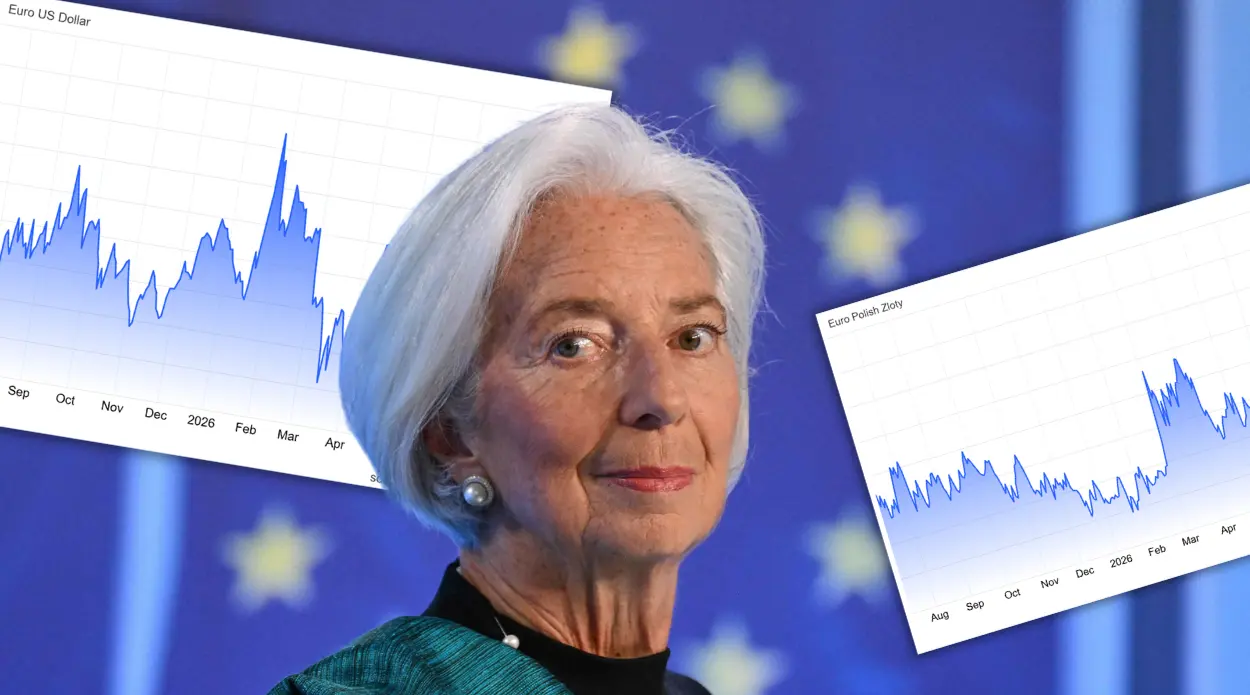
The euro EUR/PLN fell to just below 4.24
On Friday market sentiment was positive, helped by news of another Pakistani attempt to negotiate peace between Iran and the USA. Oil prices fell, and the markets rose. Good sentiment supported the zloty, and the EUR/PLN rate fell to just below 4.24 at the end of the session.
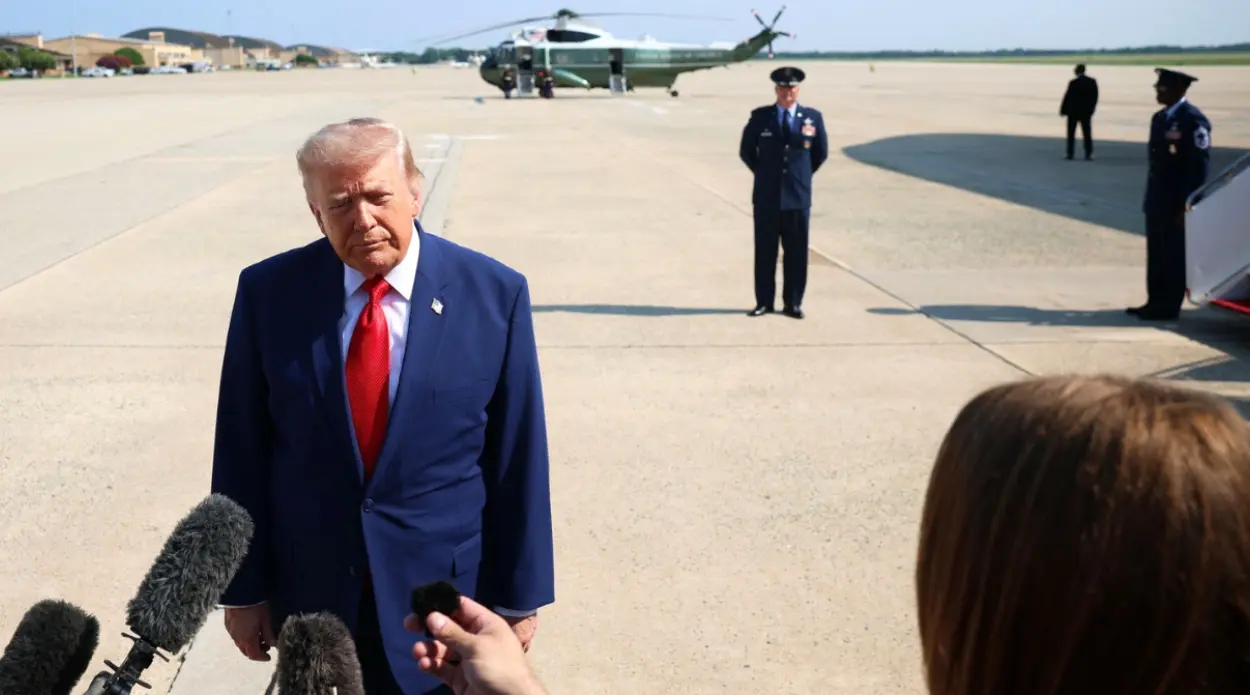
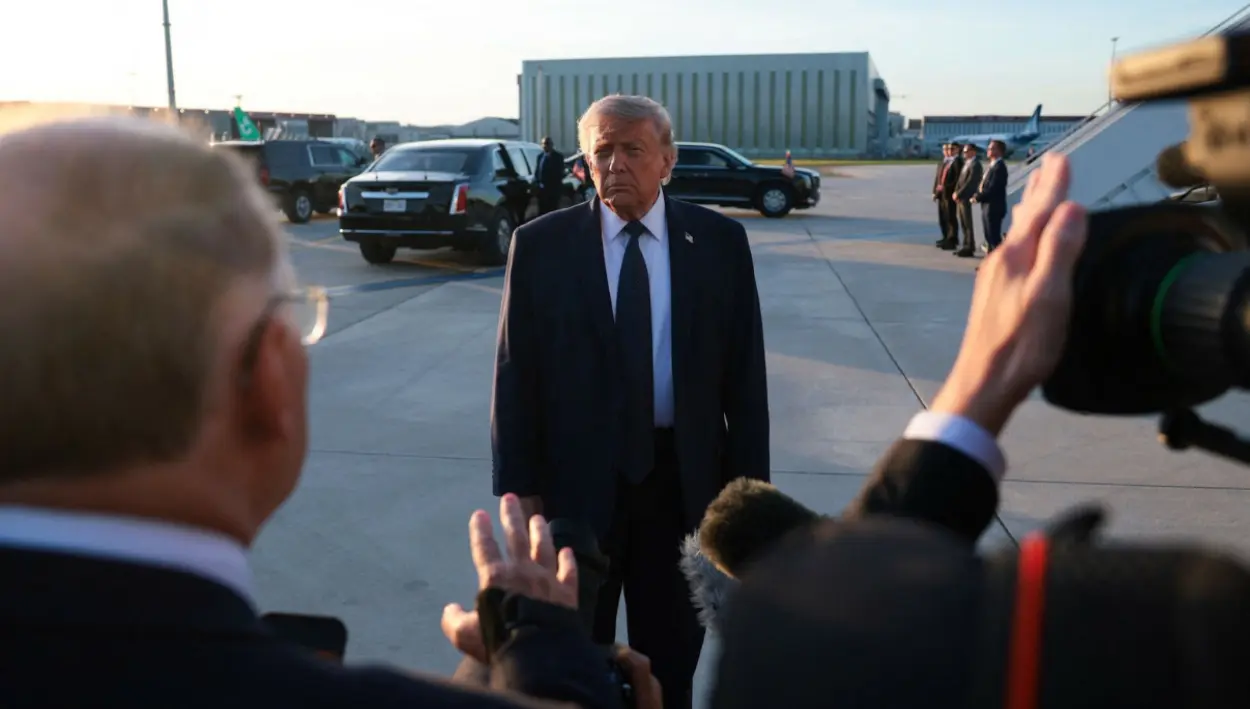
On Friday evening Kevin Warsh was sworn in as the new Fed chair, and Donald Trump told him to be completely independent of political influence. Meanwhile, over the weekend the US president confirmed that the final details of the agreement with Iran are being negotiated, and until it is reached the US blockade of Iranian ports will be maintained. Brent oil fell to $98 a barrel this morning from $103 on Friday.
Yield decline and change in rate expectations in response to geopolitical situation
Hope for the end of the Gulf War also had a positive impact on the debt market. Polish bond yields fell by several points across the entire curve. FRA rates also fell, and the 9x12 rate was 27 basis points lower than a week earlier, meaning the market withdrew from pricing a full rate hike in recent days. This week, aside from Gulf War information, inflation data will also be important for the market.