Italy is often associated with historic townhouses straight out of Rome, which may seem out of reach for many Poles. While properties in the capital are indeed not cheap, in a country known for pizza and spaghetti you can find attractive real estate to invest in.
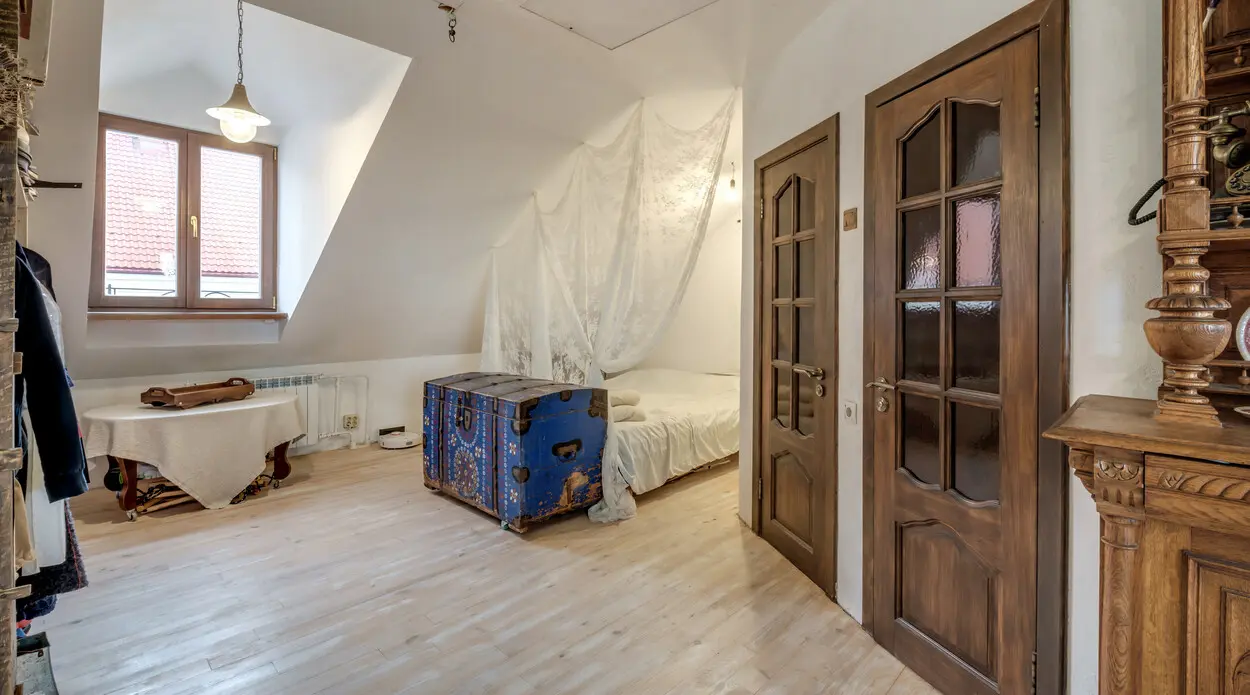
In Italy there are many properties from the 20th century and older, especially in the centers of small towns and large cities. These are often very price‑attractive. However, note that these are demanding units due to potential renovation and valuation, and how the investment could economically hold together,” notes lawyer Marcin Kwapiński, an expert on the Italian real estate market.
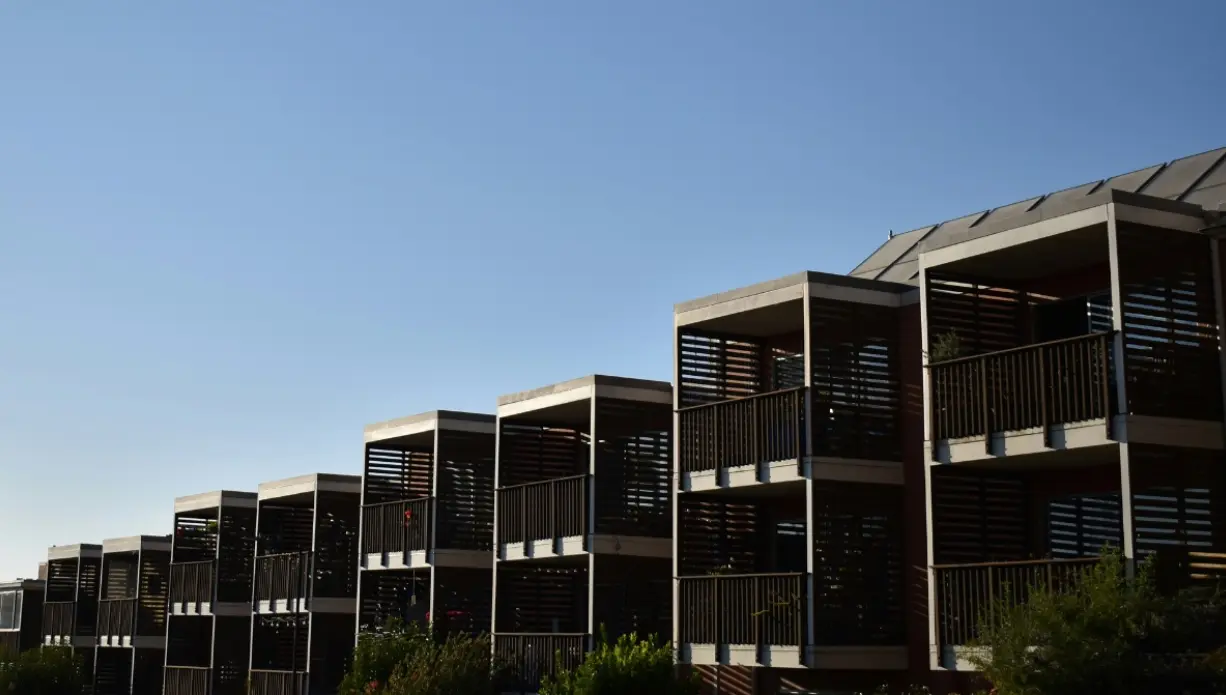
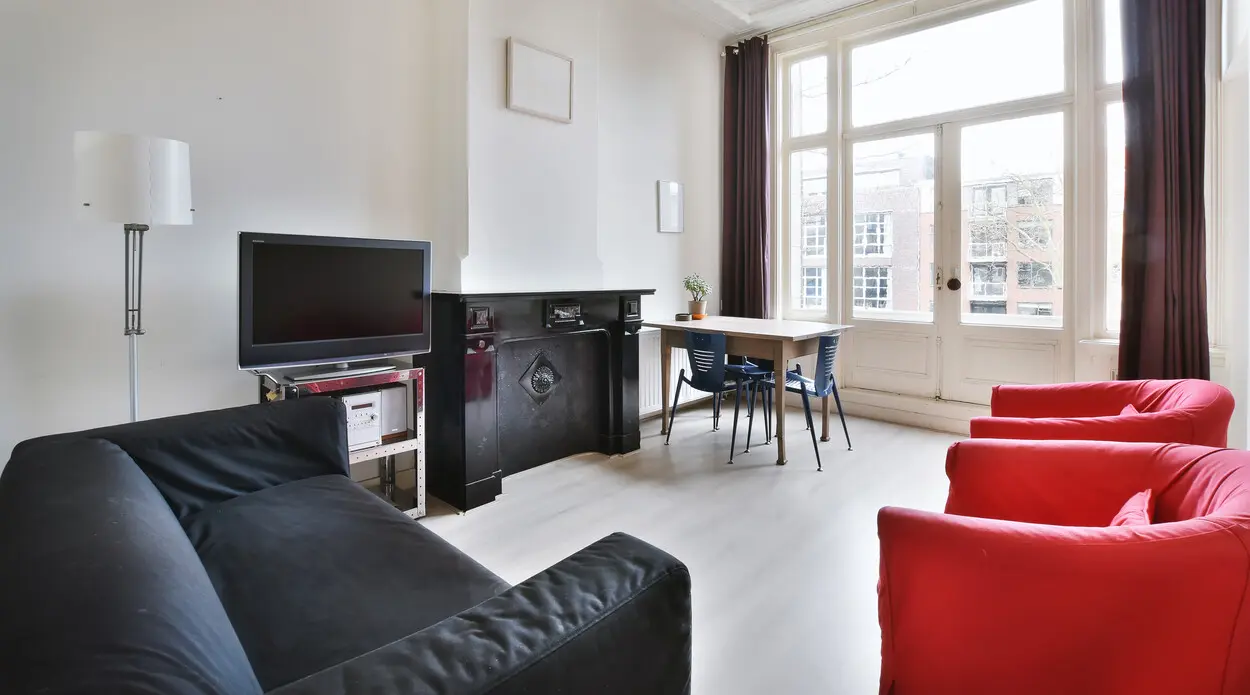
Many apartments, however, are located in buildings from the 1960s‑90s, which are largely in good condition and do not require large financial outlays.
“These are blocks built to a slightly higher standard than ours, especially the common areas which are renovated. It’s a good investment for an average client who can acquire a well‑maintained apartment for about 120 k euros” – says Marcin Kwapiński.
Investments in Italian “historic” properties
The range of units available on the Italian real‑estate market is huge. While investing in units in buildings that are 20, 30 or 50 years old should pose no problem, much older objects can turn out to be far more demanding.
“Most of these townhouses in dense construction are under the supervision of a heritage conservator or landscape conservator. It’s not easy to get approval for renovating such a building. It’s worth using local architects who know the requirements of the municipality, which simplifies the whole process. Additionally, such a person can check what we can afford when planning changes, which is a big help. This way we’ll know whether our vision complies with local law. It’s worth noting that in Italy each region can have its own separate regulations” – emphasizes an expert on the Italian real‑estate market.
As Marcin Kwapiński stresses, passing through many formalities for historic buildings is only part of the success. It’s also important to find a suitable renovation crew that can meet the challenge. This crew is also essential for renovating other units.
“Meeting deadlines won’t be something that characterizes Italians. But sooner or later they will do their job. I would definitely recommend a crew from a referral to avoid problems” – says Marcin Kwapiński.
If someone were interested in a property in Italy, the path to acquiring it could already open with a sum of 100 k euros.
“You can also find cheaper properties in smaller towns. However, note that infrastructure in such places may be slightly worse. You definitely need to consider this, especially if you’re thinking about long‑term or short‑term rental investment” – observes Marcin Kwapiński.
The primary market is hard to access
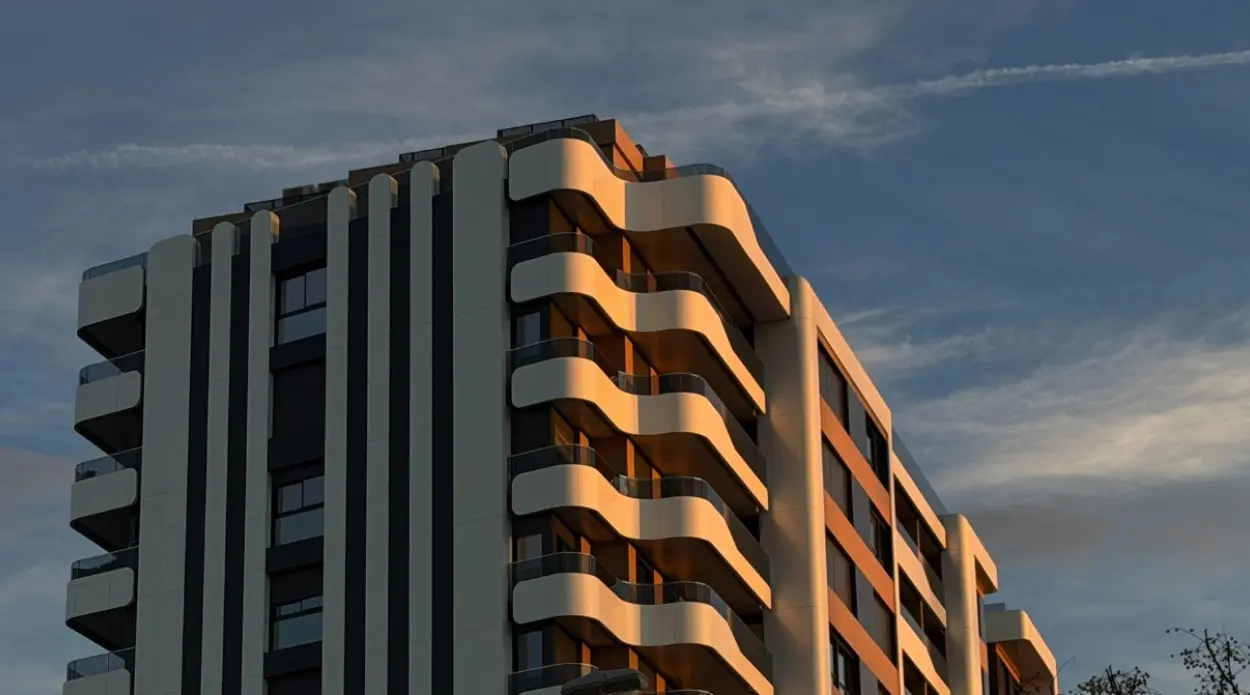
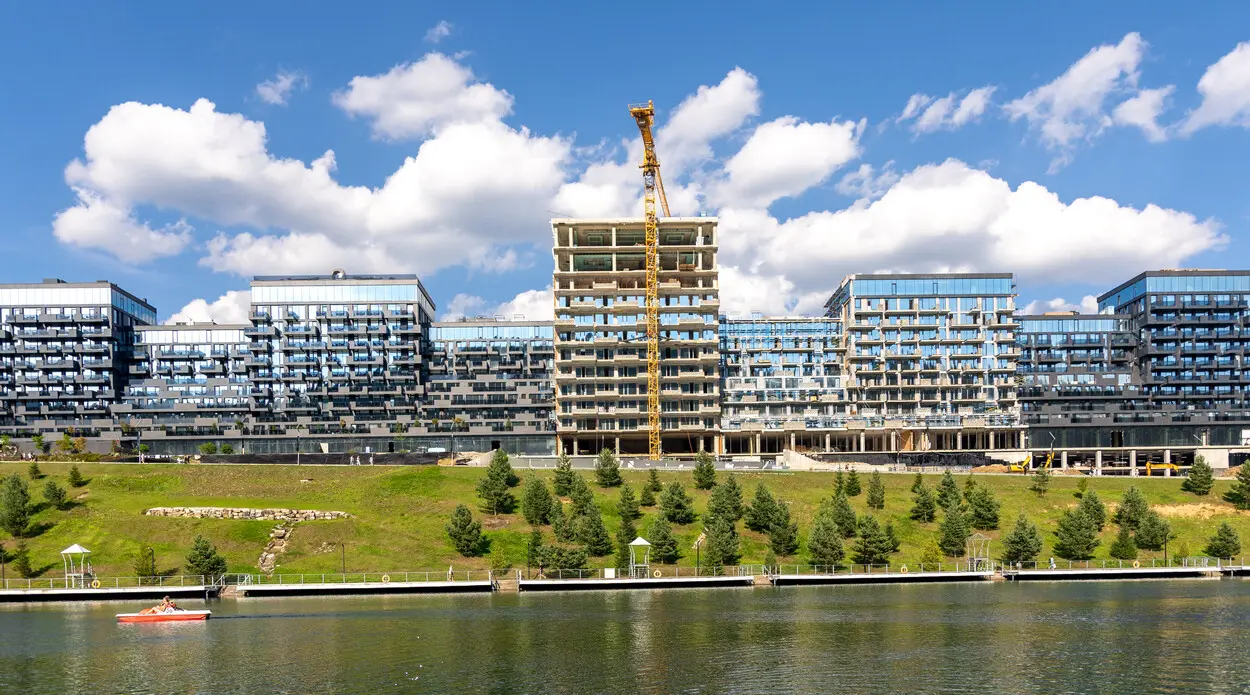
In Italy there are also apartments from developers, but their number is far smaller than those we know from Poland. The entire primary market in Italy is only 6‑7% of all apartments for sale.
These properties are more expensive, even for Italians. Just look at the statistics to see the difference. The average price per square meter on the secondary market is about 1.9 k euros, while on the primary market it’s about 5 k euros. Note that for this higher price you get significantly more. New buildings feature underground garages, large terraces, and the finishing standard should satisfy Polish investors, as it matches what we’re used to, or even slightly higher” – admits lawyer Marcin Kwapiński, an expert on the Italian real‑estate market.
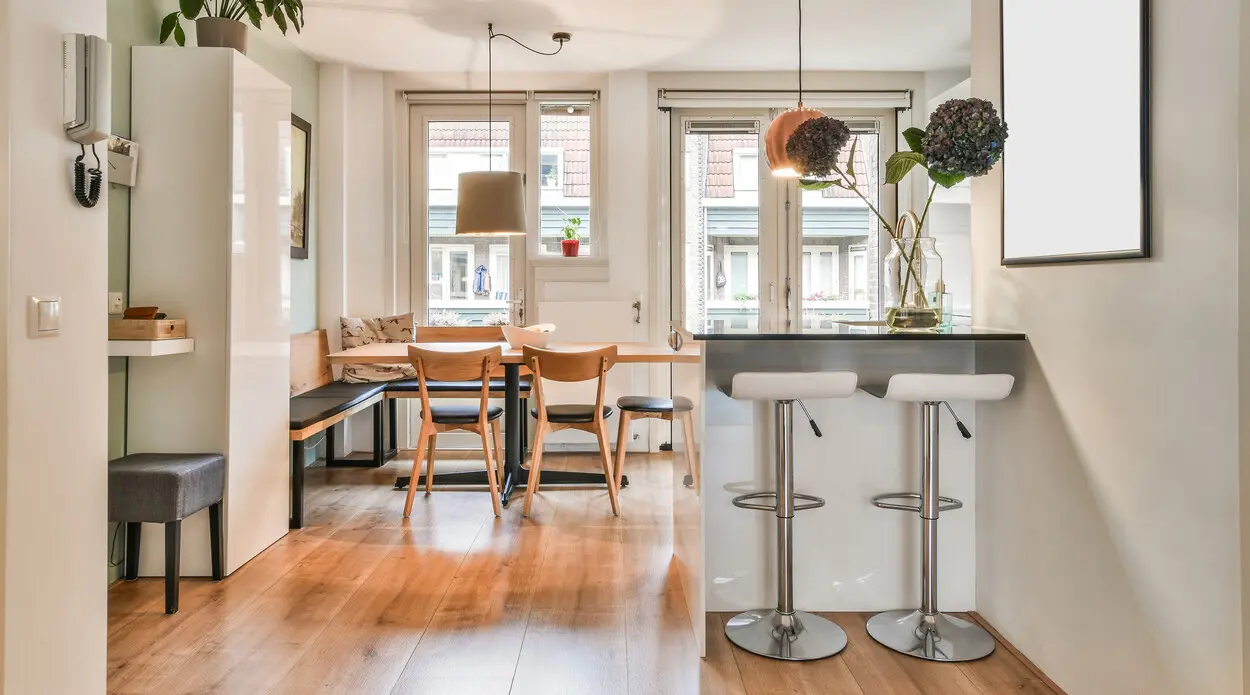
As the expert calculates, for about 200‑220 k euros you can buy a 2‑3 room apartment with a garage and terrace, from which you often get a view of a lake or mountains.
“It’s best to buy an apartment when there’s still no hole in the ground, i.e., really buy a property on paper. That’s why you have a choice among the best units with a nice view on the top floors. Often investments are carried out by small developers who build about 50 apartments a year. When it comes to negotiating the layout of the apartment, there’s a lot of room for discussion compared to price negotiations, which often don’t even come into play” – stresses Marcin Kwapiński.
Buying property on your own can carry some risk, because – as our interlocutor points out – the entire purchase procedure in Italy differs from the one known in Poland. Moreover, it’s worth insuring such a transaction to ensure guarantees even after taking the keys. A few years ago this was also a threat.
“This market is civilising. Ten years ago there was a huge risk if someone decided to buy from a developer, because there were many bankruptcies. Now it’s not the case” – notes an expert on the Italian real‑estate market.
War in Ukraine as a buying impulse for Poles
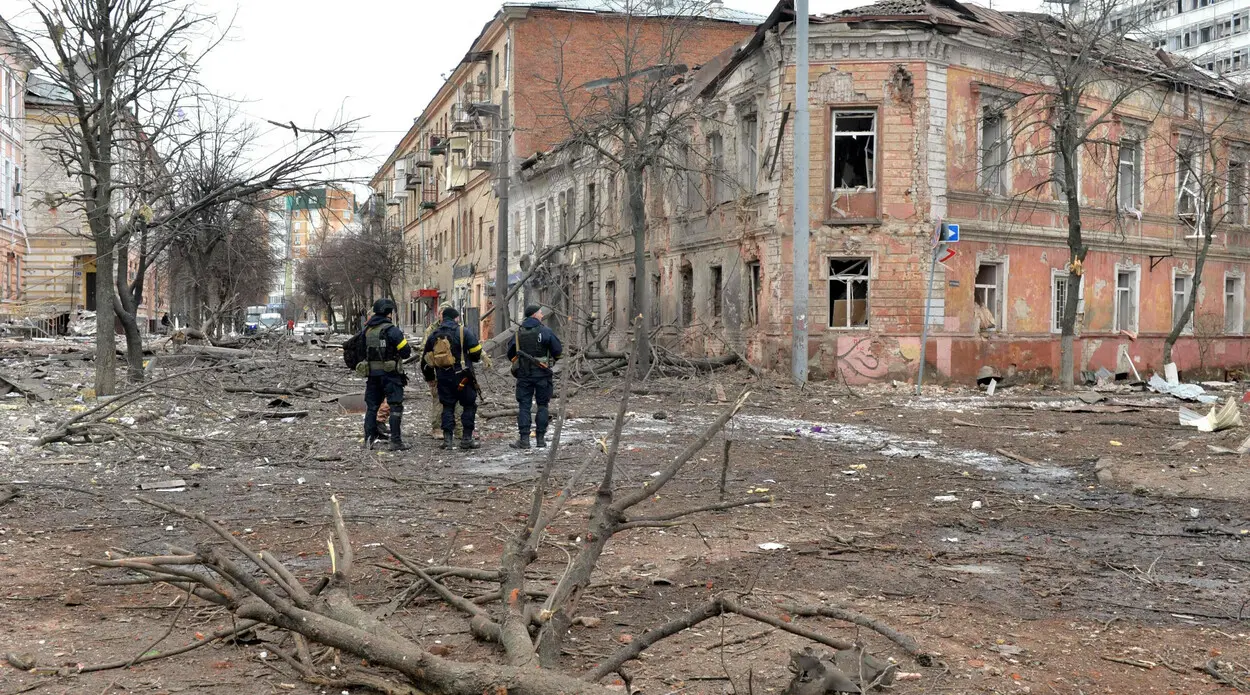
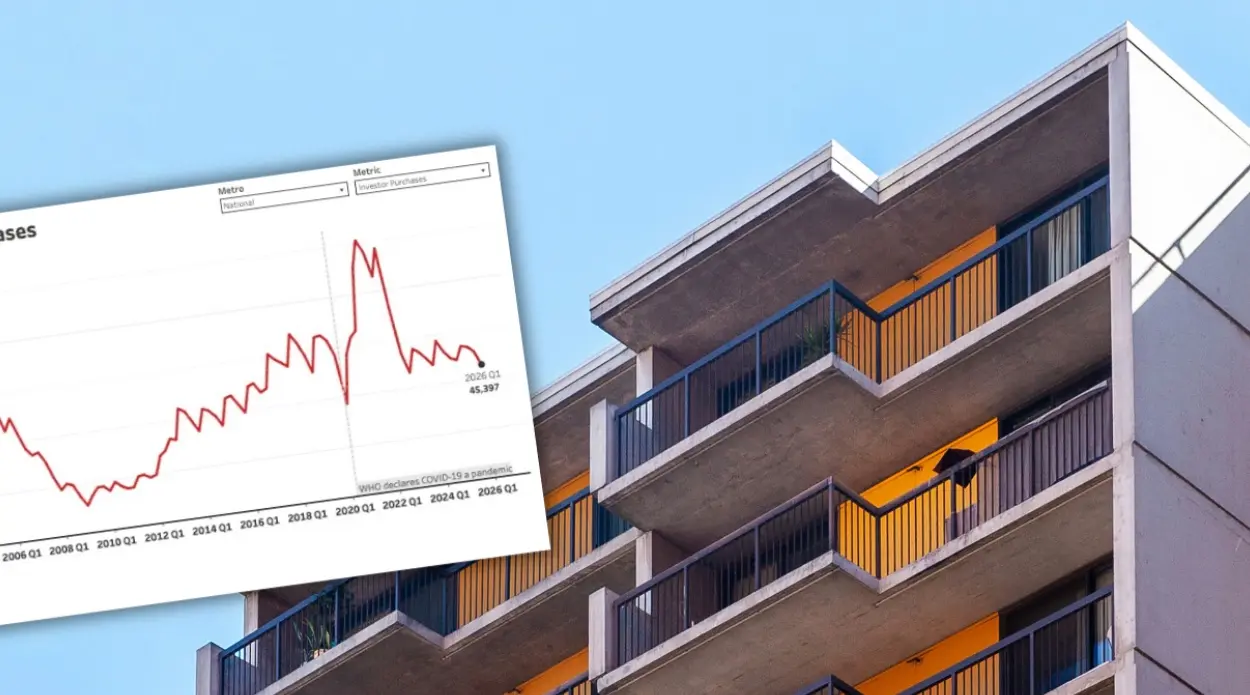
As Marcin Kwapiński calculates, the share of foreigners investing in the Italian real‑estate market is 14%. That’s a significant increase, looking at least at 2019, when that share was 9.5%. Among the people who decide to buy property in Italy are Poles who increasingly choose to invest in this country. The peak of interest in apartments and houses increased after the full‑scale war in Ukraine. Italy – according to some investors – could become an enclave in case the conflict spreads to one of the Baltic Sea countries.
I observe this in my practice and in conversations with clients who admit that it’s not the only motivation, but sometimes it’s an impulse to do it. The pandemic was also an impulse, which made many people realise that something could happen that would lock us in homes. The prospect of being locked in a home with a sea view, in a warmer climate is more interesting than in another less attractive place” – explains Marcin Kwapiński.
That’s not the only reason. Other reasons – pointed out by our interlocutor – are a stable market and return rate. As Marcin Kwapiński notes, Italy is not a speculation market. Properties there rise on average 5% year‑on‑year. The return rate is about 4‑6%, giving a sense of security even when investing in units hundreds of kilometres away from Poland.
“It’s worth considering not only the return rate itself, but also that we’ll have an apartment in Italy that we can go to for holidays. Its maintenance costs will also be covered by rental income, if we decide to do so” – notes lawyer Marcin Kwapiński.
Interestingly, Poles investing in Italy most often choose to buy property in cash. It’s a diversification that people with capital are still looking for.
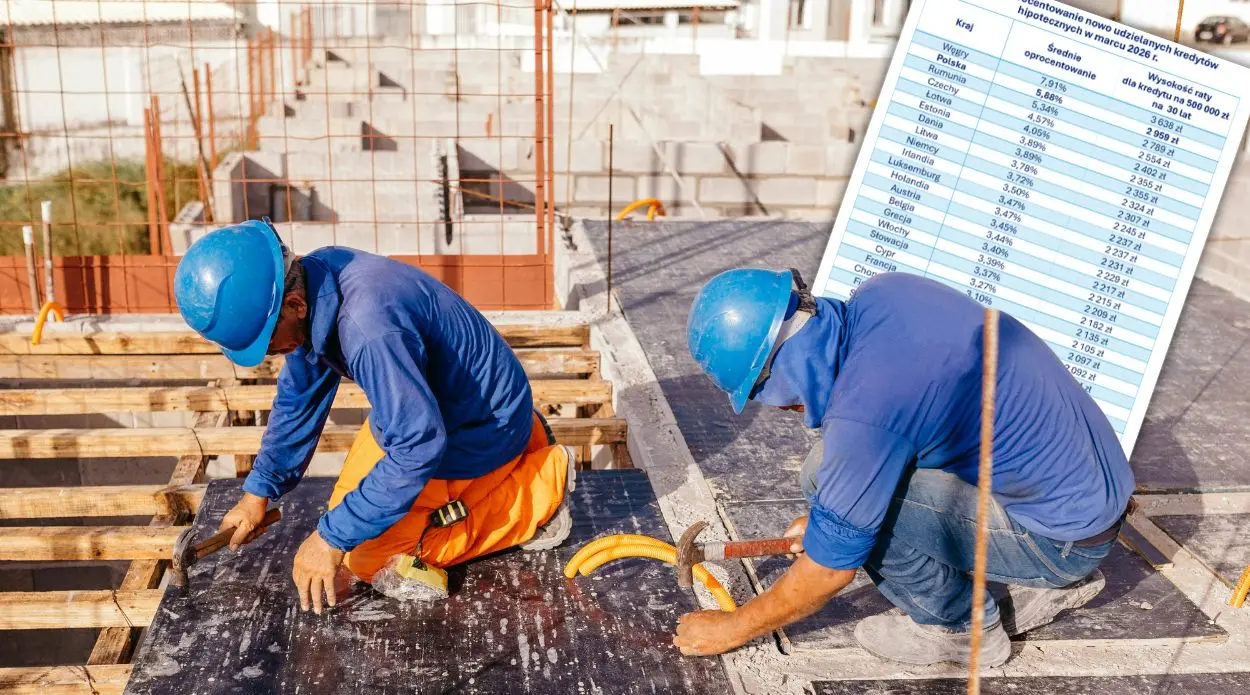
Most clients buy in cash or otherwise finance the purchase through a loan taken in Poland. There’s no possibility for an Italian bank to secure Polish property and vice versa. I don’t know of such cases. Some clients manage to get a loan, though it’s not as easy as in Spain. We’re in a different currency zone, we don’t have euros, so there are additional formalities to meet” – stresses lawyer Marcin Kwapiński, an expert on the Italian real‑estate market.
See also: Apartment in Switzerland worth its weight in gold. Although prices are huge, there are still many eager to invest in real estate