Peace talks this weekend
Apparently, another round of peace talks between the USA and Iran is set to take place this weekend. Given that the ceasefire ends next Tuesday, this appears to be a very final deadline.
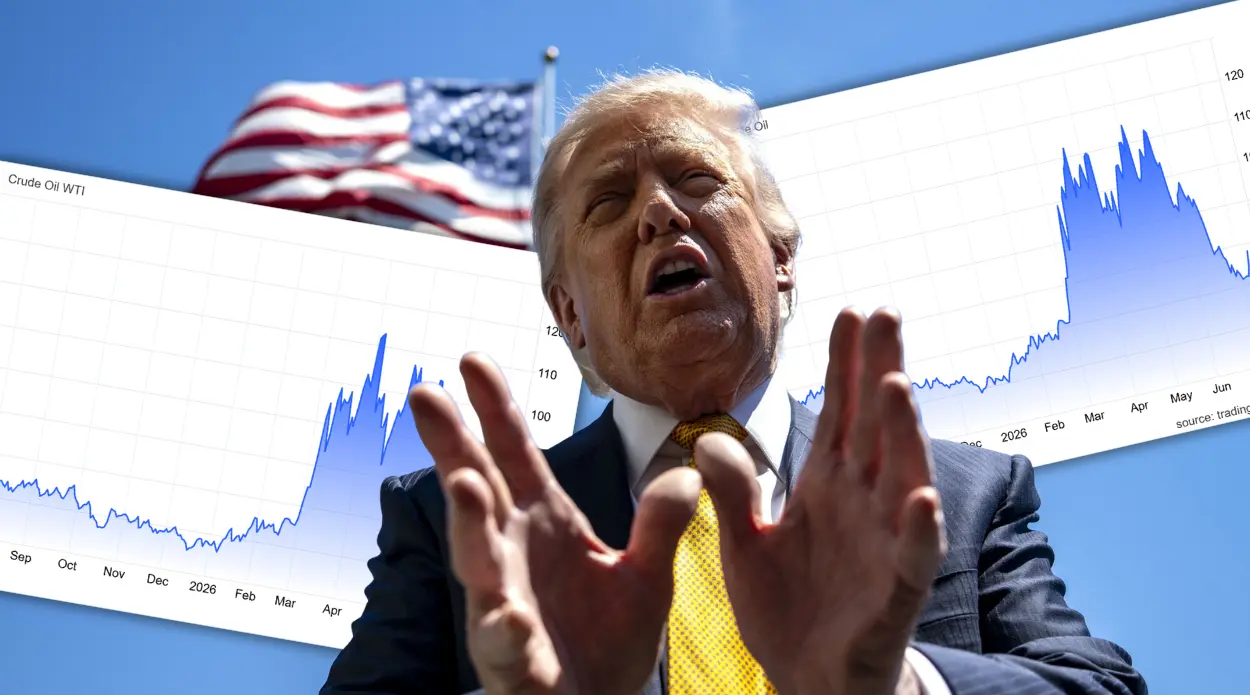
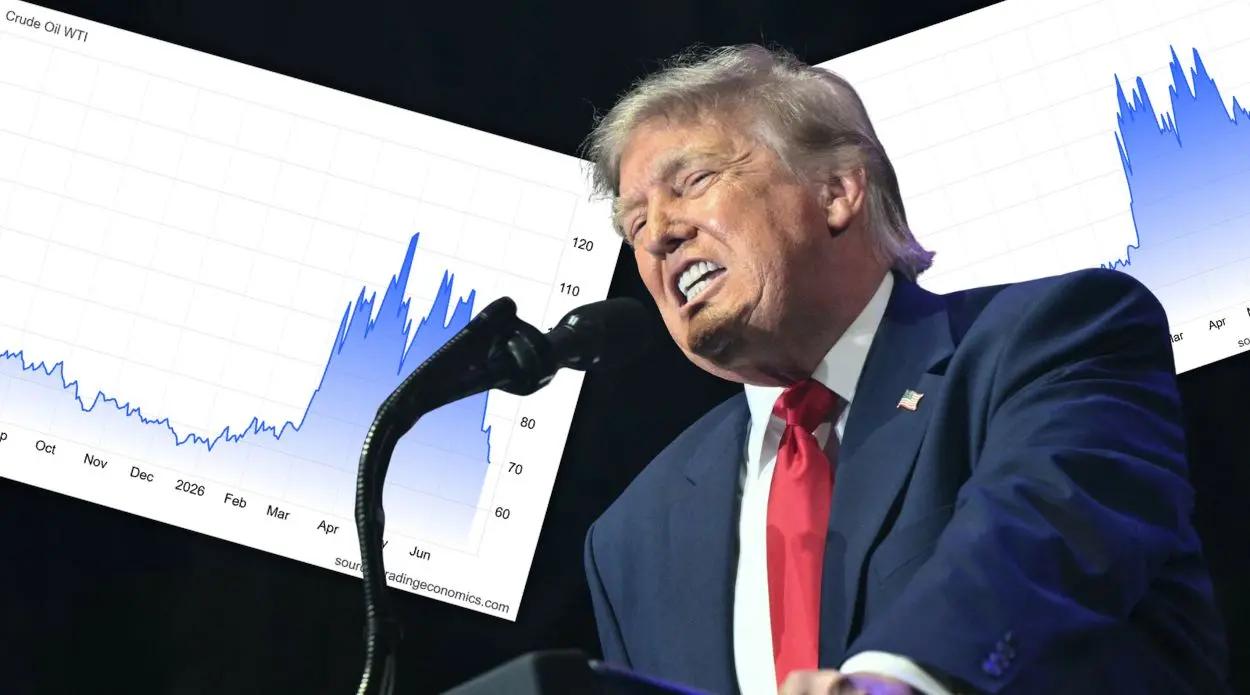
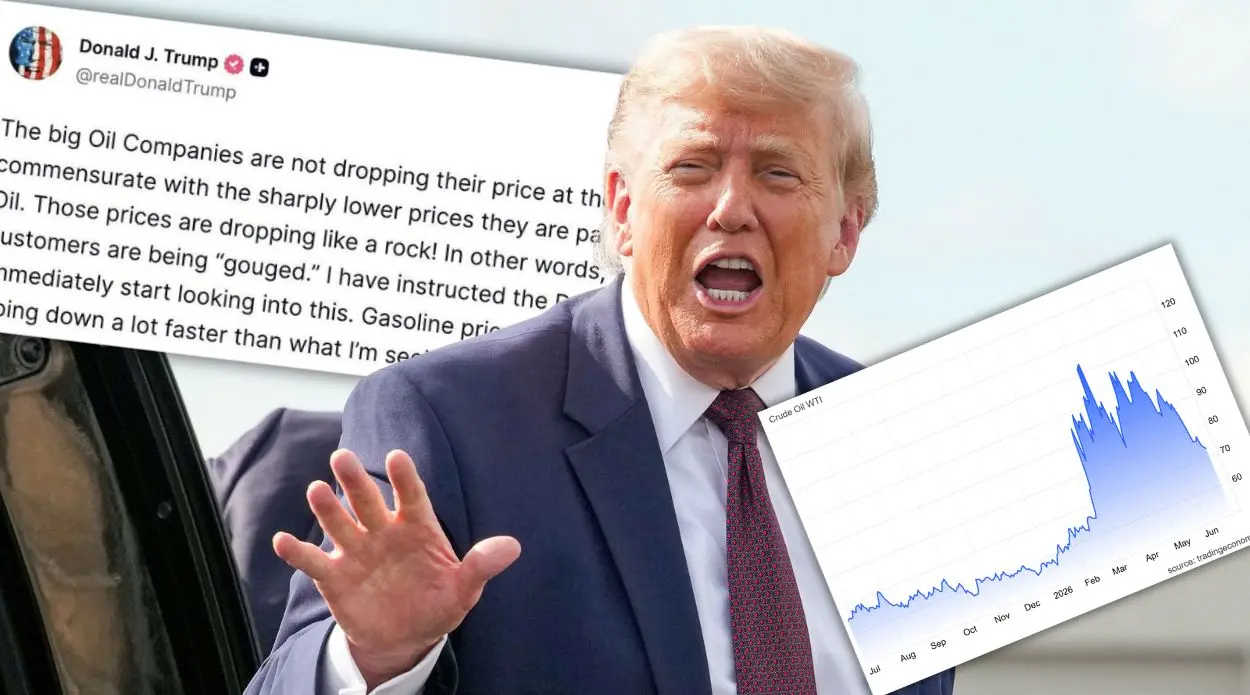
Yesterday, success of these talks was not fully believed, so oil was rising. Today, optimism returns. The question is whether before the markets close there will be another strong statement from the US president’s administration that will heat up the atmosphere. Currency markets are taking this information quite calmly.
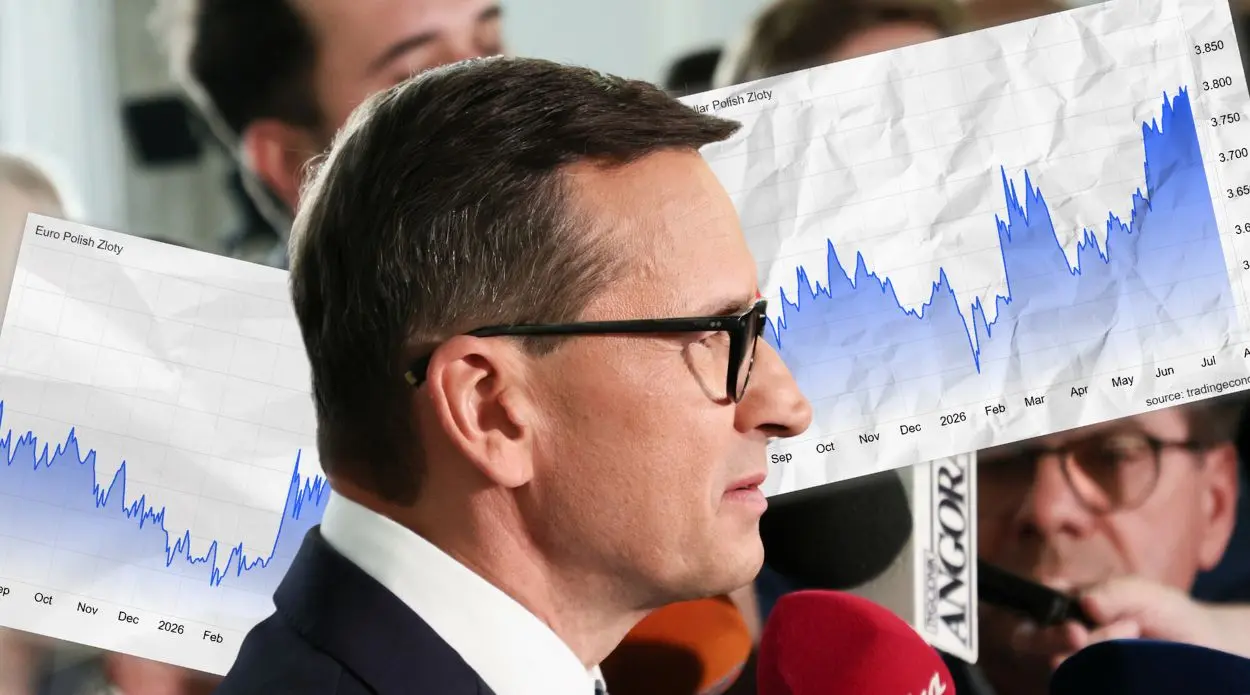
There are slight corrections, but after such strong moves they should not surprise anyone. Even if there were no changes in the Gulf, movements in currencies could also appear. If a peace agreement is reached or at least a move towards it, one should expect not only a drop in oil prices but also a strengthening of the Polish zloty.
Core inflation in Poland
Yesterday we learned data on core inflation in our country. The result of 2.7% is indeed higher than expected – the expectation was 2.6%. However, we must remember that since the price rise we have had only one reading lower than the current one.
This shows that changes are moving in the right direction. Core inflation shows us price changes theoretically excluding energy and food. Theoretically, because it is about the lack of direct energy influence. However, if higher fuel costs do affect – and they will – the prices of other goods, e.g. in the form of logistics, this indicator will not exclude that.
The value of 2.7% is almost exactly 1% lower than the interest rate indicator. Thus, it is a result that suggests that rates are currently at an appropriate level. This is not good news for borrowers who were hoping for lower payments. However, it is a strengthening element for the zloty, so perhaps a slightly cheaper currency for overseas holidays will work out.
Decline in production overseas
We received a series of macroeconomic data from the USA, but the most important seem to be those concerning industrial production. Interestingly, despite the start of the war, industrial production fell in March by 0.5%, while an increase of 0.1% was expected.
Given the current geopolitical conflict, such a decline is surprising. That is partly why analysts expected increases. In the background of this data we see a falling number of unemployment benefit applications. Of course, we must remember that less than 10% of all employed in the USA work directly in industry.
As a result, employment changes arise more from changes in services. The market accepted this data very calmly. On the other hand, the dollar was in its eighth consecutive declining session. After such large moves, data must be really weak to maintain a downward trend. They were not, so we saw a slight correction.
Today in the macroeconomic calendar there are no important readings.