Restlessness on the trading floor – Brent and WTI test local highs
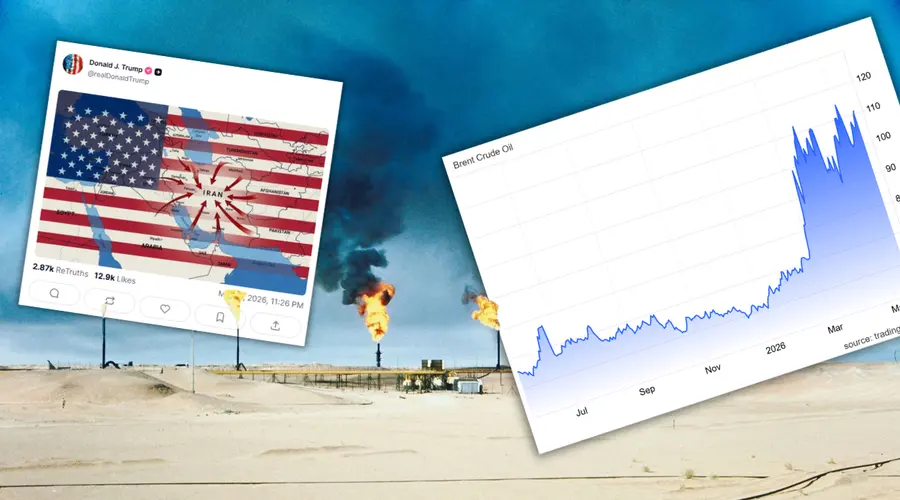
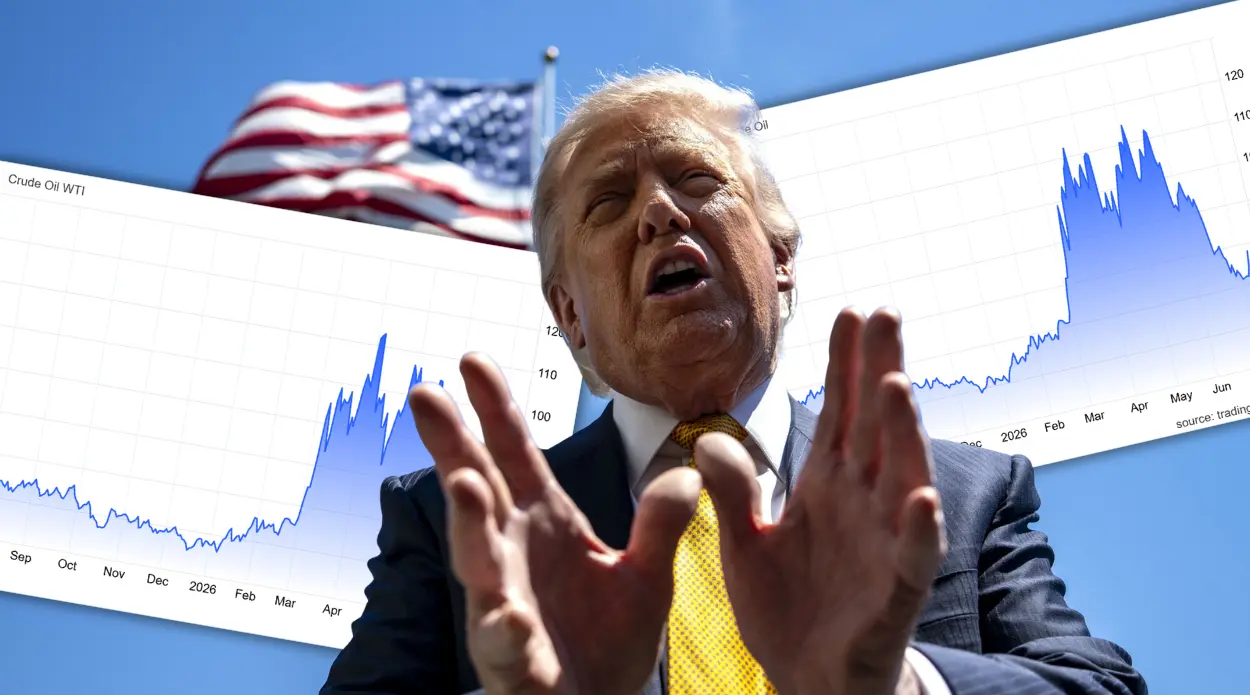
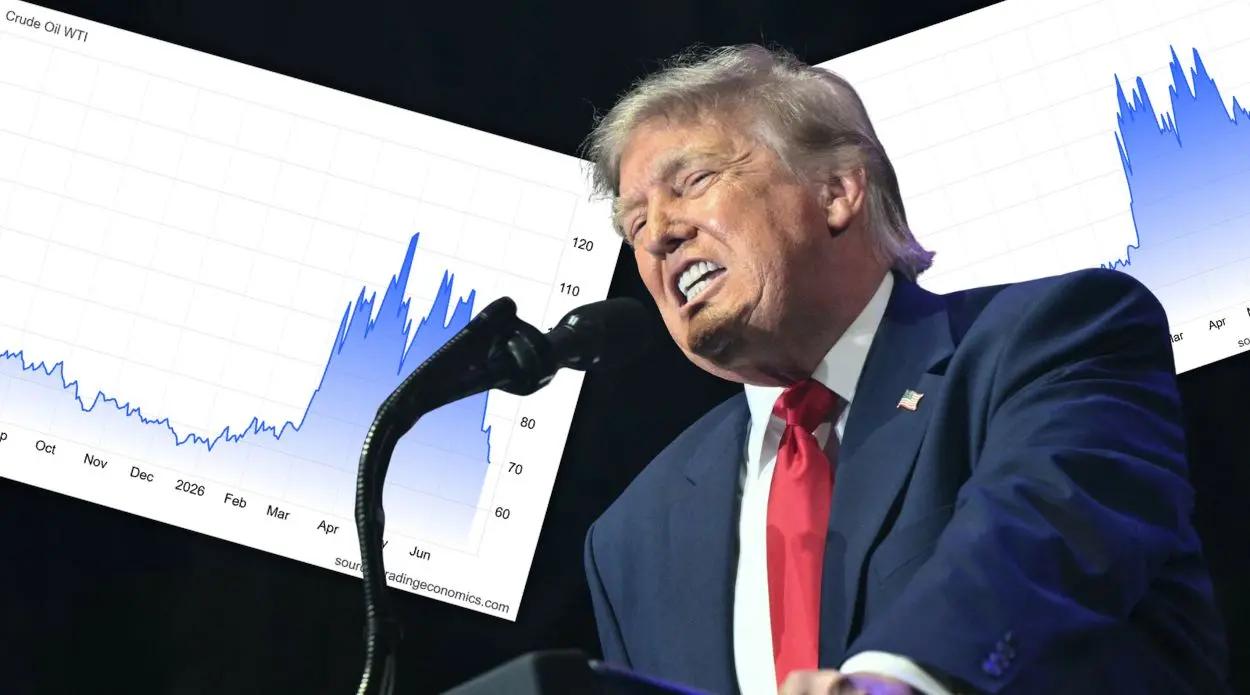
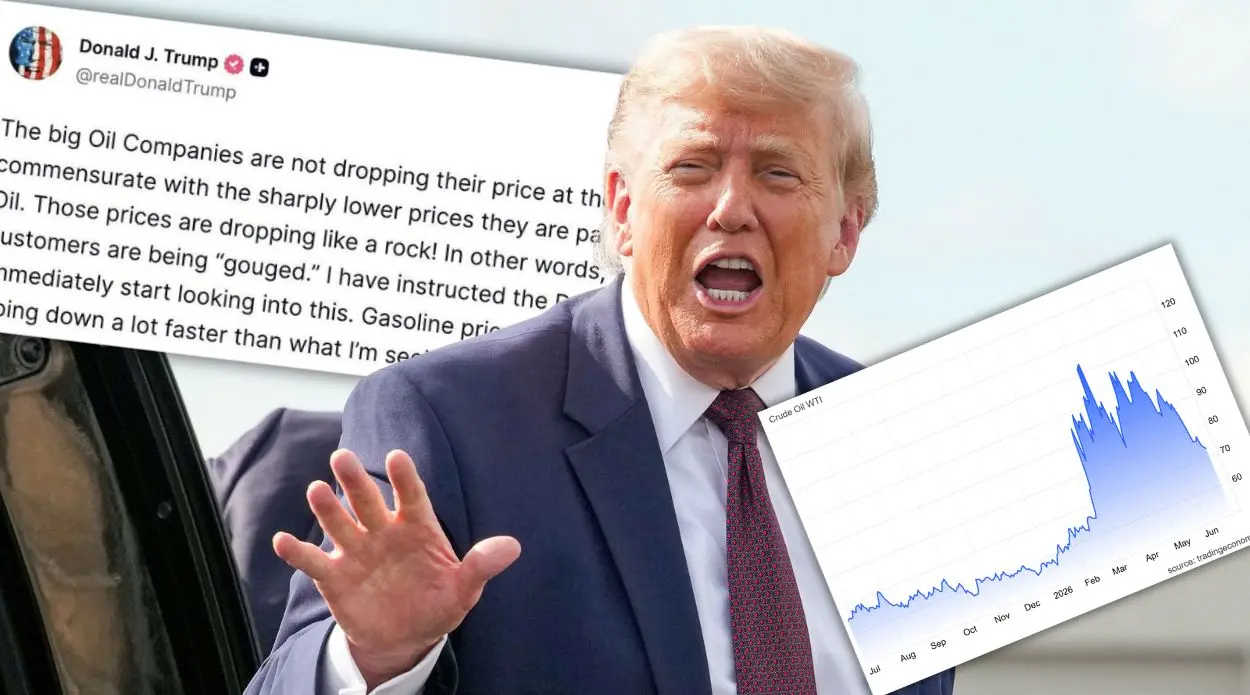
The unprecedented attack by Iran on a nuclear power plant in the United Arab Emirates caused significant unease on the exchange and commodity market. The reaction was almost immediate, causing Brent crude to rise by 1.51% to a level of 110.90 USD, while WTI crude rose by 1.91% to 107.75 USD – for WTI this is the highest level since April 30.
Investors trading June contracts expiring on Tuesday had to show steel nerves. It should be noted that both benchmarks (Brent and WTI) gained over 7% last week, driven by fading hope for a peace agreement in Iran that would stop attacks and ship seizures in the key Strait of Hormuz.
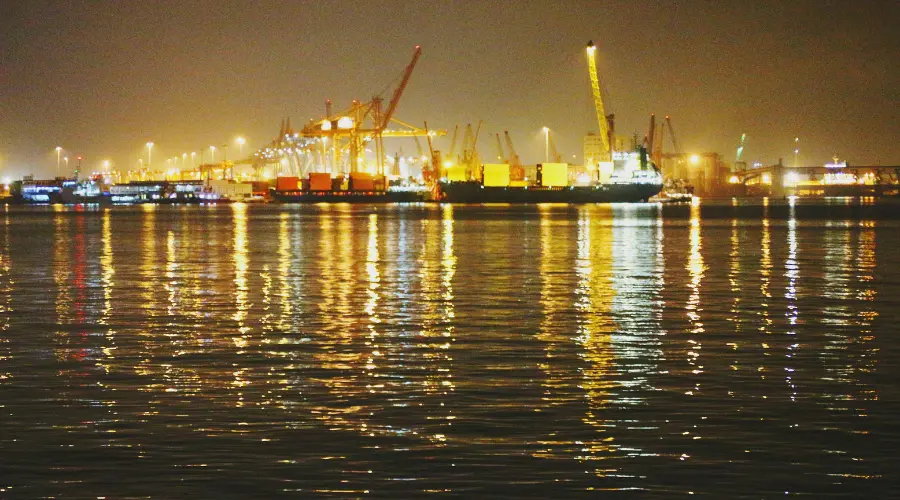
The immediate trigger was reports of drones that effectively struck the target, the Barakah nuclear power plant in the United Arab Emirates. UAE officials condemned the incident as an “act of terrorism” and emphasized their full right to a firm response. It is worth outlining the broader situational context, as the UAE on May 1 left OPEC and officially announced that they intend to drastically increase oil production. At the same time, the blockade of the Strait of Hormuz effectively paralyzes Iran’s oil industry, as clearly shown by satellite images of the loading terminal on Kharg Island.
Chart. Futures contract price for Brent crude.

Source: Trading Economics
Moreover, recent talks between Donald Trump and Chinese President Xi Jinping ended in failure. The Great Red Dragon, the largest oil importer, noted that it will not help resolve the conflict triggered by the U.S.–Israeli strike on Iran. Iranian drone attacks serve as a clear warning that renewed attacks on Tehran will trigger a cascade of precise retaliatory strikes on Gulf energy infrastructure.
Chart. Futures contract price for WTI (West Texas Intermediate).

Source: Trading Economics
See also: Trump in Beijing. Will Nvidia stocks avoid the rally? The giant’s CEO counts on a U.S.–China agreement
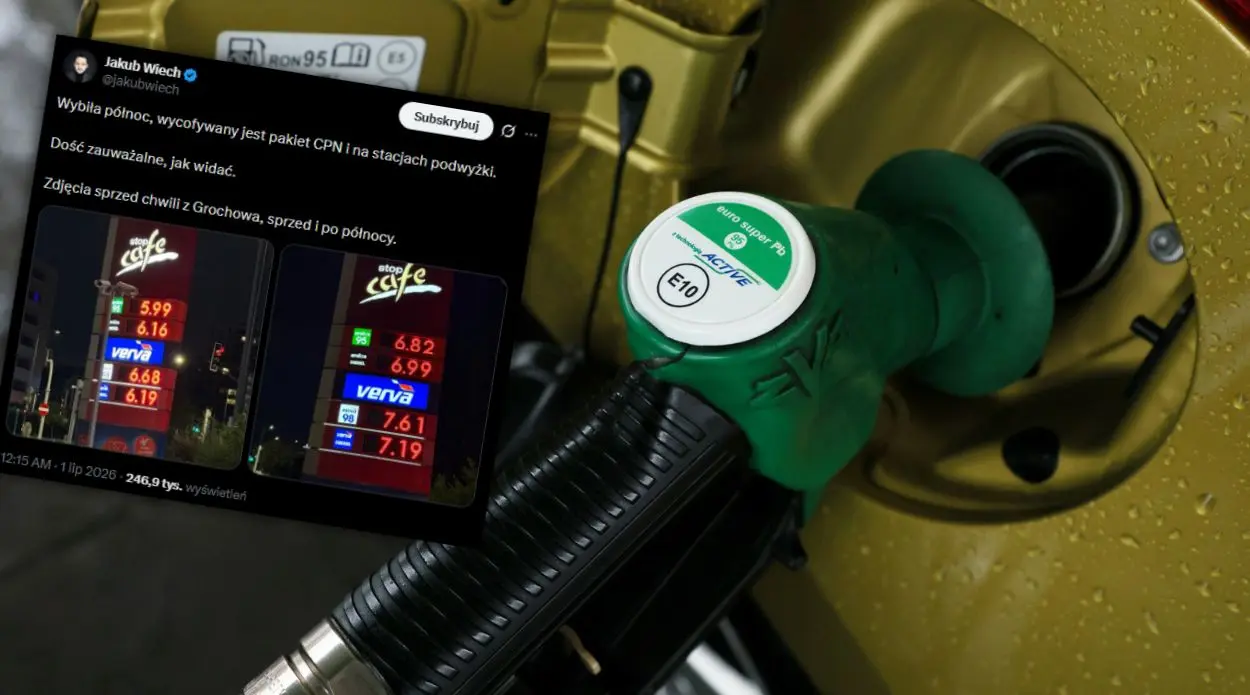
How are Polish fuel stations reacting?
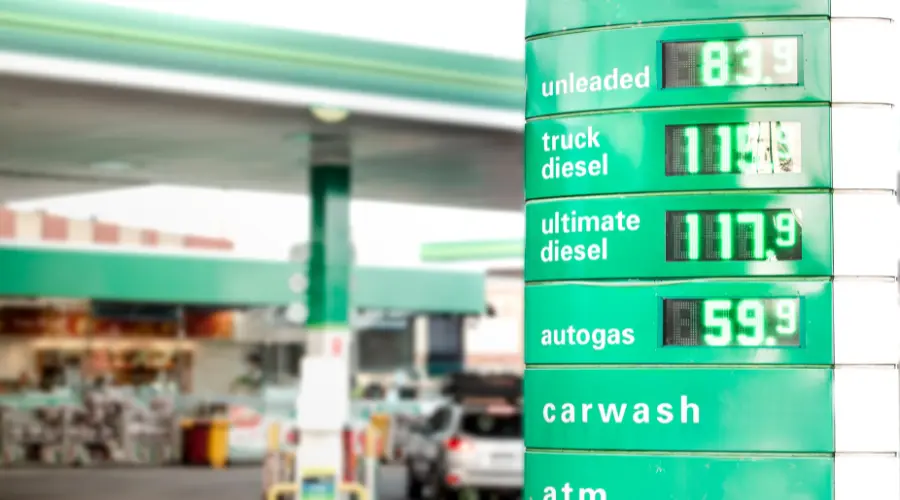
On Monday, May 18 the Ministry of Energy published new maximum fuel prices. A liter of popular 95 octane gasoline costs no more than 6.37 PLN, and 98 octane gasoline no more than 6.93 PLN. Diesel, meanwhile, cannot exceed a price of 6.82 PLN. This is the result of the CPN program, i.e., Lower Fuel Prices, which aims to protect Polish drivers (and the economy) from the catastrophic consequences of the war in Iran.
It should be noted that this program costs the state budget about 1.6 billion PLN per month, providing daily subsidies at a level of 52-53 million PLN. According to Minister Miłosz Motyka, the CPN program will remain in effect until the end of May.
If you think the current market chaos is the peak, Donald Trump intends to correct your mistake. The U.S. president decided not to extend the sanctions waiver, which after a one‑month extension still allowed some countries (including India) to buy Russian oil by sea.
Cutting off this Russian supply dramatically reduces global supply of the commodity. For this reason, markets are currently facing a powerful supply shock, and global stock indices must quickly adapt to a new reality where energy commodities become the most powerful speculative weapon.
See also: Oil above $150 per barrel. Experts paint bleak forecasts. Fuel prices enter a “radical scenario”
Source: Reuters.