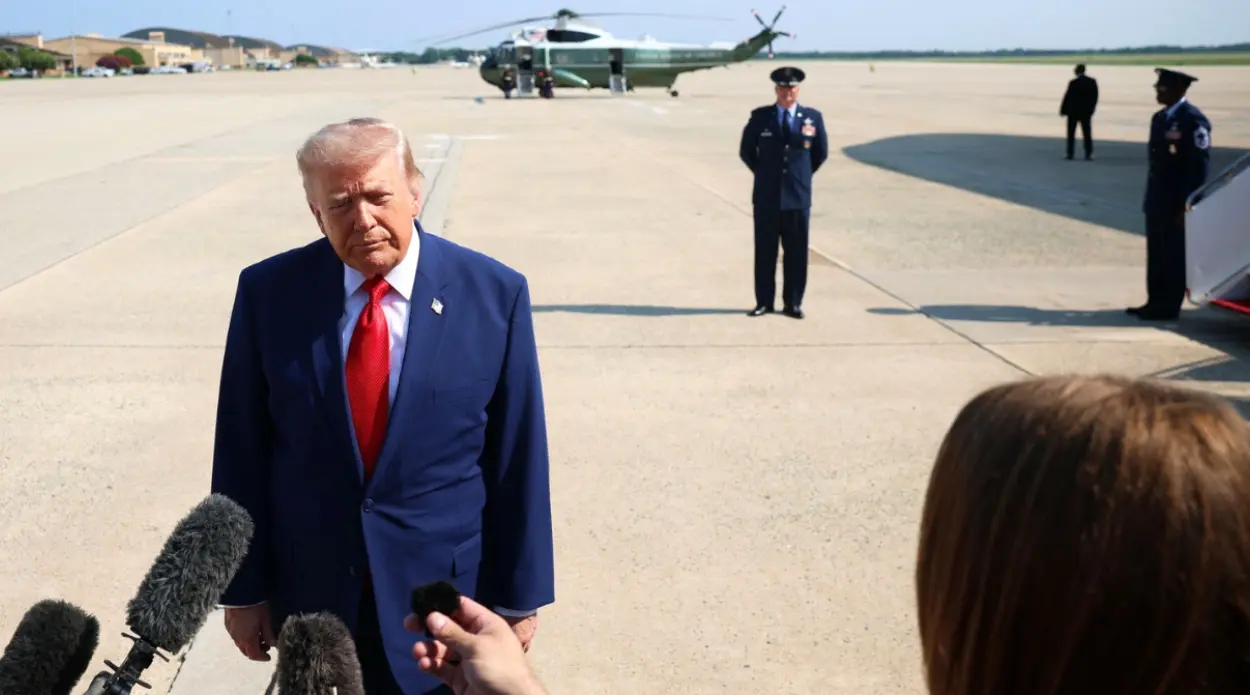
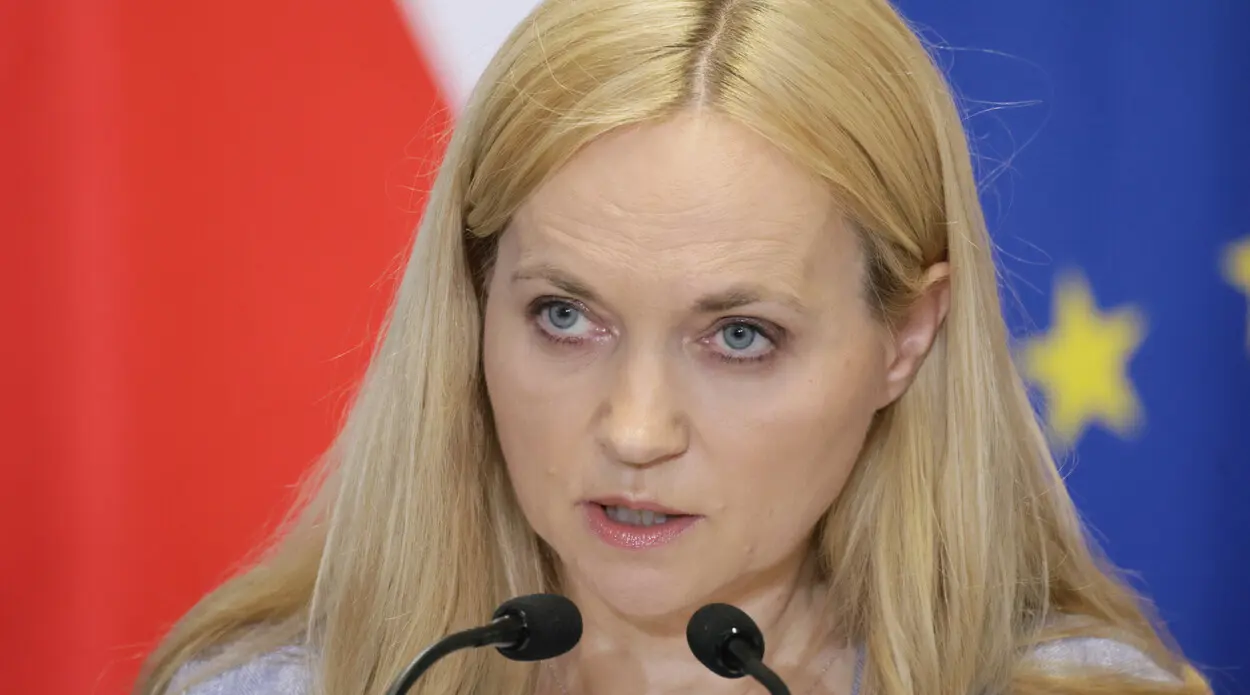
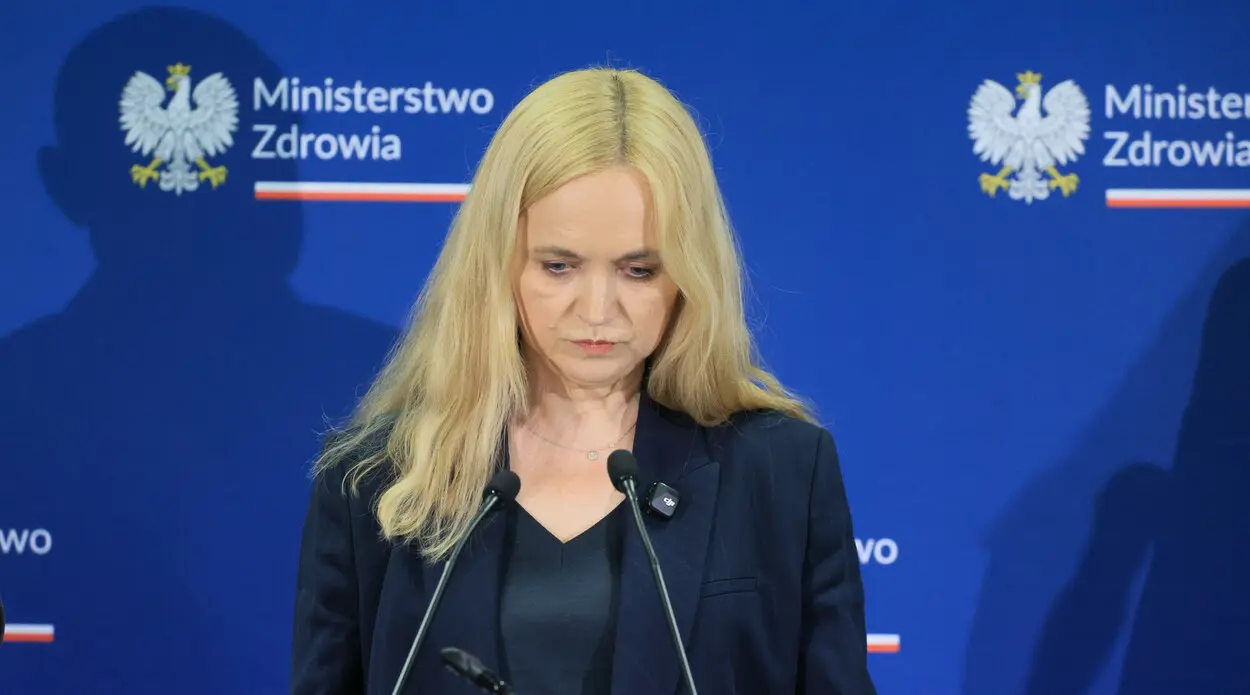
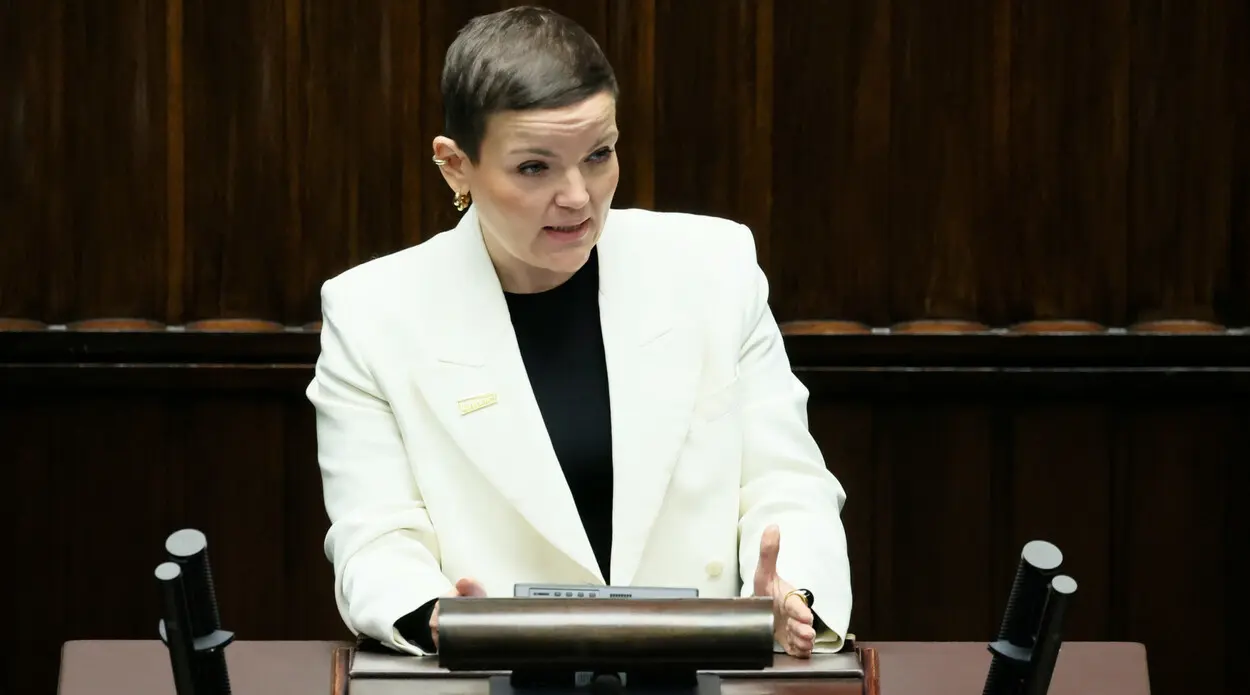
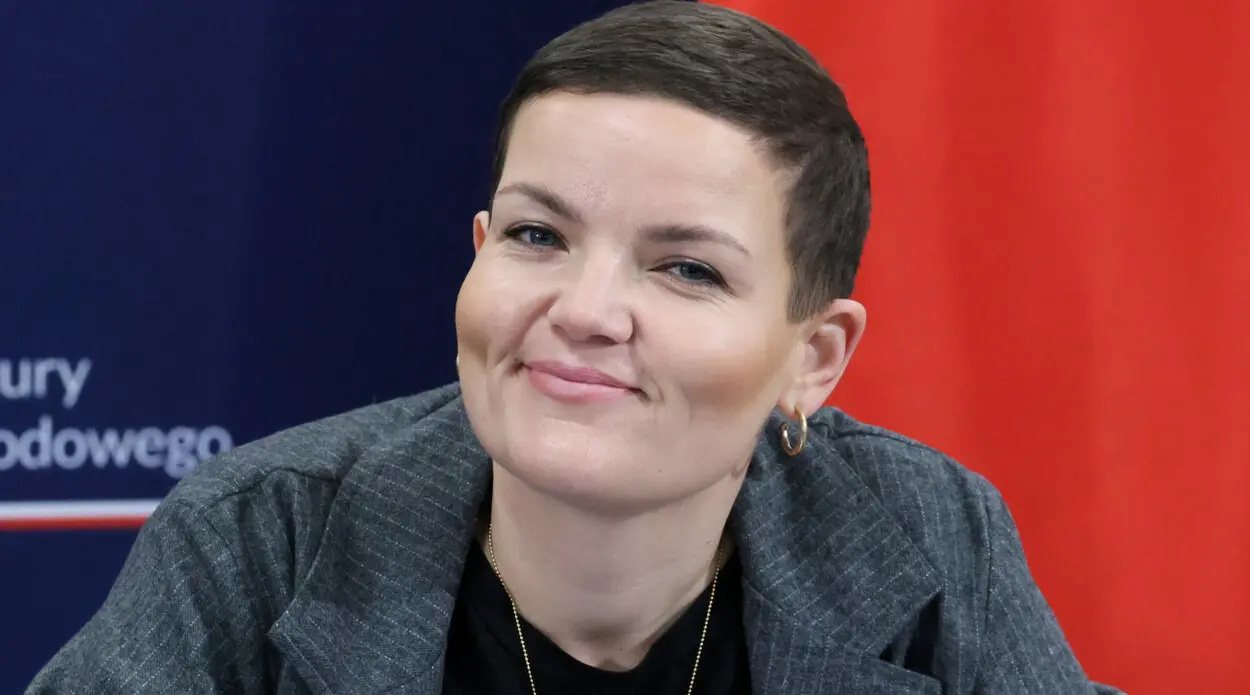
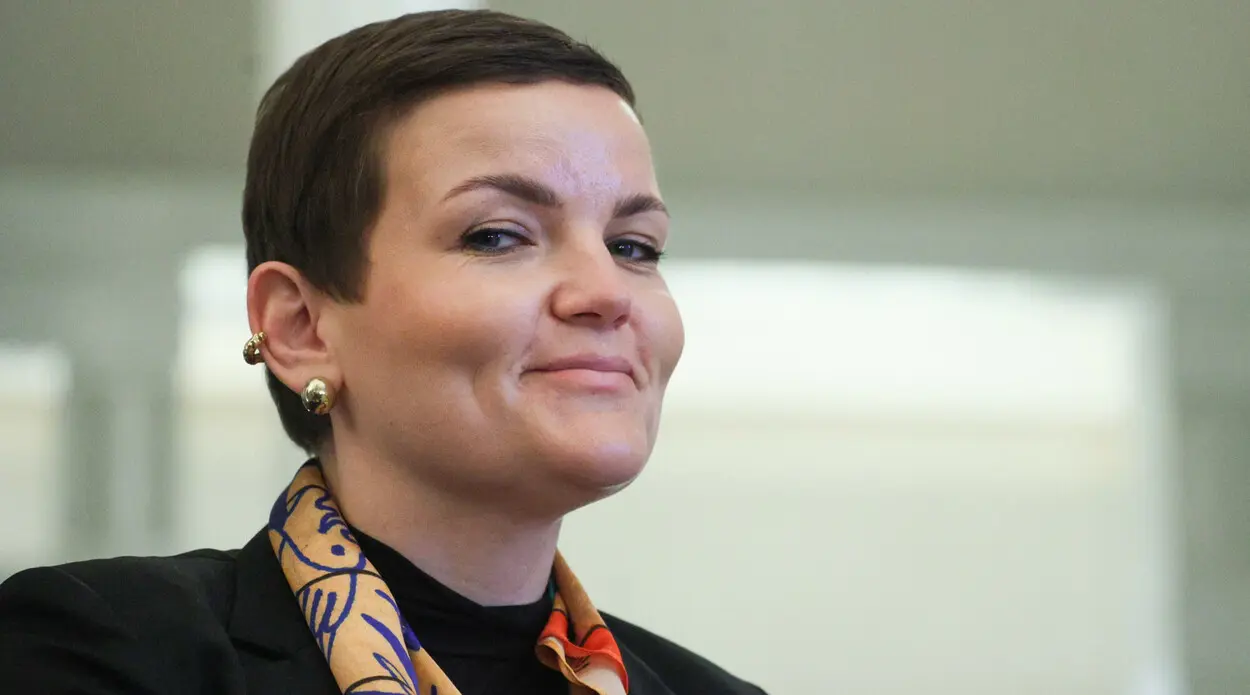
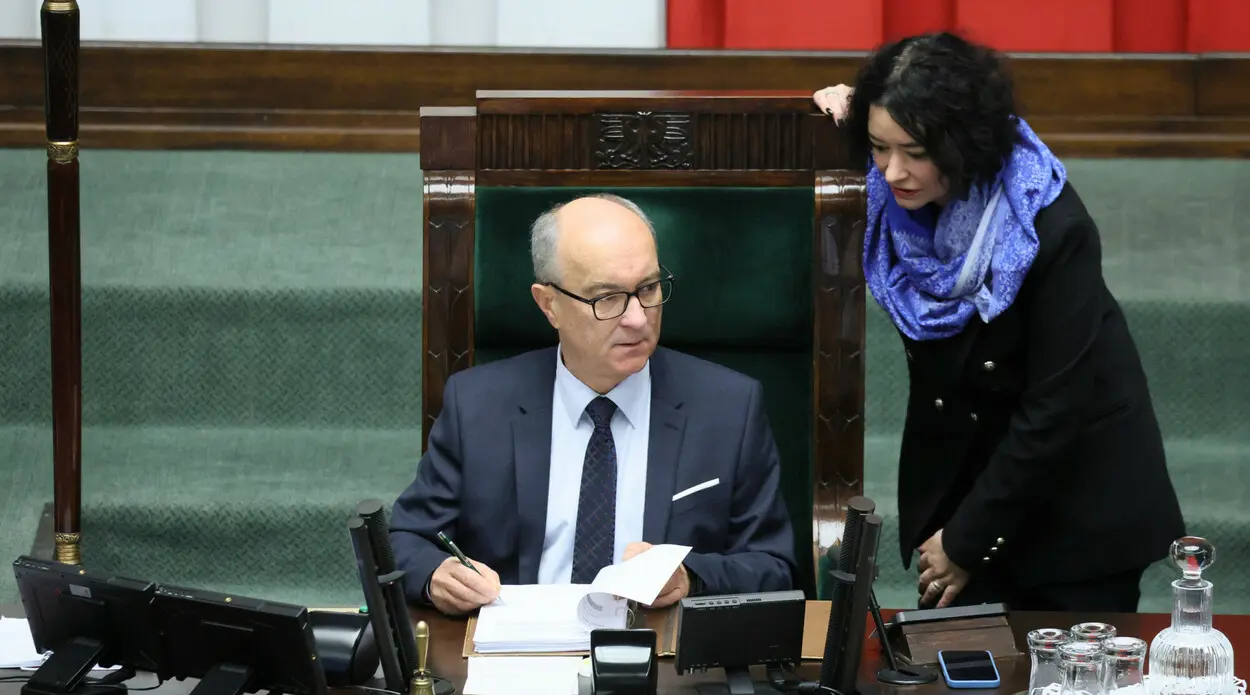
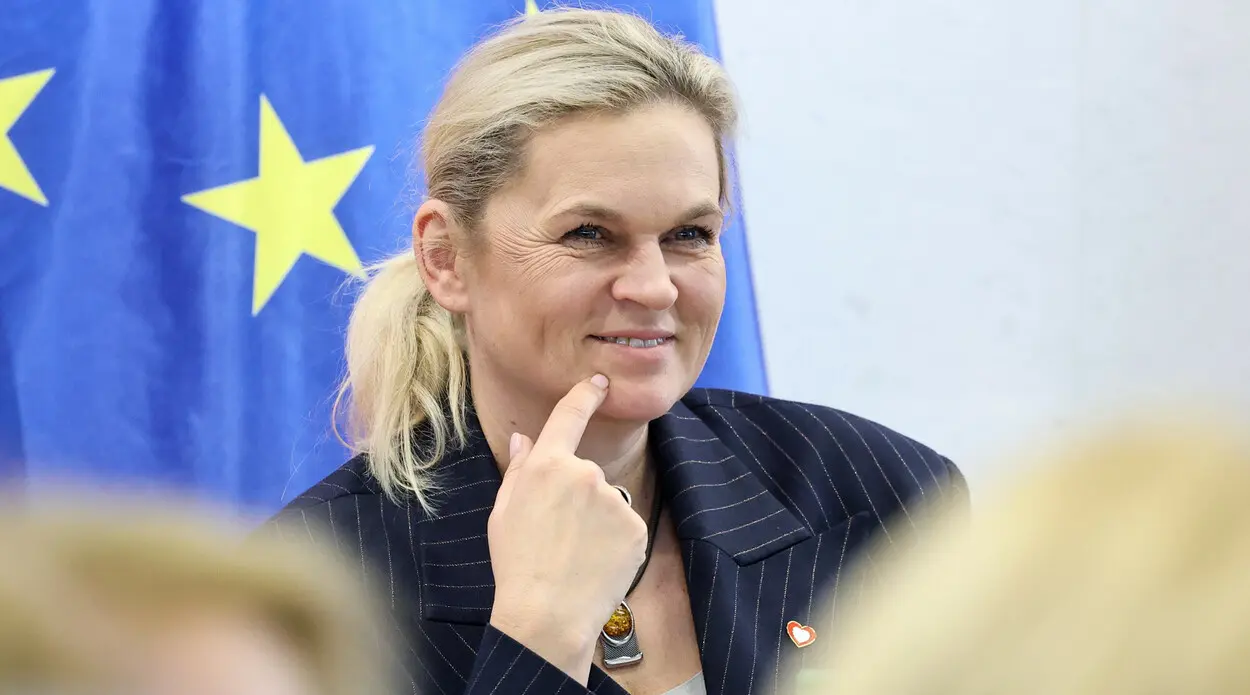
Barbara Nowacka, as the head of the education ministry, does everything to make her mark in the history of changes in Polish education. After eliminating some reading lists, including the canon of Polish literature, abolishing homework, and introducing health education (a subject that had not attracted much interest among most students, so the ministry changed the rules and from September 1, 2026 it will be compulsory – editorial note), the Minister of Education wants to ban children and youth from using mobile phones in schools, as well as social media.
Who will be affected by the bans?
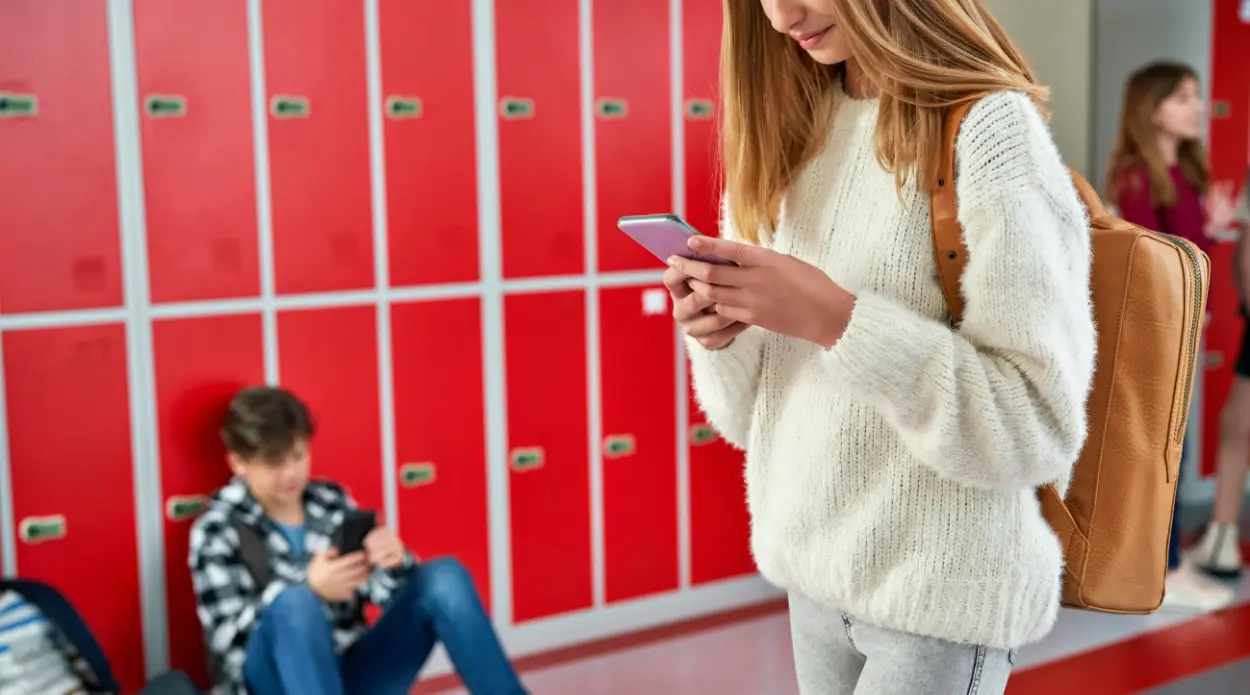
For now the Ministry of Education, specifically its head Barbara Nowacka, announces a ban on the use of mobile phones in primary schools. It is possible that in the future the ban will also extend to secondary schools and even higher education institutions. The ban – as Barbara Nowacka told TVN24 – will be introduced from September 1, 2026. According to the head of the ministry, preparations for implementing the new regulations have entered a decisive phase. The public consultations on the ban have already ended. The majority of comments – as Barbara Nowacka said – concern clarifying the regulations. As the Minister added, the draft bill introducing the ban will soon go before the Sejm for debate, which will ultimately decide whether to adopt or reject the proposed changes.
Prohibiting the use of mobile phones in schools is not the only restriction the Ministry of Education wants to introduce. The next is access to social media. The ministry wants them to be banned for people under 15 years old. According to the ministry head, work is underway to prepare a draft bill in such a way as to avoid the mistakes made when introducing similar regulations in other countries, such as Australia, where many parents of children oppose restrictions.
Social media will require identity verification
Along with the emerging information about restricting children's access to social media, public opinion immediately began to express the view that it would do nothing, because parents would create accounts for their children using their own data. However, this is not supposed to be that simple. The Ministry of Education, together with the Ministry of Digital Affairs, is working to ensure that access to social platforms is possible only after confirming the user's identity through the European digital identity wallet, something like the Polish mCitizen.
Representatives of the ministry say they are aware that despite such restrictions they will not be able to control everything, but as Barbara Nowacka admitted, even if the restriction affects 90% of young people, it can be considered a success for her ministry. As the ministry head said on TVN24 – the state has an obligation to prevent harmful phenomena. Among them are violence, pornography, and hate, which the Internet is saturated with. Analogous restrictions that have positively impacted society, which the ministry head mentioned, include limiting minors' access to alcohol. Of course, there are cases where minors consume it, but the phenomenon is marginal. The same Ministry of National Education expects this from the new regulations.
See more: Europe wants to cut children off from social media. What does this mean for Meta, TikTok, and Snapchat?