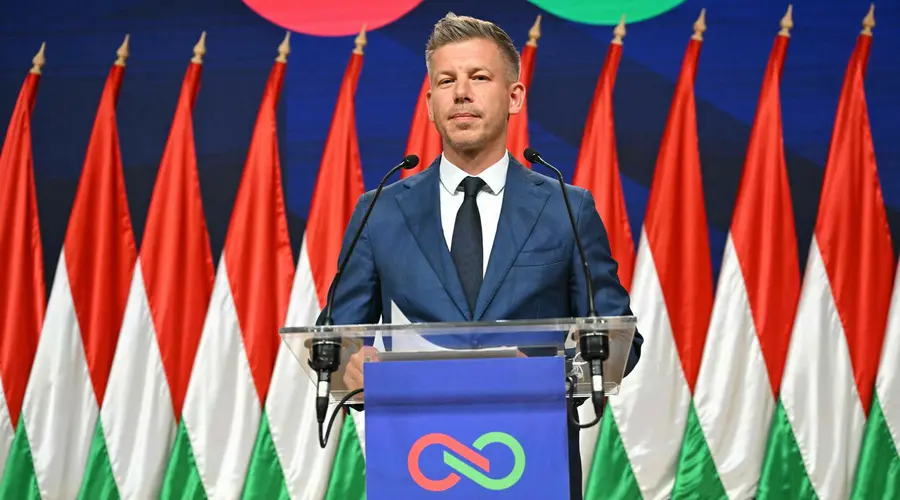
Through halting the transmission of news programs on public television, Peter Magyar – as he claims – wants to fight the propaganda funded by the state. The future prime minister accuses public media of operating under the diktat of former Hungarian premier Viktor Orbán.
Peter Magyar’s party was to be discriminated against in public media
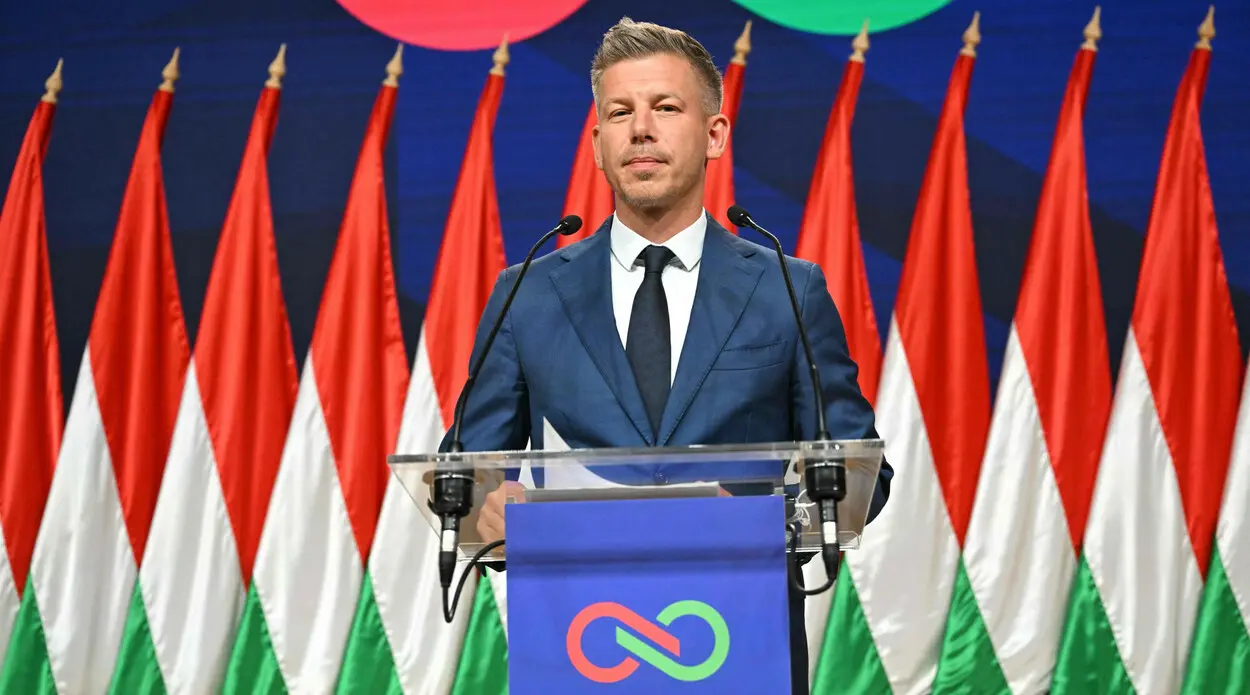
As indicated by TISZA’s response to the Telex portal’s question, the candidate for Hungarian prime minister Peter Magyar during the campaign was not to receive any invitation to public media.
This is to be just one of the examples that should indicate the discrimination of opposition politicians by public television and radio in Hungary.
According to Polsat News, even before the elections, the International Press Institute (IPI) highlighted in a report that the Hungarian media regulation system is the most politicized in the European Union. The editorial office added that it is estimated that after 16 years of Viktor Orbán’s rule, authorities directly or indirectly control 80% of the Hungarian media market.
Read also: Hungary sold state assets. “Real estate was sold together with the user”
Will the Office of Sovereignty Protection cease to exist?
After the Sunday elections, an appeal came from the international organization Human Rights Watch (HRW) for the new government to as soon as possible terminate the activities of the Office of Sovereignty Protection. The unit was established in 2023. Among its competences was the authority to conduct investigations against journalists. HRW emphasized that the office had repeatedly “harassed” civil society organizations that were critical of the government.
Did the example spill over from Poland?
The suspension of news broadcasts on public television also occurred in Poland after the 2023 elections. However, there are significant differences between what the new Hungarian government plans to do and what the Polish authorities did. In our country the signal cut occurred unexpectedly, without prior announcements, and the takeover of media control was carried out in a controversial manner, with some claiming it was even forceful. The court ultimately ruled that the takeover of TVP and Polskie Radio did not violate the law, but many lawyers still disagree, arguing that the law was breached and that the parliamentary resolution that led to the takeover of public media is unconstitutional and should be challenged.
See also: Orbán’s defeat hits the Hungarian forint’s course. “Another reason to extend the boom,” says a well-known bank