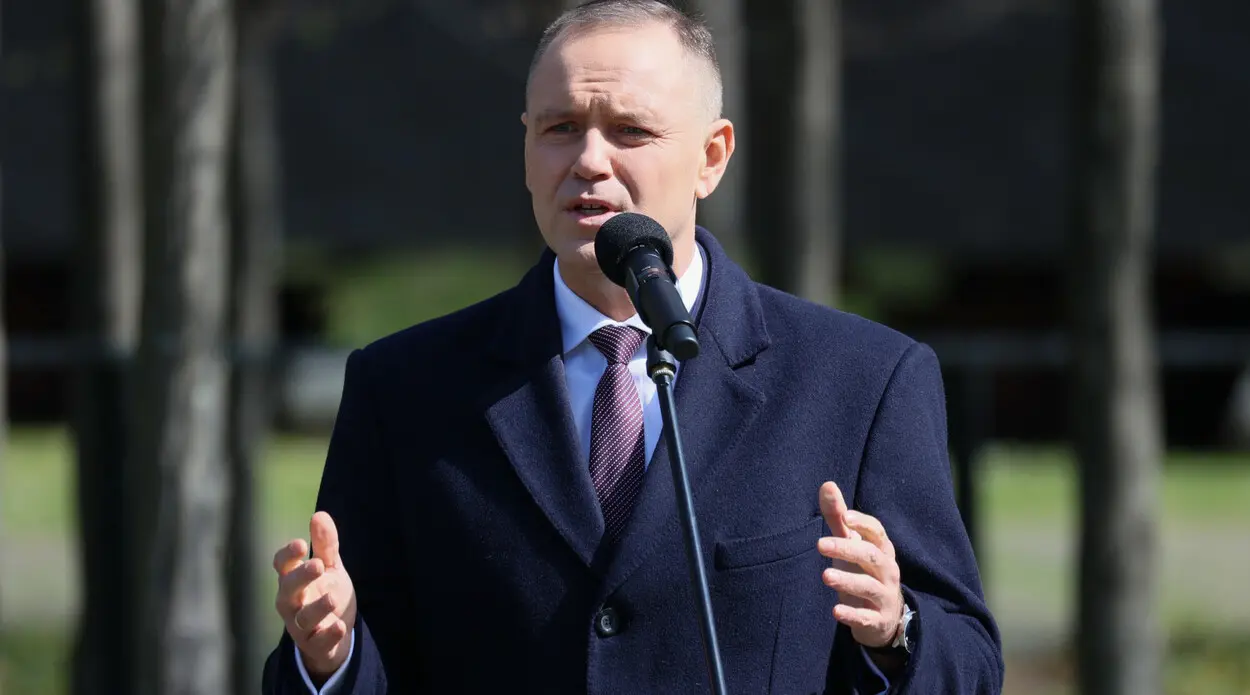
The atmosphere around doctors’ salaries has been heated by the Dawid Kacprzyk case, a physician and councilor of the Civic Coalition.
Financial eldorado in the ER, i.e. 1.6 million PLN a year
His 2025 asset declaration sparked a real storm in the media and on the internet. As the ER coordinator at the South Hospital, he worked a total of 3,976 hours.
Mathematics is absolute here. That means an average of 331 hours a month and almost 11 hours a day, regardless of Sundays or holidays. Result? An annual salary of about 1,6 million PLN.
From a professional perspective, such productivity raises serious doubts and logical questions about the limits of human endurance.
A doctor is not a machine. Although this case shows that a powerful capital can be built in public health, it became a spark for public opinion.
Although the scandal with Dawid Kacprzyk and the Warsaw South Hospital erupted over a week ago, the topic continues to appear in news and social media.
See also: Doctors’ salaries in Poland are getting higher. How far are they from Western medical wages?
From the national average to star contracts
Determining real incomes in Polish medicine is like trying to predict cryptocurrency rates.
Analysis shows that most doctors on permanent positions sign contracts amounting to between 15,000 and 20,000 PLN gross monthly. These are solid, market wages reflecting years of hard study.
The catch is that alongside standard positions, contracts exist that dwarf Silicon Valley managers’ salaries. The market has doctors who price their services at over 100,000 PLN per month.
Such a gap creates natural social frustration and amplifies the impression that the public financing system has become opaque.
Moreover, the Dawid Kacprzyk case confirms that lack of transparency in the remuneration system for doctors encourages the temptation to abuse the system and inflate unrealistic work hours to increase monthly salaries.
See also: Even doctors envy their salaries. The IT industry is booming. Expert: “Work is still increasing, especially for AI and cybersecurity specialists.”
Poles demand the cards on the table
In response to these controversies, the institute UCE Research on behalf of Onet asked Poles directly: “Should doctors’ salaries funded from public funds be transparent?”
The respondents’ answer was a powerful thump. Almost two-thirds of those surveyed, as much as 66.2%, support full transparency of all doctors’ earnings on public contracts.
For society, the matter is simple. If salaries come from taxpayers’ contributions, transparency should be a standard, not a privilege.
Additionally, 14.8% of respondents believe that transparency should at least cover people in managerial positions. Together, this amounts to over 80% of citizens demanding insight into medical portfolios.
Interestingly, proponents of maintaining the status quo found themselves in a deep defense. Only 7% opposed the declassification of salaries, and 12% had no opinion on the matter. In an era of digitization, where technology allows instant data flow, hiding salaries becomes anachronistic.
The results of this poll are a clear signal for decision-makers. Financial transparency in the public sector is a trend that can no longer be stopped.
Doctors, instead of avoiding the debate, will have to face the fact that their earnings have ceased to be a private matter and have become part of the public discussion on the efficiency of the entire system.
See also: A young doctor from KO earned 1.6 million PLN in a year! The case under scrutiny by several control teams.
Source: Onet.