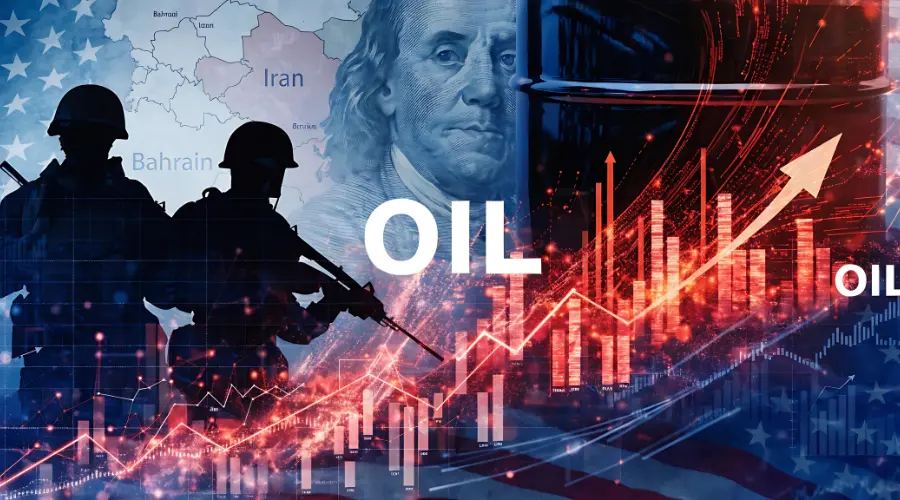
The first two items – especially in the second half of the week – generally supported demand with hopes not only for the continuation of a ceasefire but also for signals of an agreement that would unlock shipping in the Strait of Hormuz and lower oil prices, thereby reducing future inflationary tensions.
In the tech sector, the game played out in the context of mixed market reactions to Nvidia’s quarterly results, which were read through the lens of the tech bull market.
Dow Jones sets a new ATH!
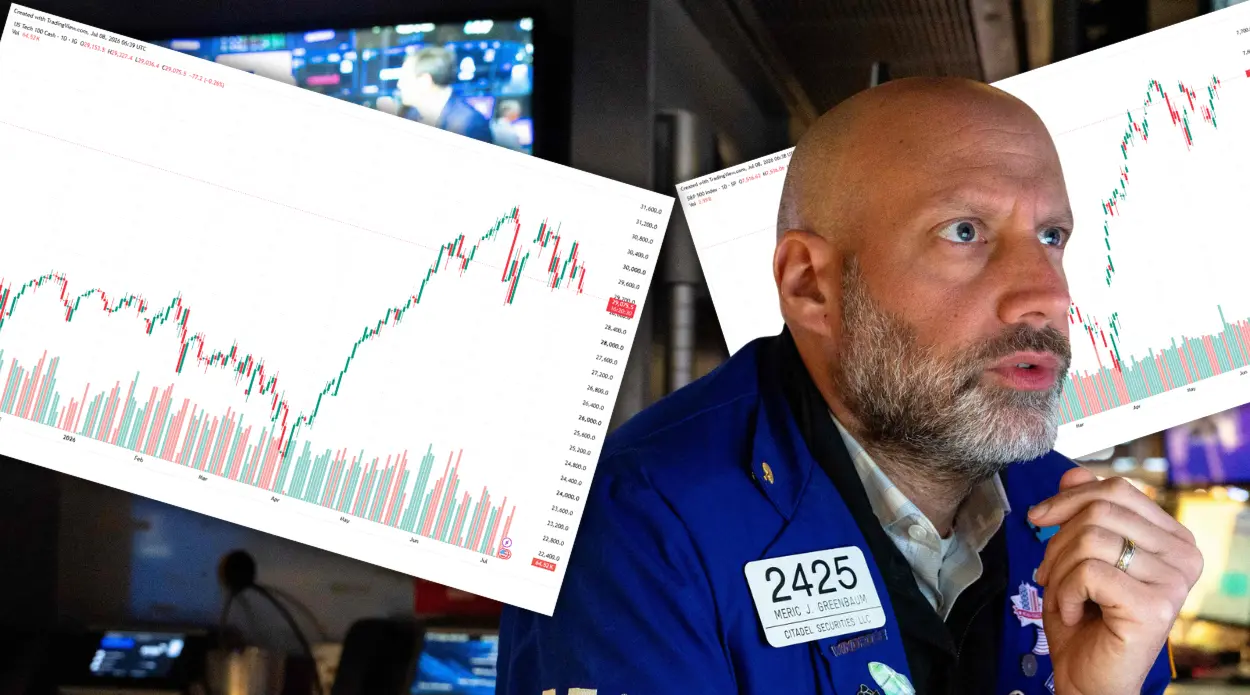
The balance was solid gains in the major averages, of which the indices most sensitive to the Middle East situation performed relatively better. Hence strong rebounds in Europe and Asia, but there is also no doubt that Wall Street sought gains that resulted in the first new ATH since February of the current year drawn by the DJIA and an extension of the rally by the S&P500 for the eighth week in a row.
Market statisticians calculated that the S&P500 last recorded a similar series of rising weeks in November and December 2023, so last week’s optimism had to be built on variables that were important in the previous seven weeks.
In essence, Nvidia’s financial results – the last reporting from the Magnificent Seven basket – in a sense closed the earnings season, which was the most important event in the last few weeks. The wave of gains that began in mid‑April in the context of hopes for the end of the Middle East war smoothly transitioned into a wave of gains built on market reactions to company results. For Wall Street, which spread the atmosphere worldwide, the season could not have been much better.
84% of companies beat expectations
Looking only at the S&P500, 84 percent of companies reported results better than expected, clearly beating the recent average of 76 percent. Earnings growth was equally impressive at 28 percent, translating into the best quarter for the index in several years. In the outlined power structure, it is fully understandable that markets were able to ignore rising inflation and alarming debt yield increases.
Paradoxically, such excellent results also lowered market valuations. What seemed expensive before the earnings season turned out to be cheaper. The S&P500 is now trading with a forward P/E of about 21, meaning a decline from the 22 it traded at at the start of the year. In other words, in the finished week, demand was reasonably focused on hard data that allowed ignoring variables that surfaced in the current information noise.
8 perfect weeks for the S&P500
A perfect quarter for companies backed by eight perfect weeks for the S&P500 hides the risk of a correction, but for now it yields rather higher market forecasts for the next few months. Only in the case of the S&P500, the last approach to the psychological barrier of 7500 points before the end of the first half of the year, translates into the first recommendations of U.S. analysts to position at 8000 points by the end of 2026.
The scenario may appear optimistic – especially in the context of the recent rebound in inflation and expected credit price hikes by central banks, led by the Federal Reserve – but for now the S&P500’s year‑to‑date gain is just over 9 percent. In that view, a rise to 8000 points would give a gain of nearly 17 percent, which would be better than the historical average.
On the other hand, a rise from the current 7500 to the 8000 level requires a move of just under 7 percent, which is not a particularly difficult task over 7 months even if a classic mid‑year correction were to appear in the markets shortly after, played out in the context of the “Sell in May” recommendation. The problem in this optimistic scenario is the fact that markets have priced in perfect scenarios – further earnings growth, the end of the war, lower oil prices, and lower inflation – which increases the risk of a stronger reaction to a surprise or a banal profit taking.