September doesn’t ask for your account balance
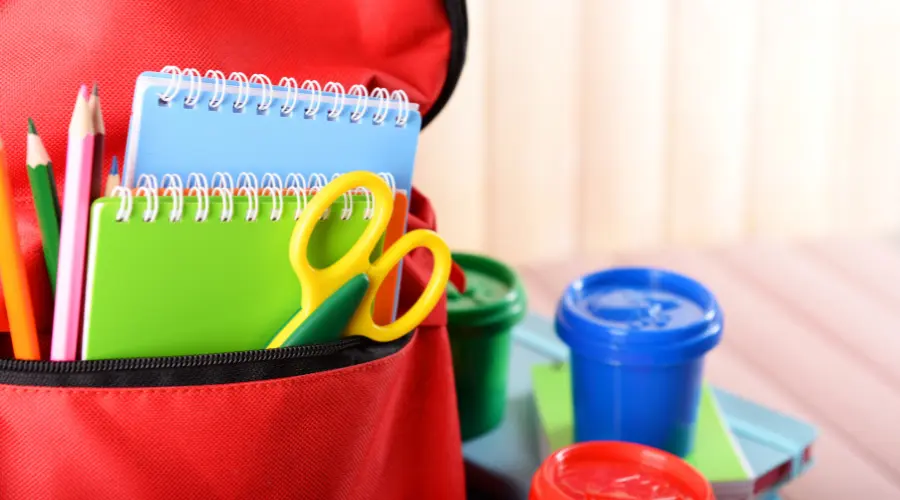
The Good Start program has a simple structure: 300 PLN once a year for each child attending school. The money can go toward textbooks, notebooks, equipment, and other learning necessities. It sounds like a formality. But for many families, September is not a formality, but a logistical test: the shopping list grows faster than the home budget can accommodate.
The benefit covers students up to age 20, and for children with a certified disability – up to age 24. The birth year matters, not just the birth date in everyday sense. That’s why students in the final years of technical schools and high schools, as well as students in post‑secondary schools, can still benefit from the program, even if they turned 20 or 24 before the school year began.
There are also limits. 300-plus does not apply to children in kindergarten or to students. This is important because continuing education alone is not enough. The program concerns school, but not every stage of learning.
One application, several pitfalls
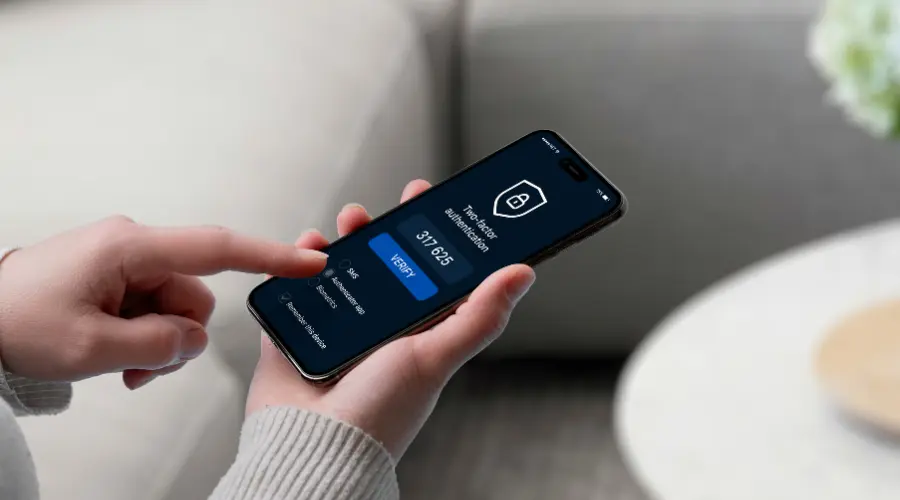
The path to the money goes exclusively online. Parents and guardians can submit an application via the mZUS app, the eZUS platform, electronic banking, or the Emp@tia portal. No paper. No queues. There is, however, responsibility for data.
The simplest mistake can delay the simplest benefit. The child’s PESEL, the school’s name and address, the bank account number – these fields must be checked before submitting the application, not after the fact. ZUS pays the money only to the specified account, so a typo in the account number is not trivial. It is a real obstacle between decision and transfer.
The scale of the program shows that it is not niche support. Last year, over 3.3 million applications concerning nearly 4.9 million children reached ZUS. The total payout exceeded 1.4 billion PLN. In other words: 300-plus became a regular part of the school season, as predictable as buying notebooks – provided the parent does not miss the deadline.
Foreigners can also benefit, but the rules are stricter
The program also covers some foreigners, but not under identical conditions. A foreigner from outside the EU, EFTA, and the UK, as well as a Ukrainian citizen with a UKR status who lives with a child in Poland, gains the right to the benefit if they were actively employed in the month preceding the application. This filter has practical significance: simply living with a child in Poland does not close the entire procedure yet.
There are exceptions to this rule. Those who do not need to meet the employment activity condition are those applying for a child who is a Polish citizen, raising a child with a disability up to age 16, or a child over 16 with a moderate or significant disability. The exemption also covers guardians of children designated by the authorities of the country of origin and people studying or covered by the self‑employment program, if they submit the application themselves.
Documentation is also required. Applicants from these groups must provide data regarding the border crossing document and the document confirming the legality of residence in Poland – both theirs and the child’s. There is no room for guessing here.
The best time to act is simple: now. Check the data, choose an electronic channel, and submit the application before the end of August if you want the 300 PLN to reach the account by September 30. And if you know a parent who postpones school formalities, forward them this information before the calendar does what it always does: speeds up.