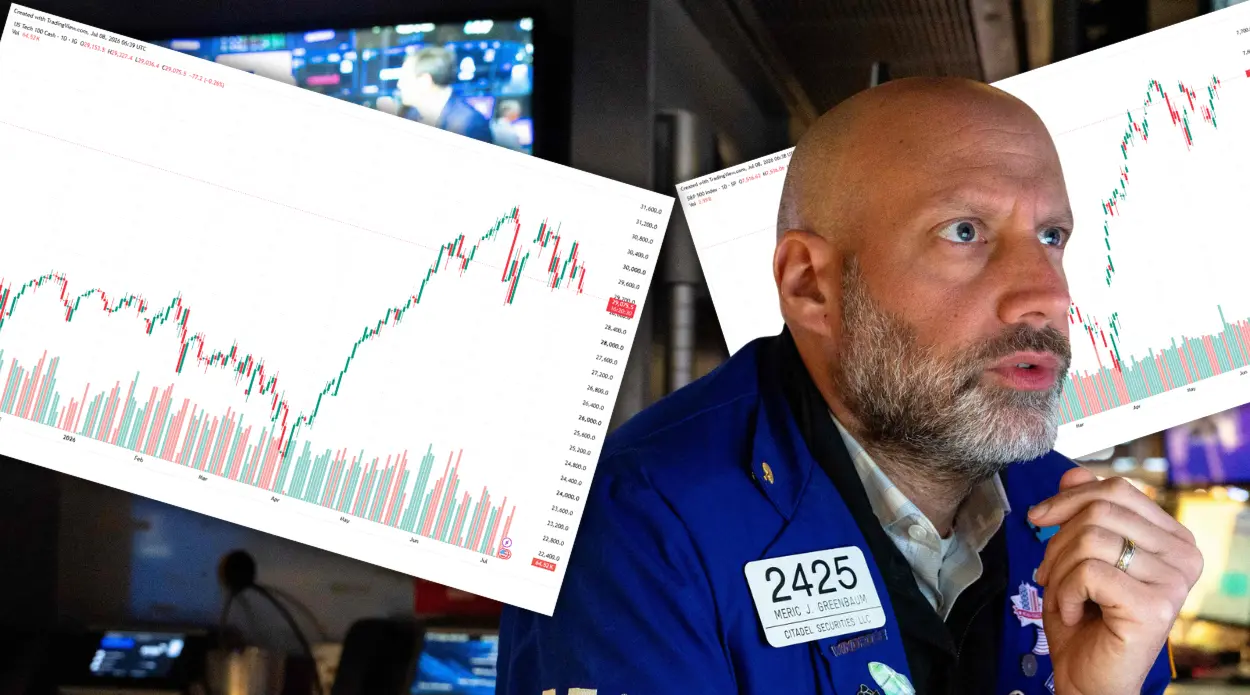
Although the summer season is not favorable for Wall Street (especially in the period before the fall elections that replenish Congress), it can be an optimistic period for the Warsaw Stock Exchange.
Primarily, the WIG in recent quarters has shown a fairly limited correlation with investor sentiment in the USA and appears more "dependent" on the economic conditions of Poland, the outlook of the NBP policy, and the global health of EM markets, the dollar index and treasuries.
The dynamics from all key drivers for investors along the Vistula remain in the pro‑growth phase of the cycle, although stock indices and "destined" shares are subject to volatility caused by changes in investor sentiment.
Polish interest rates are unlikely to rise in a foreseeable future – energy prices create an "external supply shock", clearly distinguishing the inflation spike from the 2022‑2023 period.
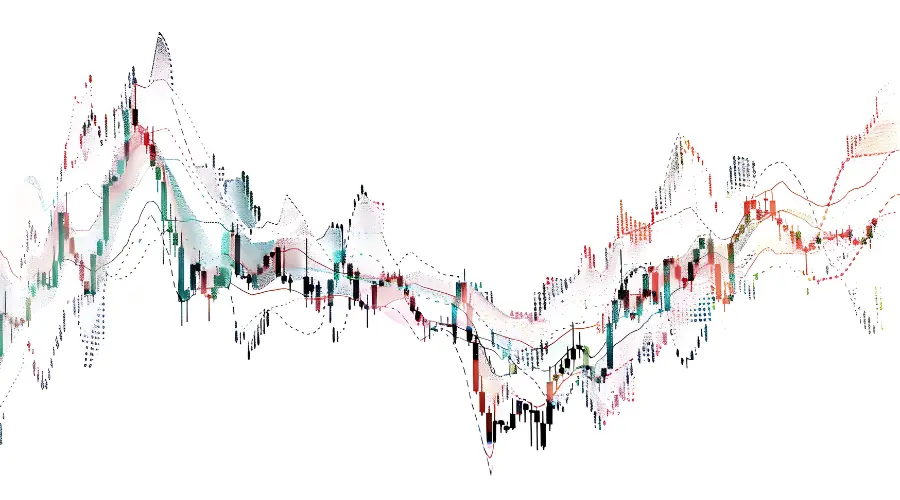
Quotes for mWIG40 and sWIG80
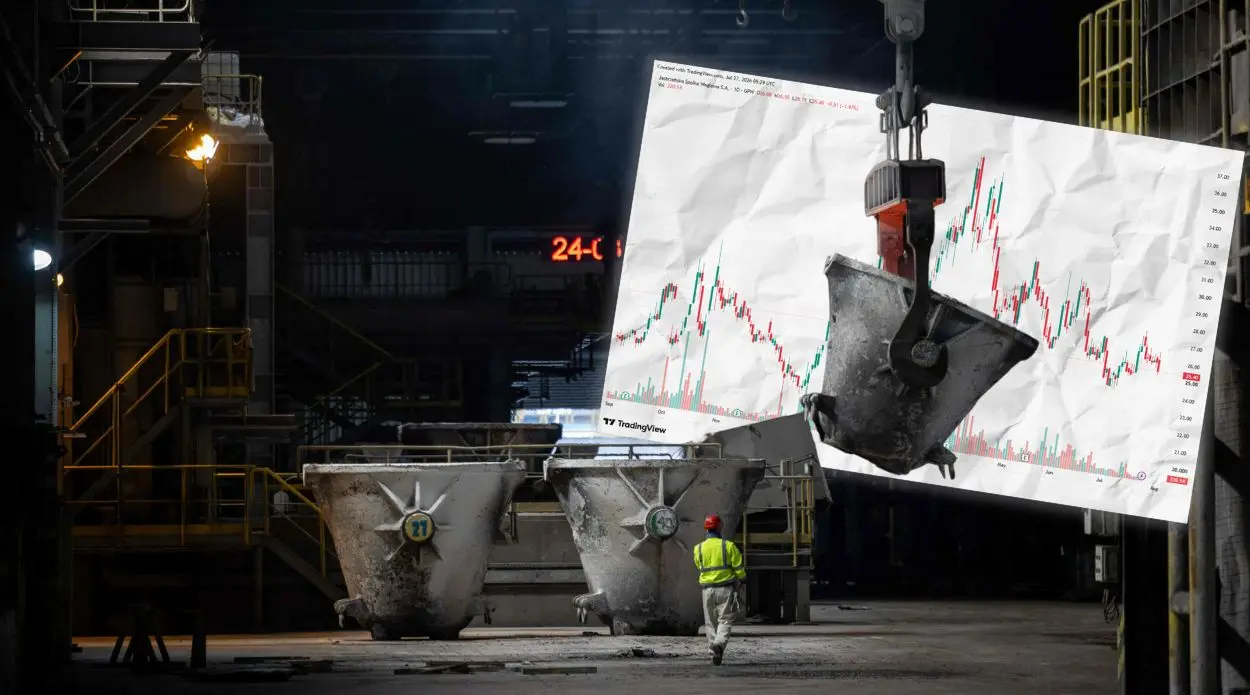
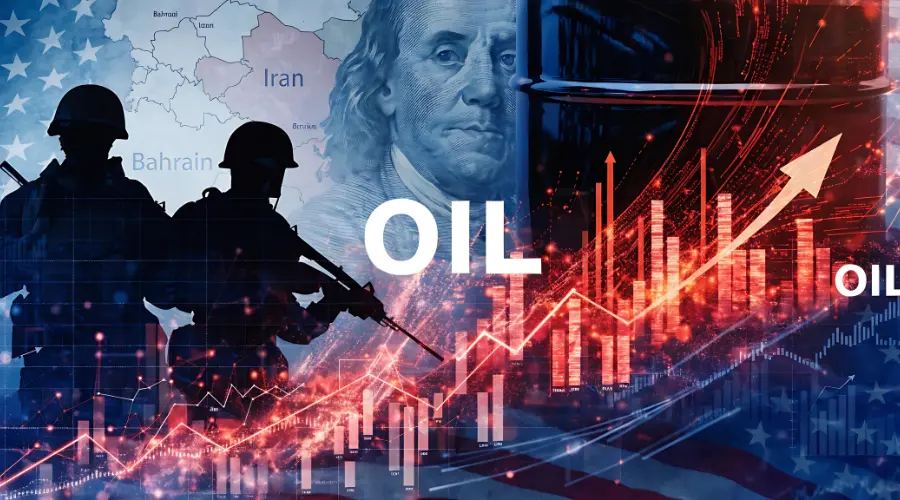
Importantly, the GPW could be "susceptible" to any positive information from U.S.–Iran negotiations and energy carrier prices, which, if a normalisation of the Middle East conflict were to occur, could lead to a surge in interest in emerging markets, and consequently exposure to Polish indices – especially mWIG40 and sWIG80, as such activity would likely trigger a mass profit‑taking on Orlen shares (and, by extension, possibly WIG20), which have risen to a record level above 137 PLN per share.
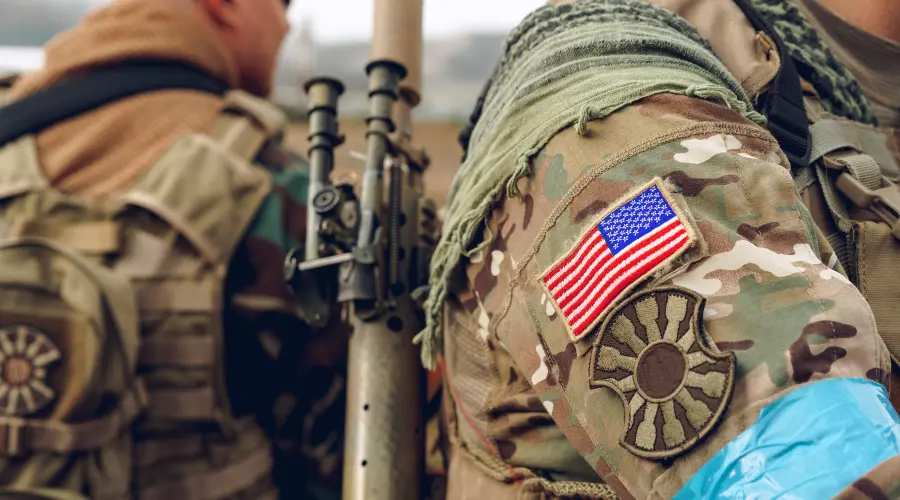
Similarly, any information about increased U.S. military presence in Poland could be received exceptionally positively by the markets.
This scenario does not seem impossible today, if one looks at Washington‑Warsaw relations and the recent reduction of military presence in Germany.
Americans may be interested in shifting the centre of gravity slightly to the East, emphasizing their negotiating position relative to Western Europe.
The midterm election outcome could be neutral for Poland in the worst case, and in the best case even viewed optimistically as a signal of increased probability of better relations between the USA and the Old Continent.
Negotiation dynamics between Washington and Tehran have accelerated
The negotiation dynamics between Washington and Tehran have accelerated in recent days, and the improved offer from Iran that the USA received yesterday may suggest that the country is willing to end the conflict before summer, accepting less attractive peace terms amid an ongoing blockade by the US Navy.
Thus, the summer period does not have to be weak for the GPW, even if U.S. indices are over‑bought and investors pay "steeply" for shares in American giants.
Moreover, high valuations and the structural imbalance of American company capitalisation compared to the "rest of the world" can support systemic capital flows out of the USA and into dynamically growing firms in Europe – also into Poland.
While "sell in May and go away" seems to pose real risk for U.S. indices, for the GPW the situation is more complex, and the fundamentals over the next few months – less seasonalised, look favourable – especially for medium and small‑cap indices.