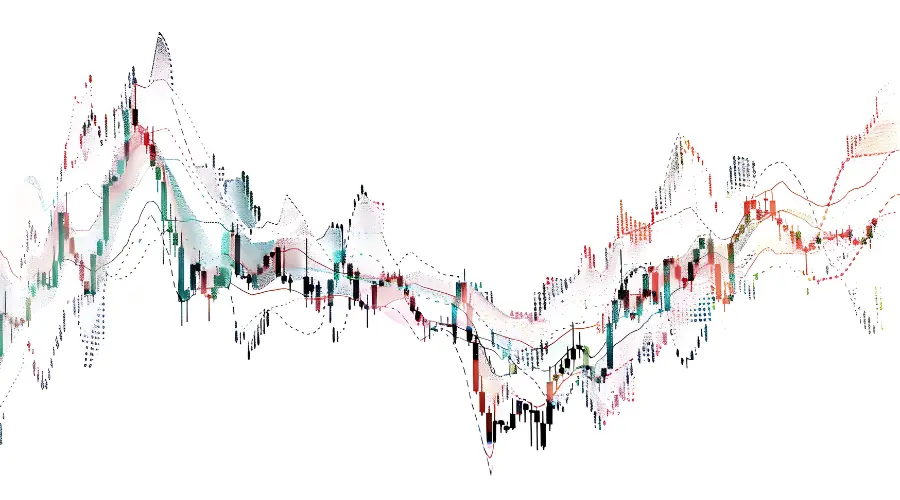
USD/JPY Rate
The USD/JPY rate hovering around 157.76 is now only a façade of calm, beneath which lies deep market uncertainty. The risk‑reversal indicator for a one‑month period plunged to -1.49, a clear declaration that option traders value protection against a stronger yen far more than bets on further dollar gains.
Although implied volatility fell to 7.39%, suggesting a temporary easing of sentiment, the strong risk‑reversal bias toward USD/JPY put options shows that institutional investors are highly prepared for another currency intervention or a hawkish shift in monetary policy.
Meanwhile, we observe monumental reshuffling in Japanese fund portfolios, which in the first quarter of the year shed nearly 30 billion dollars of U.S. debt. This is the strongest wave of U.S. Treasury bond sell‑offs since 2026, forced by a drastic change in expectations about the Federal Reserve.
Oil Price Rise and Inflation Return Risk
Rising oil prices and the risk of inflation returning have caused Japanese capital, which had been financing the U.S. deficit, to flee the market in fear of further yield increases overseas. This flight from the dollar toward liquidity creates ideal conditions for a stronger yen, provided the right impulse comes from the domestic regulator.
This impulse is already almost fully priced into the futures market for interest rates. The swap market, with a probability exceeding 73%, assumes that the Bank of Japan will raise rates again at its June meeting, pushing the rate to around 0.91%. By the end of 2026, expectations go even further, pointing to a target rate of about 1.18%. With such a tightening path outlined, the yen stops being merely a tool for carry‑trade transactions and becomes a currency with real appreciation potential.
If the Bank of Japan delivers on these hawkish expectations, the current resistance at 158.00 may prove impassable, and bears on the USD/JPY pair could take control of the market for longer. It is also worth watching inflation. Until the Bank of Japan adopts a clear hawkish stance and real interest rates in Japan remain negative, the yen may stay structurally weak, and the Ministry of Finance will be forced into further interventions.