Oil falls, gold rises – markets react to de-escalation and a weaker dollar
For investors this does not, however, mean a complete end to the crisis. The U.S. still maintains a blockade of ships entering and leaving Iranian ports, and Tehran has not confirmed a clear breakthrough in talks. As a result, the market values not so much a lasting agreement as a temporary reduction in the premium for geopolitical risk.
>> Read also: Trump took a step back. Is the war in Iran coming to an end?
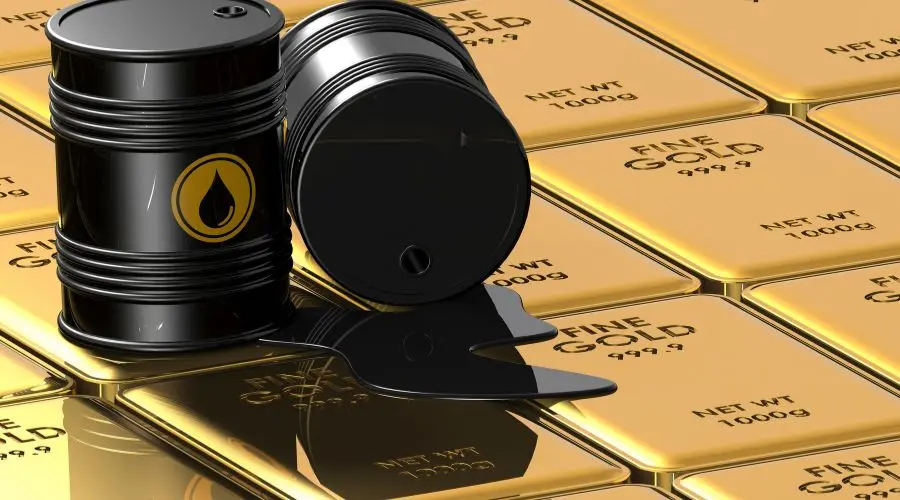
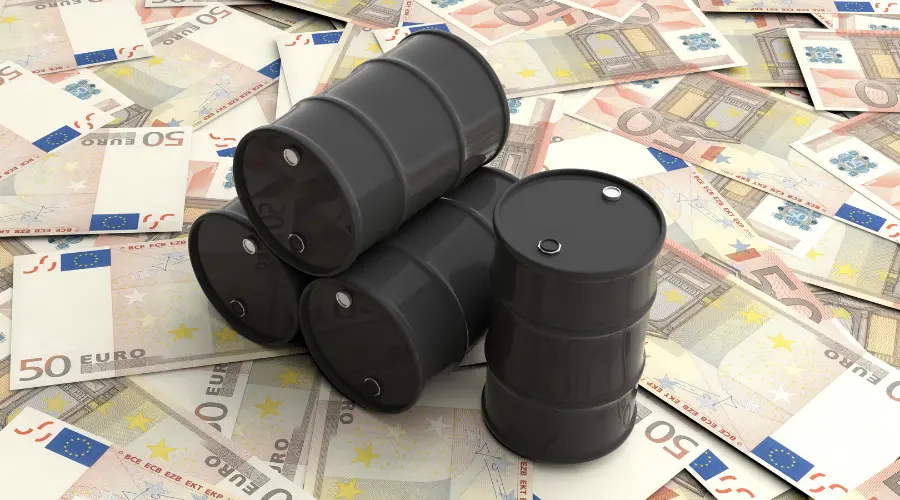
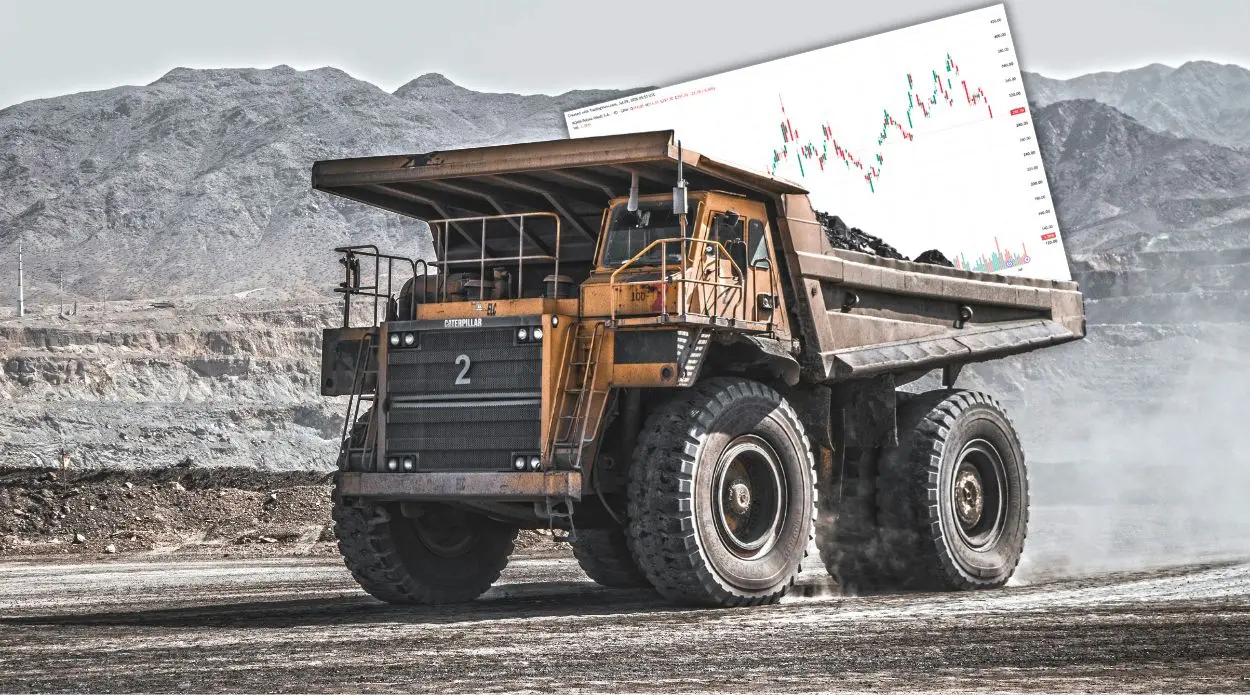
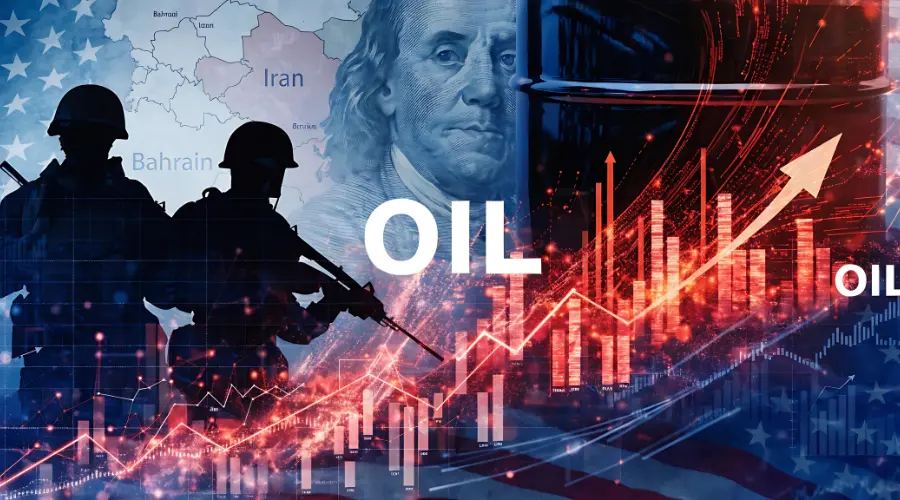
The most direct reaction is visible in the oil market. July futures for Brent oil fall by 2.89%, to $106.70 per barrel, breaking out of the upward channel where the last bullish impulse had been.
Such a reaction may indicate that investors have taken the announcement of talks with Iran as a signal of reduced risk of supply disruptions. The drop in commodity prices shows that the market has begun to reduce the probability of the most extreme escalation scenario, though it does not rule out a price rebound in the event of military incidents or a breakdown in talks.
The weakening oil price reignites hopes of falling inflation, supporting a scenario of possible monetary easing by the Fed in the coming months, especially as the next meetings will be chaired by the new chair, Kevin Warsh. The U.S. dollar is also weakening today – the DXY index falls below 98 points – which positively affects precious metals. Gold gains over 3%, and silver up to 5.6%.
De-escalation in the Middle East supports markets, but does not eliminate risk
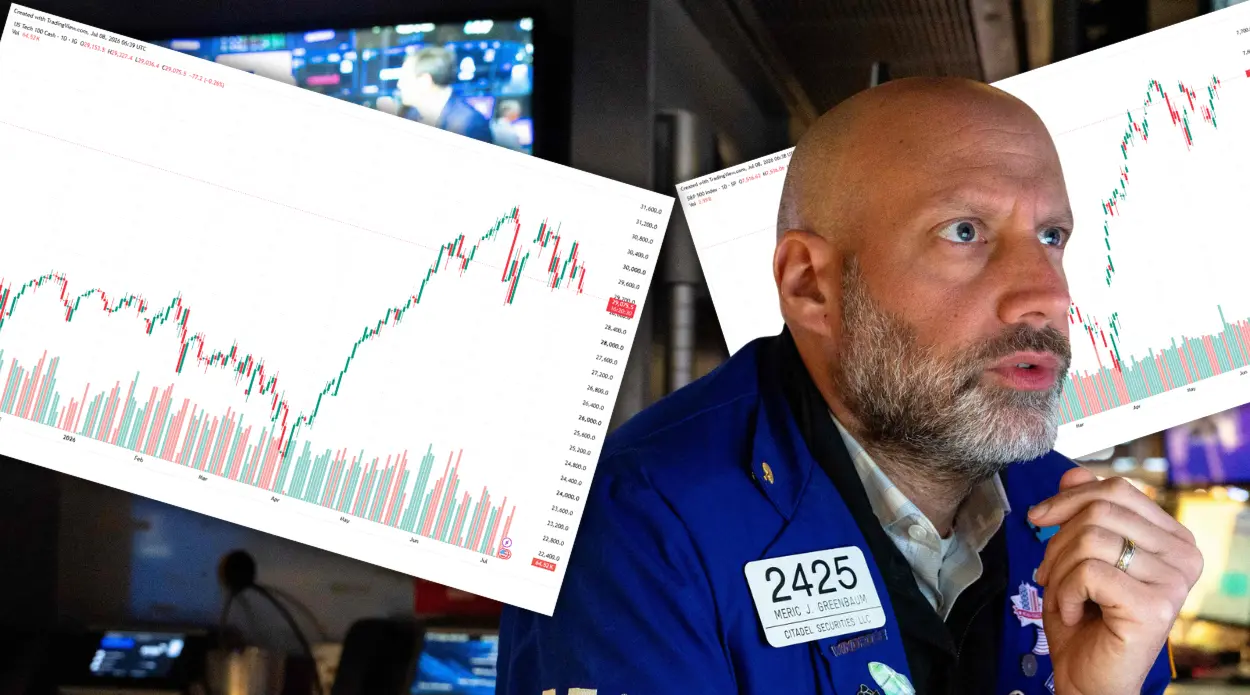
For indices such as the S&P 500, Nasdaq, or Dow Jones, de-escalation signals are supportive because lower oil prices reduce inflationary pressure, limit the risk of rising transport costs, and improve sentiment toward consumer and industrial stocks.
At the same time, the scale of a potential rebound remains limited, as investors still have to account for Iran's blockade, U.S. military presence in the region, and the lack of a confirmed agreement. The equity market reacts with relief, but not euphoria.
Nevertheless, the road to full normalization in the Persian Gulf region remains long, and the overall market picture is mixed, though slightly tilted toward a de-escalation scenario. Index futures benefit from improving sentiment, oil reacts to a drop in supply disruption risk, and the dollar remains between capital outflows from safe assets and still heightened geopolitical uncertainty.
The key to the future direction of prices will be whether Donald Trump's declared "big progress" in talks with Iran is confirmed by concrete agreements. Until the blockade remains in force and Iran does not accept U.S. terms, the market will price not the end of the crisis, but only its temporary easing.