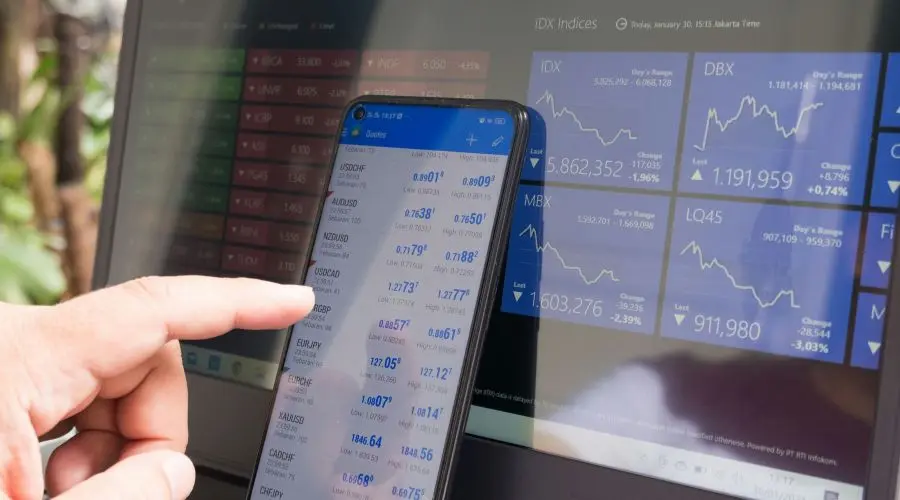
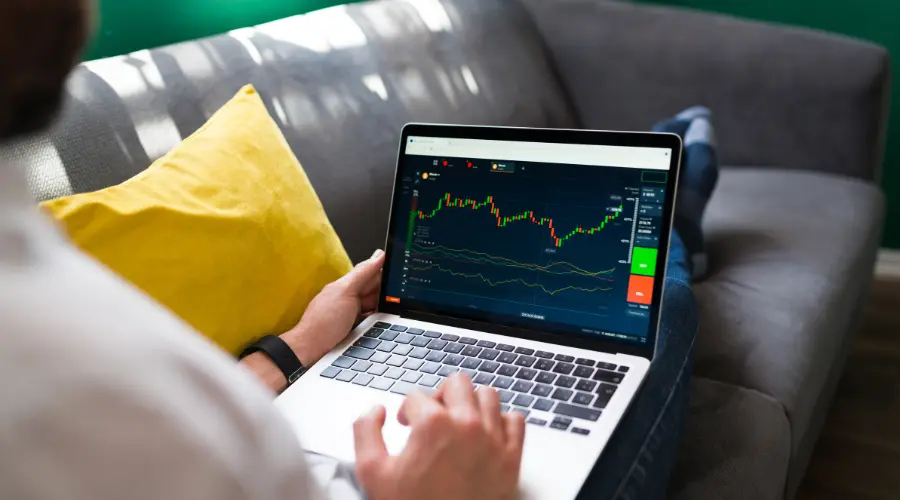
Investment and trading apps have become one of the most popular financial tools for experienced traders and those just starting their journey in the stock market in recent years. You can trade stocks, ETFs, and cryptocurrencies directly from your smartphone, and it takes just a few minutes to open an account and fund it.
The interfaces of such apps are intuitive, notifications appear at the right moment, allowing quick action, and charts load faster than ever imagined by investors using computer platforms.
Investment apps and the high price of convenience
Convenience in using trading apps comes at a cost, and it’s not just about commissions. Platforms actively record data for every transaction, every login, and every financial instrument viewed. Habits, investment style, activity hours, preferred instruments, and order history form a detailed profile that remains in the hands of the app operator.
For legal, regulated platforms most of this data is used to improve service quality and meet regulatory requirements. The problem starts when a platform operates outside regulator oversight, its privacy policy allows data sharing with third parties, or an unauthorized party gains access to the information. The scale of such threats in Poland is growing at a rate that is hard to ignore.
Scale of threats in the Polish financial sector
2025 was record-breaking in terms of cyber threats in Poland. According to the Annual CERT Polska Report, 260,783 unique security incidents were recorded – 152% more than the previous year. 97% of them were computer frauds, including phishing and fake sites that harvest login credentials for electronic banking and investment platforms.
The financial sector is under special pressure. CSIRT KNF, the incident response team at the Financial Supervisory Authority, reported 41,751 dangerous domains for blocking in 2025, blocked 9,751 fraudulent ads, and recorded 787 DDoS attacks on financial institutions. The Authority also issued 625 threat warnings and regularly updates a list of entities suspected of operating without required permits.
What data do trading apps collect?
Every investment app needs certain data to operate – login data, transaction history, account balance, preferred instruments. This is a standard that is not inherently problematic. The issue arises when the scope of collected data exceeds what is technically necessary.
Apps can collect location data, visited pages, time spent on specific instruments, purchasing behavior patterns, and even monitor access to contacts or microphone – if you clicked “allow” during installation without checking details.
In many cases, this data goes to third parties – analytics firms, advertisers, or platform technology partners who are not part of your investment agreement.
The ZPF and EY report “Financial Market Abuse 2024” indicates that fraudulent investment platforms are one of the most serious challenges in the sector. 56% of bank representatives assess that the risk of abuse is increasing – and clients who fall into the trap of fake platforms often direct claims to banks, without the ability to recover money from the actual perpetrators.
Fake trading platforms – a growing problem
KNF consistently warns against investment platforms operating without required permits. They regularly appear on public warning lists for operating without necessary licenses and for which criminal suspicion notifications were filed. As KNF points out, in many cases recovering lost funds is highly complicated, time-consuming, or even impossible.
Unfair platforms reach potential victims through social media and search engine ads, often using the likeness of well-known people. They promise quick and guaranteed profits, and the data collected during registration can later be used for further fraud or sold to other criminal entities.
The danger also lies in how easily apps mimicking legal platforms appear in app stores. A similar name, similar interface, and fake reviews can lead an unaware user to install something that, instead of investing their money, steals their data.
How your data can be used
When someone takes data from your trading platform account, they gain not only access to funds. They also gain a picture of your financial situation: how much you have, what you invest in, how often you trade, and your risk profile. This information can be used for precisely tailored phishing attacks – emails and SMS that refer to your real positions and sound credible.
They can also end up with data brokers who sell such profiles to advertising firms or, in the worst case, to entities looking for easy targets among investors with higher balances. This is not a future scenario – it is a phenomenon documented by CERT Polska and KNF for years.
What you can do to protect yourself
Effective capital protection in the online environment requires a systematic approach and limited trust in technology. Below are important security hygiene principles that will help you minimize the risk of becoming a cybercrime victim:
-
Verify the platform before registration. KNF’s public warning list is freely available on the knf.gov.pl website. Checking whether a platform has the required permits takes a few seconds and can save you time and money.
-
Read app permissions. Before installing, check what the app requires – location, microphone, contacts. A trading app does not need your contacts or microphone. If it asks for them, it is a warning sign.
-
Use a separate device or profile for investing. Mixing internet browsing, social media, and financial apps on one device increases the risk of data capture by malware.
-
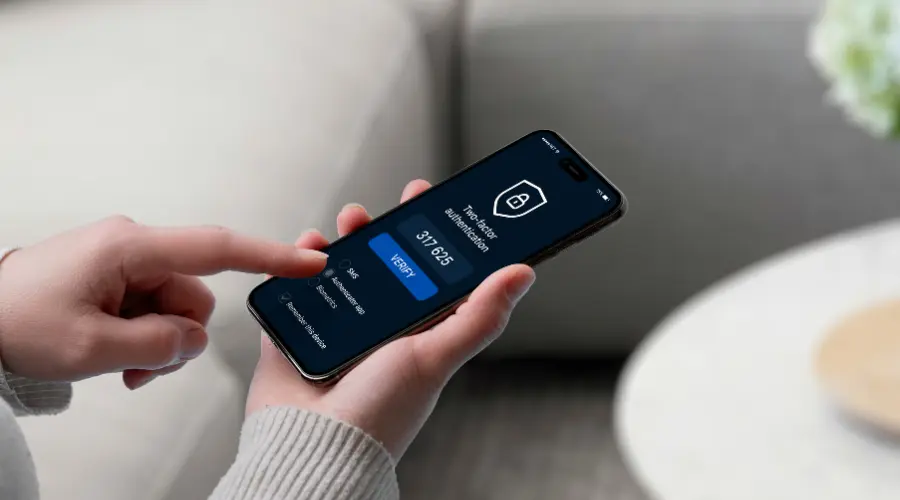
Enable two‑factor authentication everywhere possible. This is one of the most effective barriers against account takeover, even if the password leaks.
-
Choose the fastest VPN on the market. Professional VPN tools offer much more than just IP change. A feature to note is built‑in phishing protection, which automatically blocks connections to fake domains mimicking legal financial platforms. With this, even if you accidentally click a malicious link, the VPN will terminate the session before your data reaches criminals.
-
Regularly check login history and transactions. Even with the highest standards, you should systematically review login history and transaction summaries. Unauthorized activity is often detected too late because users neglect ongoing monitoring of their accounts.
Invest wisely
Online investing has become easier than ever. But convenience, as KNF aptly notes in its Investor Week campaign materials, does not always go hand in hand with security. A few minutes spent verifying the platform and configuring safeguards can protect you from a loss that cannot be recovered with another transaction.