AI boom drains memory from the market
This shows that Micron not only benefits from very strong demand for memory, but can also turn that demand into record profitability. It is good news for investors, but worse for consumers. A persistent memory shortage until 2028 could translate into higher electronics prices.
From a market perspective, the most important aspects of Micron's report were not only the current results but also what the company said about future quarters. The company expects that in the fourth fiscal quarter, ending in August, revenue will be about $50 billion, while analysts averaged $43.2 billion. Adjusted earnings per share are expected to reach about $31 versus market forecasts of $25.31.
A key safeguard for the company is 16 strategic contracts with customers signed for the next three years. In the memory industry, which is traditionally very cyclical, such contracts act as a shock absorber. They reduce the risk of a sudden downturn and can support further price increases at least until 2027.
Demand remains so strong that the company does not see a point where supply could balance it. Shortages may persist even after 2027, and gradual improvement in availability may only appear in 2028. This is a problem not only for chip makers. It is also a challenge for the computer, smartphone, gaming console, and automotive markets.
With AI, demand for high‑speed HBM memory grows
Artificial intelligence has significantly increased demand for high‑speed HBM (High Bandwidth Memory). Today it is one of the key components needed for AI development. The problem is that this market is essentially controlled by only three companies: SK Hynix, Samsung and Micron.
SK Hynix holds the largest share, about 50 to 62% of the global market. Samsung has 25 to 40%, and Micron 5 to 20%, depending on product type and customers. Such a small number of producers gives them stronger positions. Customers have fewer choices, find it harder to negotiate prices, and feel every memory availability issue more quickly.
Samsung warns that memory shortages related to AI will keep electronics prices high at least until 2027.
More and more of the silicon wafer production is directed toward the more profitable HBM segment. Producing HBM for AI accelerators requires about three times the production capacity of standard DRAM (Dynamic Random‑Access Memory, the basic memory used in consumer electronics). This forces producers to shift resources from consumer and corporate segments to serve AI‑related customers.
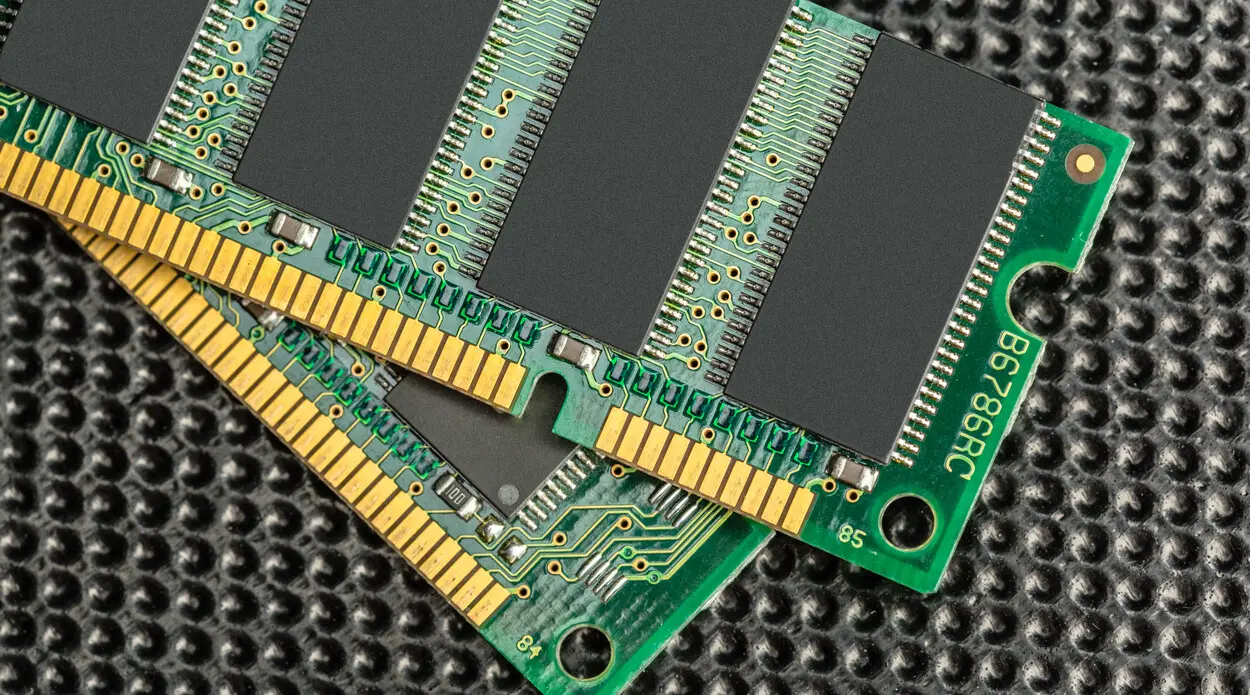
This drives up prices for all types of memory. According to TrendForce, traditional DRAM rose by 90% in Q1 2026 compared to the previous quarter. At the same time, NAND Flash memory (non‑volatile technology that retains data without power) increased by almost 60%. That is not the end of price hikes.
The company forecasts that in the next quarter DRAM could rise by about 60% and NAND Flash by about 70%. This shows that we are no longer dealing with a temporary price rebound. The entire balance of power in the electronics market is changing.
Electronics price hikes are looming
For consumers this means simple consequences. Smartphones, personal computers, gaming consoles, and other electronic devices could become more expensive.
Memory accounts for an average of about 15% of a smartphone’s price, so its price increases quickly translate into device prices. A similar situation applies to personal computers. PC manufacturers are already signaling price increases in the second half of 2026 along with rising memory costs.
The quarterly Micron report clearly illustrates where the memory market stands today. For the company it means record margins, strong forecasts, and a large negotiating advantage over customers.
For the entire electronics industry it means rising costs that sooner or later will be passed on to consumers. If memory shortages continue for several more years and producers focus production mainly on the most profitable AI segment, price increases for smartphones, computers, and consoles will become unavoidable. The AI boom is therefore evident not only in Micron’s results but also in our own wallets.