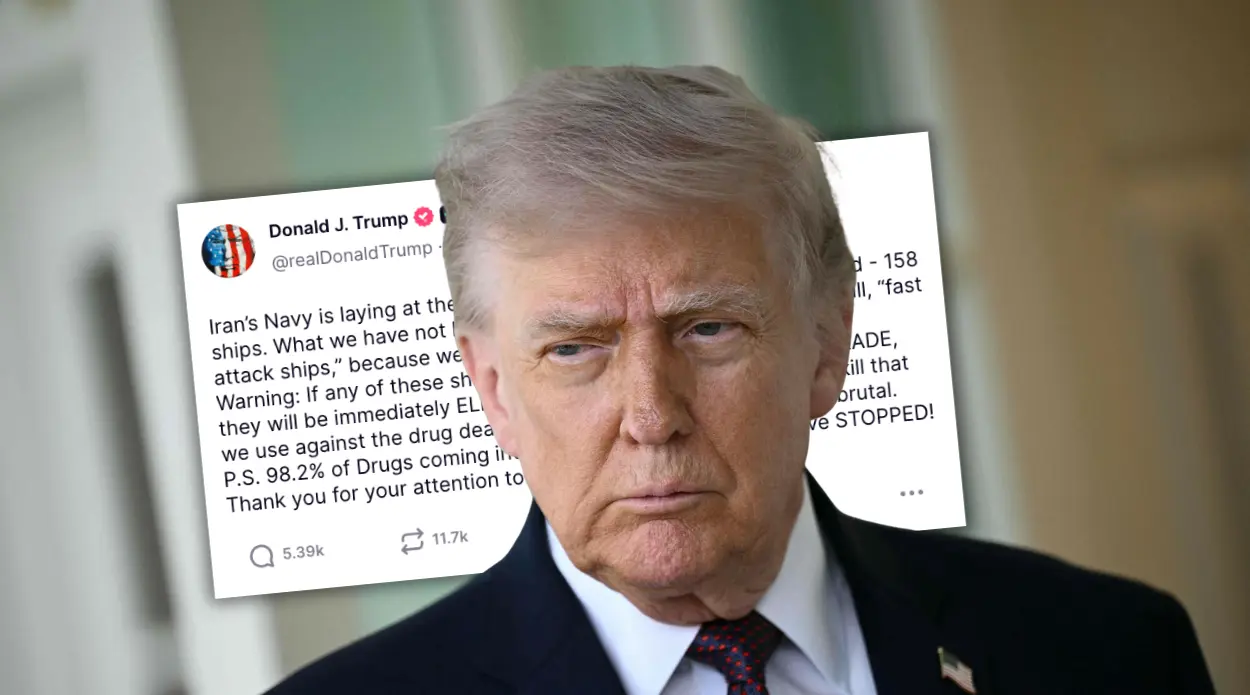
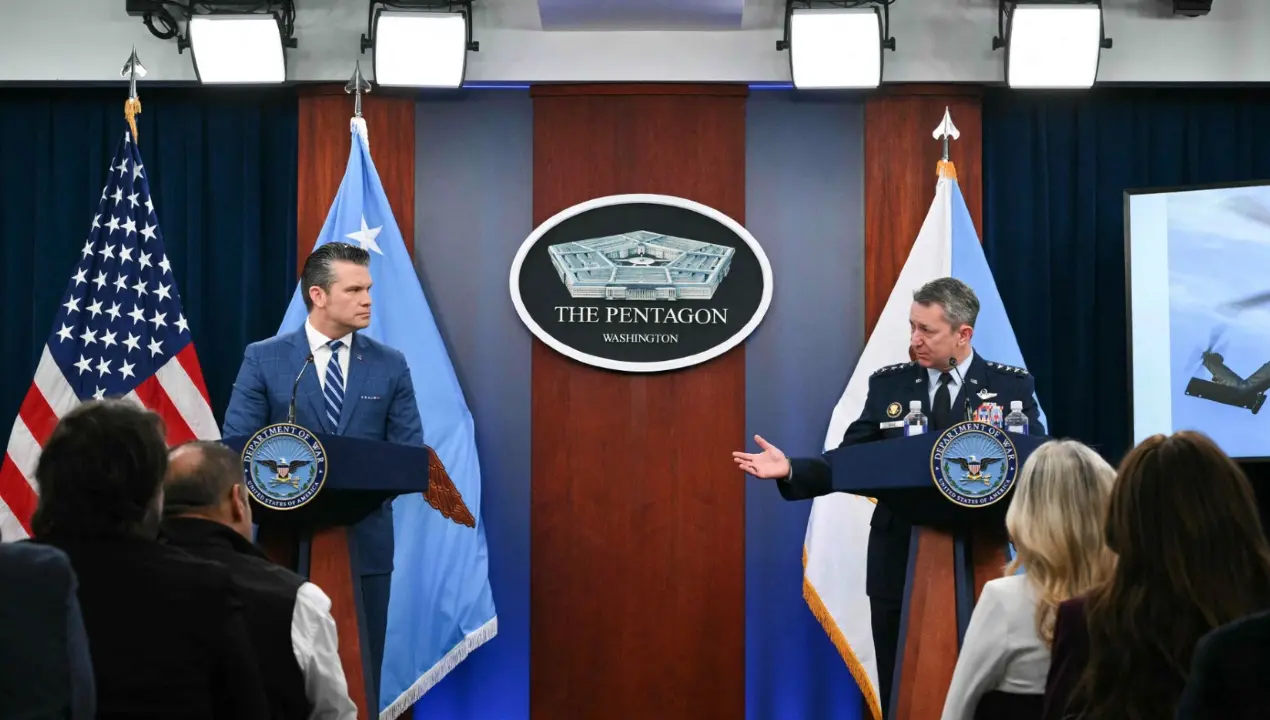
White House pushes the narrative of direct talks with Tehran, yet peace seems extremely fragile.
Geopolitics extends the blockade of the Strait of Hormuz
Only a few hours after the conditional cease‑fire announcement in the Middle East, Gulf countries reported rocket attacks.
Iran, in turn, accuses Israel of violating the fresh truce with intensified attacks on Lebanon. Commodity markets still bleed heavily due to the status of the Strait of Hormuz, which, despite Tehran’s assurances of safe passage guarantees, remains closed.
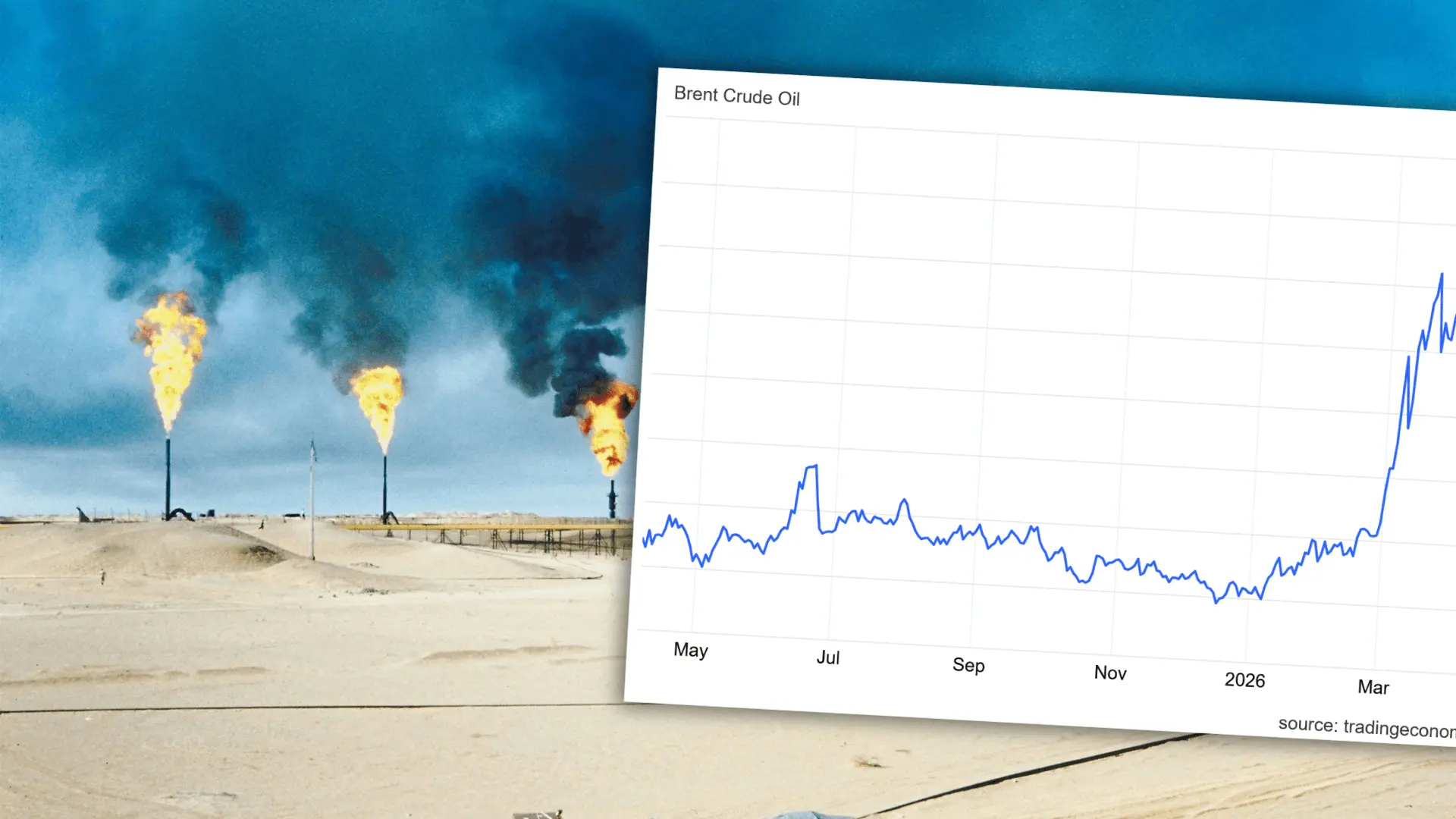
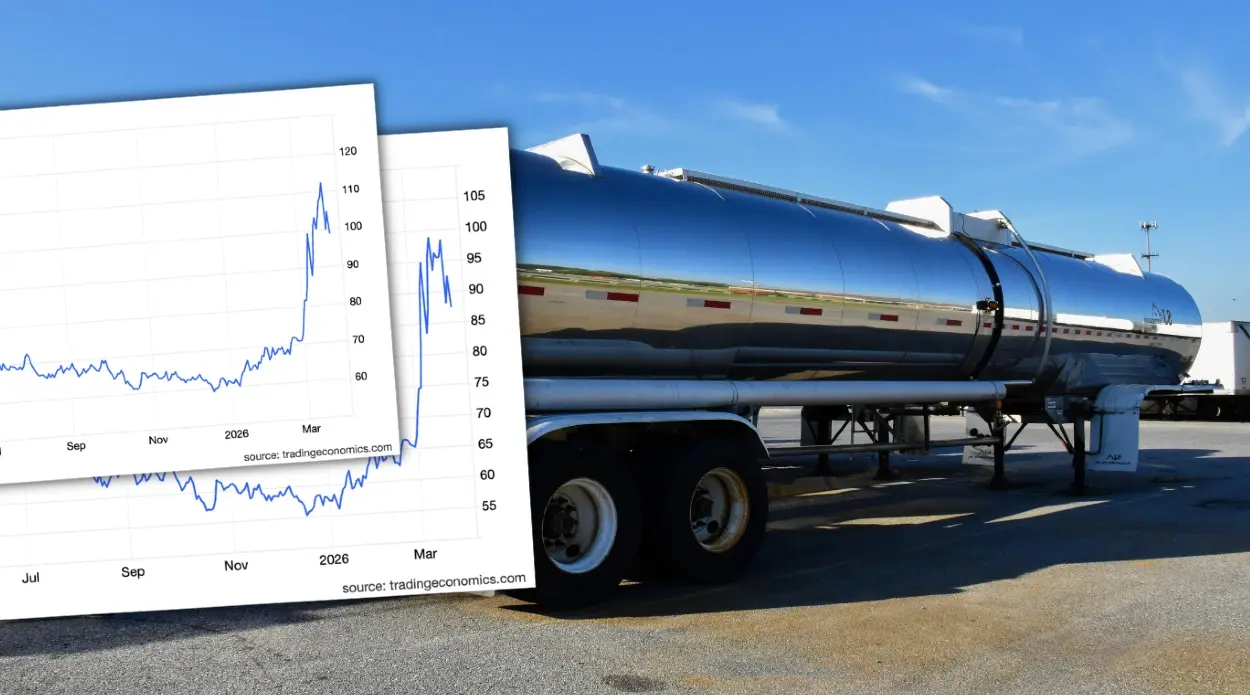
The effect of this geopolitical uncertainty is a high volatility of oil prices. After the most drastic one‑day drop since April 2020, oil began to rebound again.
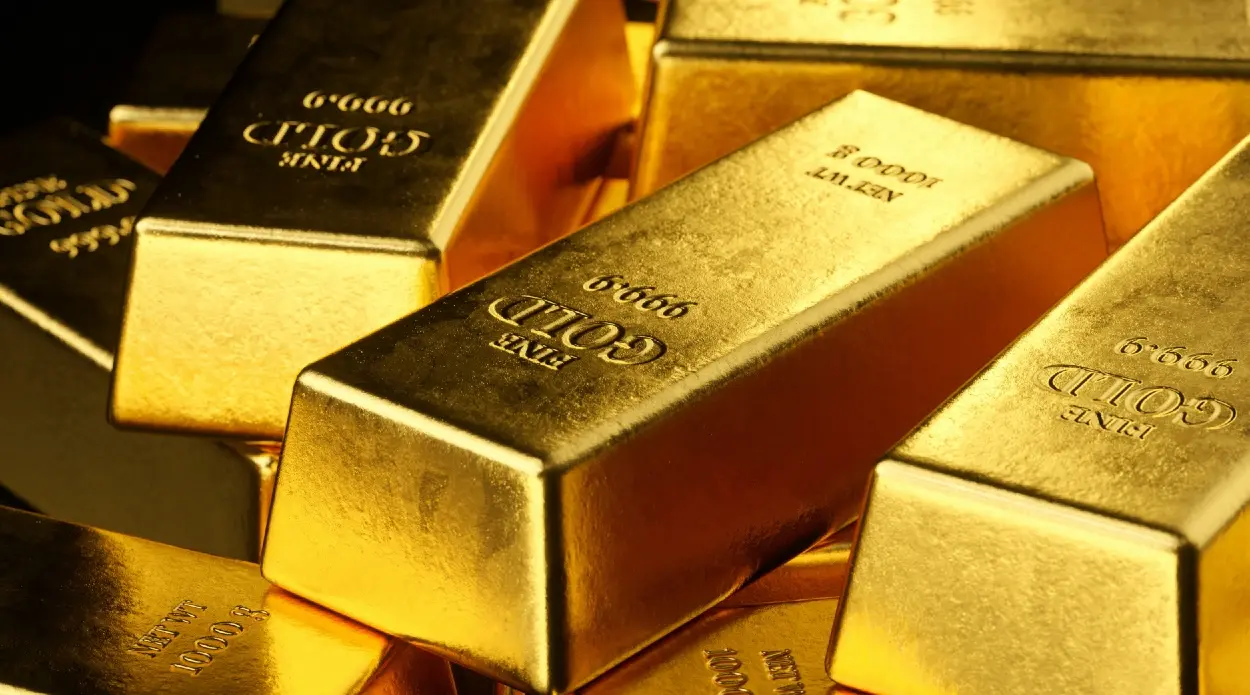
Gold, which traditionally should rise during times of threat and unrest, behaves unusually this time. The metal moves almost hand‑in‑glove with the stock market, clearly showing that trading psychology has changed markedly.
The war has become a catalyst for inflationary risk. The energy price spike forced central banks into a dilemma. On one hand, there is pressure to raise interest rates, a natural brake for gold, which pays neither dividends nor interest.
On the other hand, the protracted conflict threatens a sharp economic slowdown and a blow to the labor market. This, in turn, will force monetary policy easing.
See also: Gold price fell 12%, further discount soon? Expert: “With possible de‑escalation there is a chance to recover losses”
Gold and silver remain sensitive to geopolitical turbulence
In the current war cycle, gold has stopped serving as a classic safe haven.
“Gold gave up earlier gains after the chairman of the Iranian parliament announced last night that there was a breach of the temporary cease‑fire”, the statement from ING Think reported.
“Reports of ongoing fighting, including Iranian attacks on Gulf states, and continued disruptions in shipping through the Strait of Hormuz have kept geopolitical risk high. There is also no certainty whether the cease‑fire covers the Israeli operation in Lebanon”, added.
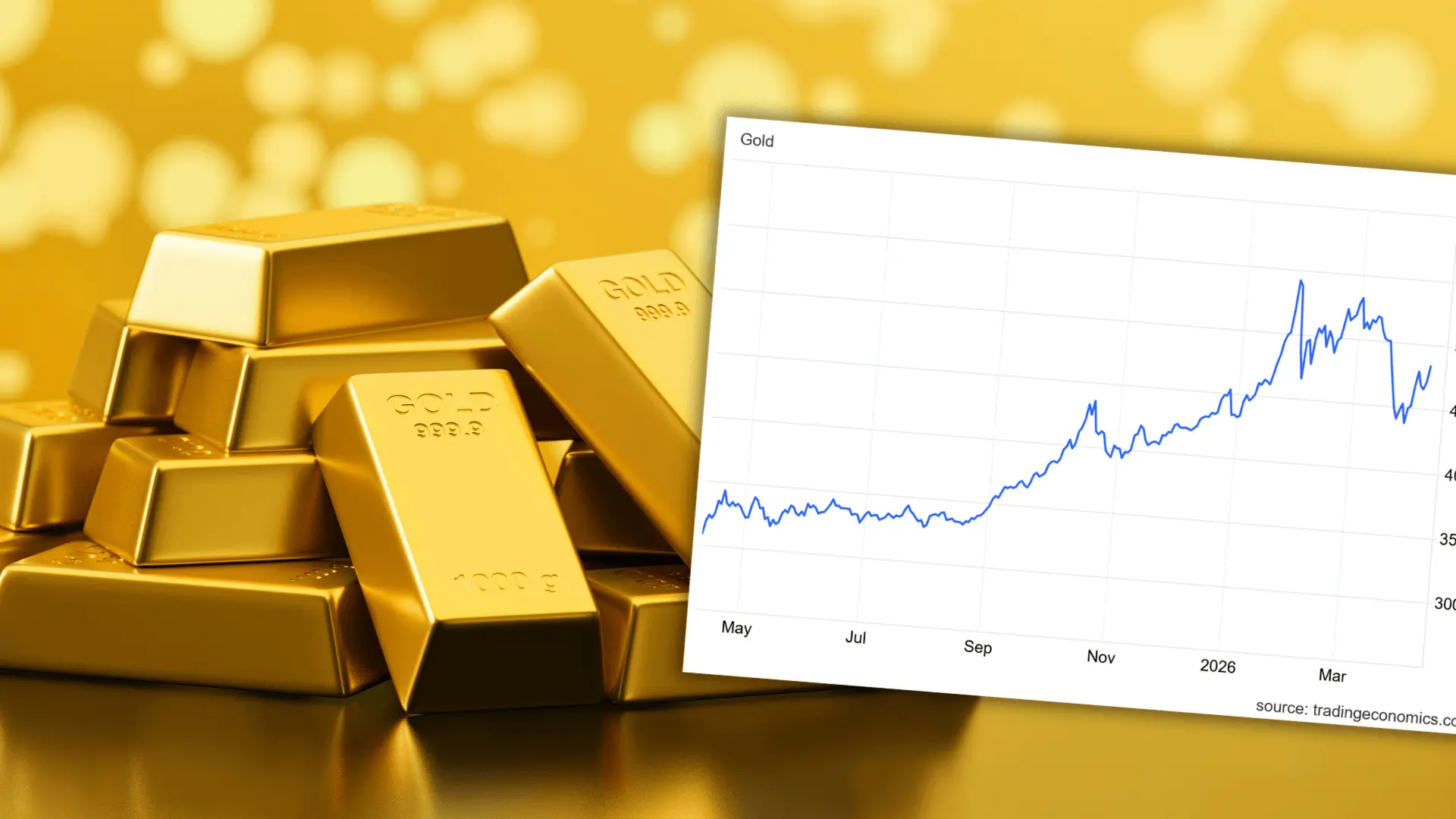
During Wednesday’s session, the gold price rose above 4,800 USD per ounce, moving in tandem with global equity markets.
Experts note that “the two‑week cease‑fire between the United States and Iran briefly increased risk appetite and eased fears of a wider economic shock”.
Gold price swings, in turn, send conflicting signals, and demand for safe assets is balanced by changes in investor sentiment and dollar movements.
In the near future, gold prices will likely continue to depend on media headlines, and further clarity on the durability and scope of the cease‑fire will be crucial for determining whether prices can regain upward momentum – the ING Think experts said.
Currently, one ounce of gold costs 4,740 USD.
Chart. Gold spot price (XAU/USD)

Source: Trading Economics
The silver price has shown exceptional volatility in recent days.
The white metal, called by some analysts “turbo‑gold” due to its tendency to amplify yellow metal moves, had a brief rally toward 77 USD triggered by hopes of de‑escalation.
It was then interrupted and fell to around 74 USD per ounce. This correction nicely illustrates the dual nature of this asset.
Silver reacts to geopolitical investment demand, but it is also a barometer of industrial conditions. The ever‑lasting blockade of the Strait of Hormuz and the risk of economic slowdown hit technological demand, effectively anchoring the metal’s price.
Chart. Silver spot price (XAG/USD)

Source: Trading Economics
See also: Fuel prices plunged after Trump’s words. Attacks on Iran were halted. “I instructed the Department of War”