Polish fuel giant decided on Thursday to lower wholesale fuel prices. The group reduced diesel by 147 PLN to 6,803 PLN per cubic meter. The cut also affected unleaded gasoline 95 by 90 PLN to 5,415 PLN.
On Wednesday there was also a diesel cut, but it was much lower than on Thursday and amounted to only 38 PLN to 6,950 PLN per cubic meter. At that time gasoline 95 increased by 55 PLN to 5,505 PLN per cubic meter.
Maximum prices at fuel stations go up
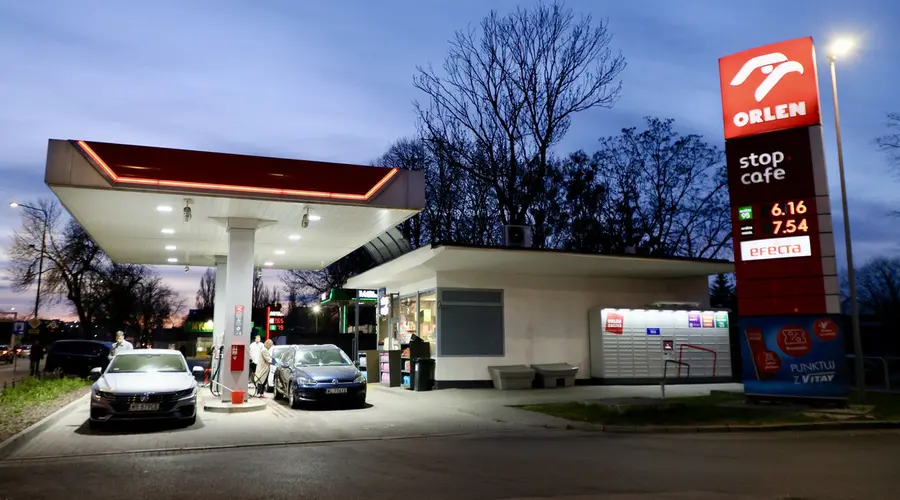
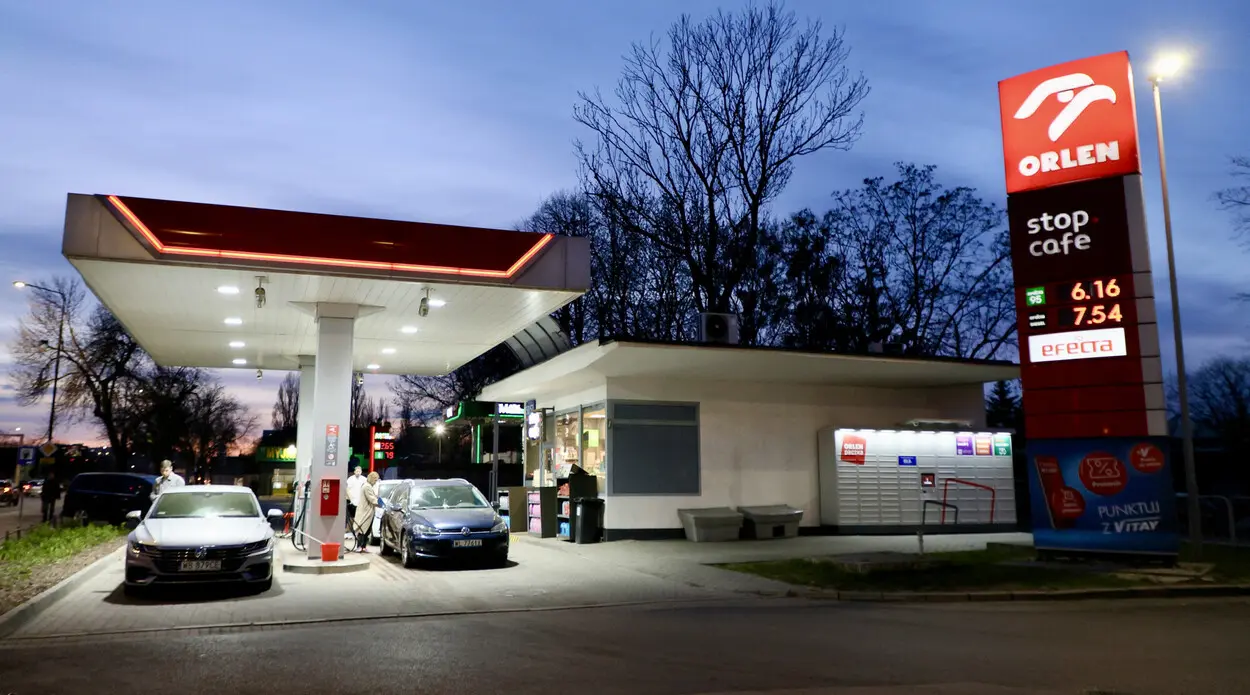
On Thursday drivers refuelling at Polish fuel stations could face an unpleasant reality. Fuel prices could again be higher. All thanks to the rise in maximum prices, which are regulated by the government through the adopted CPN package, i.e. “Lower Fuel Prices”. The information on the maximum rates was published in the Polish Monitor on Wednesday by the Ministry of Energy. This set for Thursday that unleaded gasoline 95 could not cost more than 6.27 PLN per litre in retail sales, unleaded gasoline 98 6.88 PLN per litre, and diesel 7.83 PLN per litre. The day before, the maximum fuel prices were as follows: gasoline 95 - 6.16 PLN, gasoline 98 - 6.76, diesel - 7.60 PLN.
Prices include VAT at 8%, as well as the minimum excise rate introduced by the government to try to curb further price increases at fuel stations.
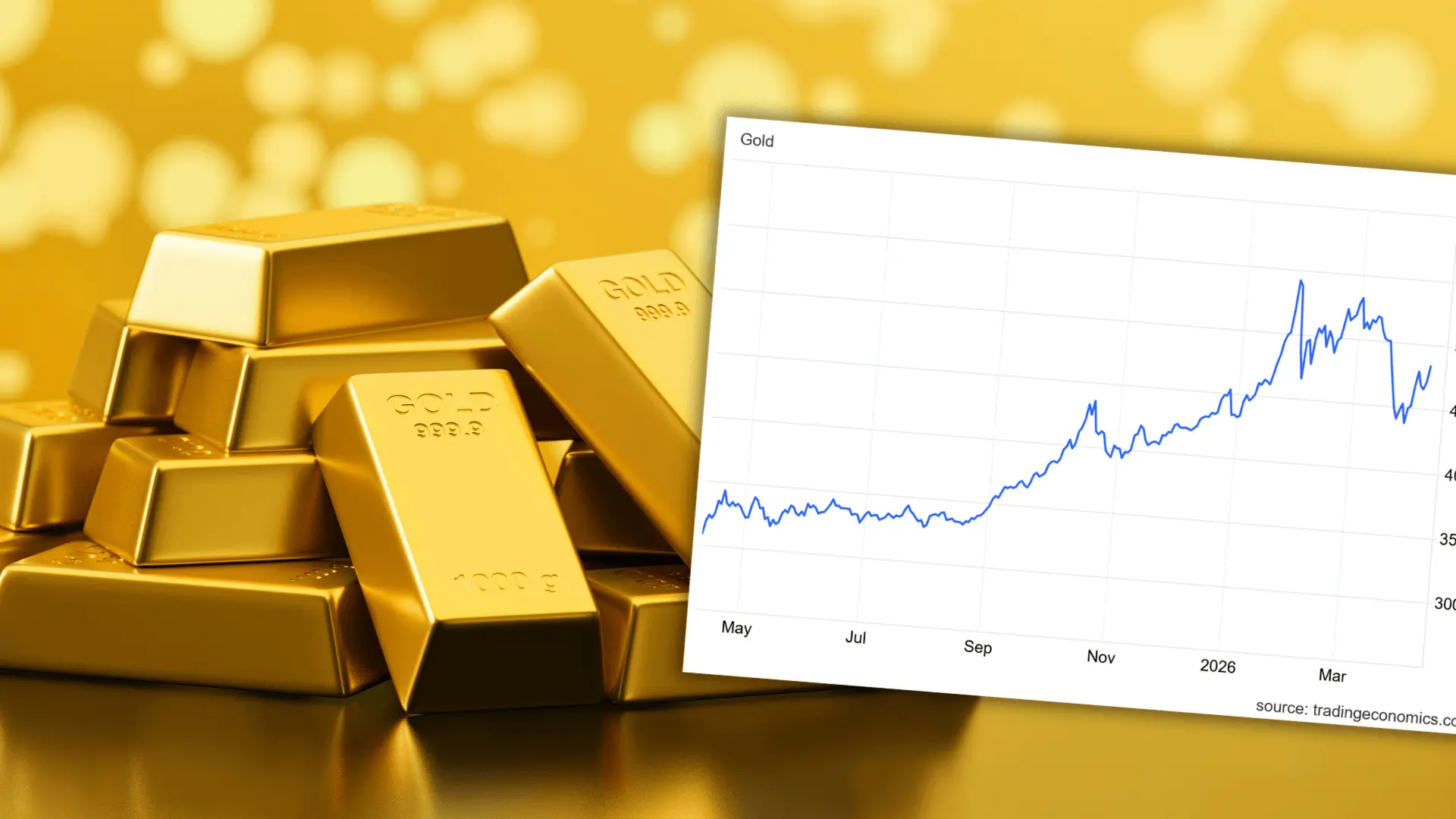
Read also: USA's ultimatum to Iran shakes markets. Oil cheapens, dollar loses, gold rises
Will it be cheaper on Friday?
Many indications suggest that Friday could be a day when maximum fuel rates are lowered. All thanks to what is happening in the Middle East. At night from Tuesday to Wednesday US President Donald Trump announced that he agrees to a two‑week ceasefire.
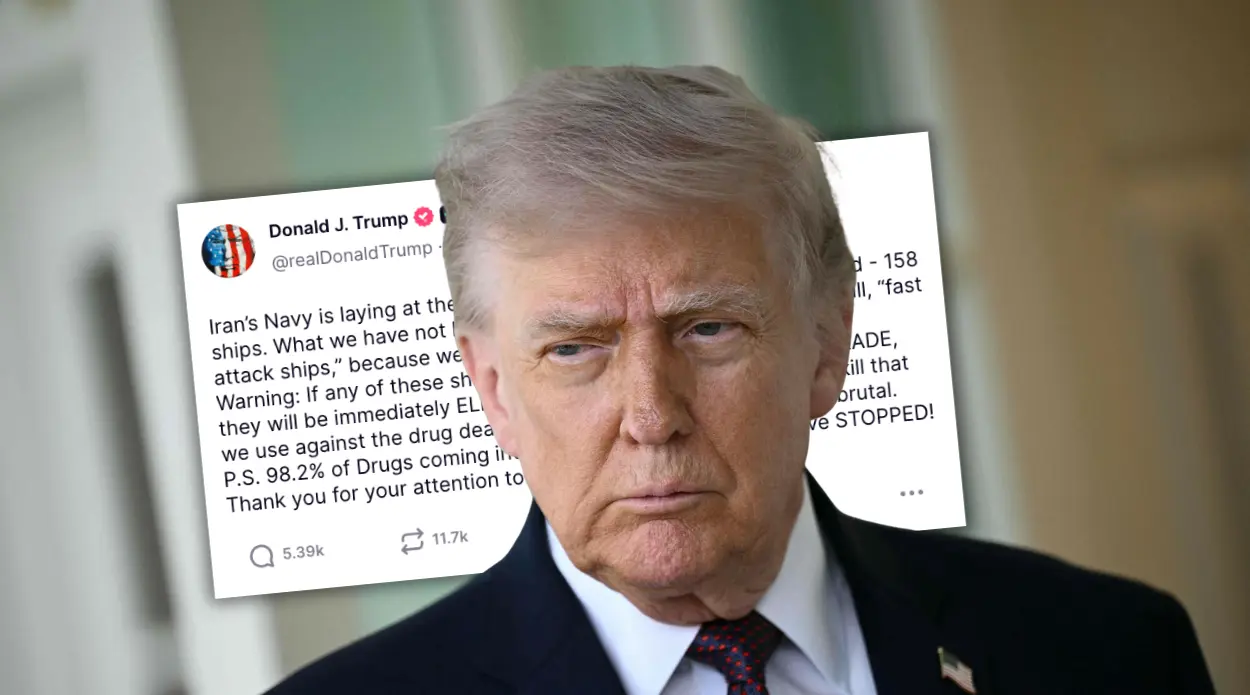
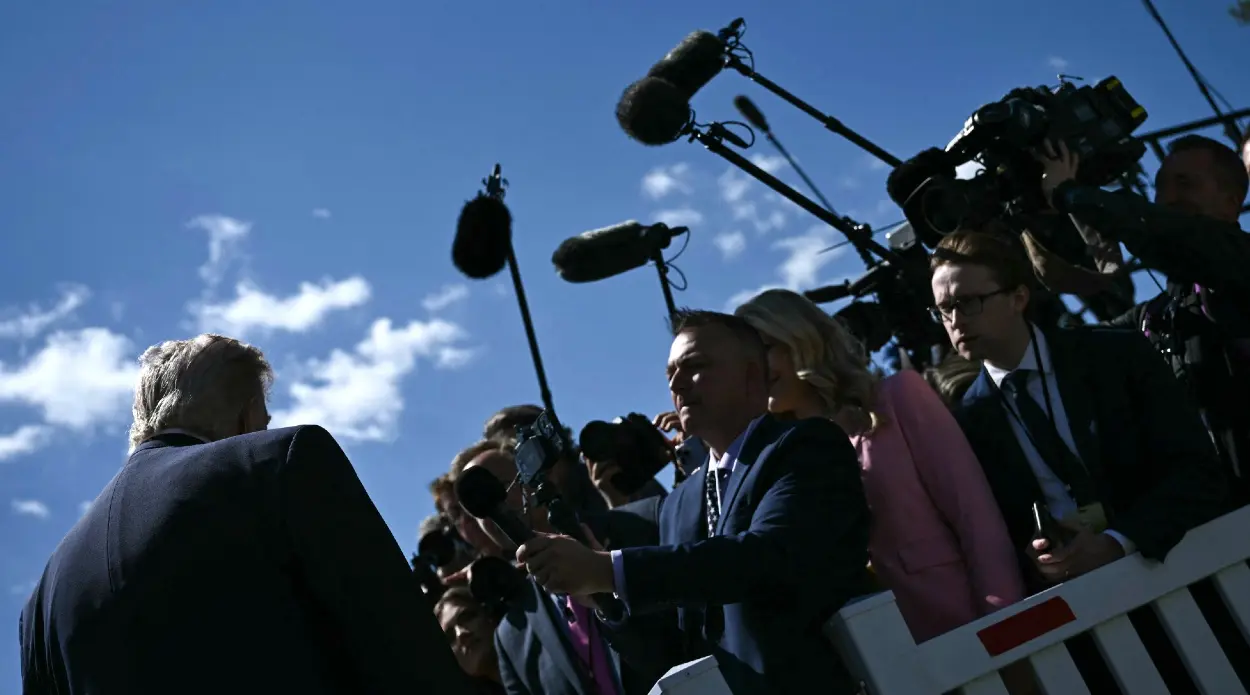
"I agree to suspend bombing and attacks on Iran for two weeks," wrote Donald Trump on social media.
The US president added that the ceasefire should be mutual, and the proposal presented by Iran could serve as a basis for reaching a long‑term agreement.
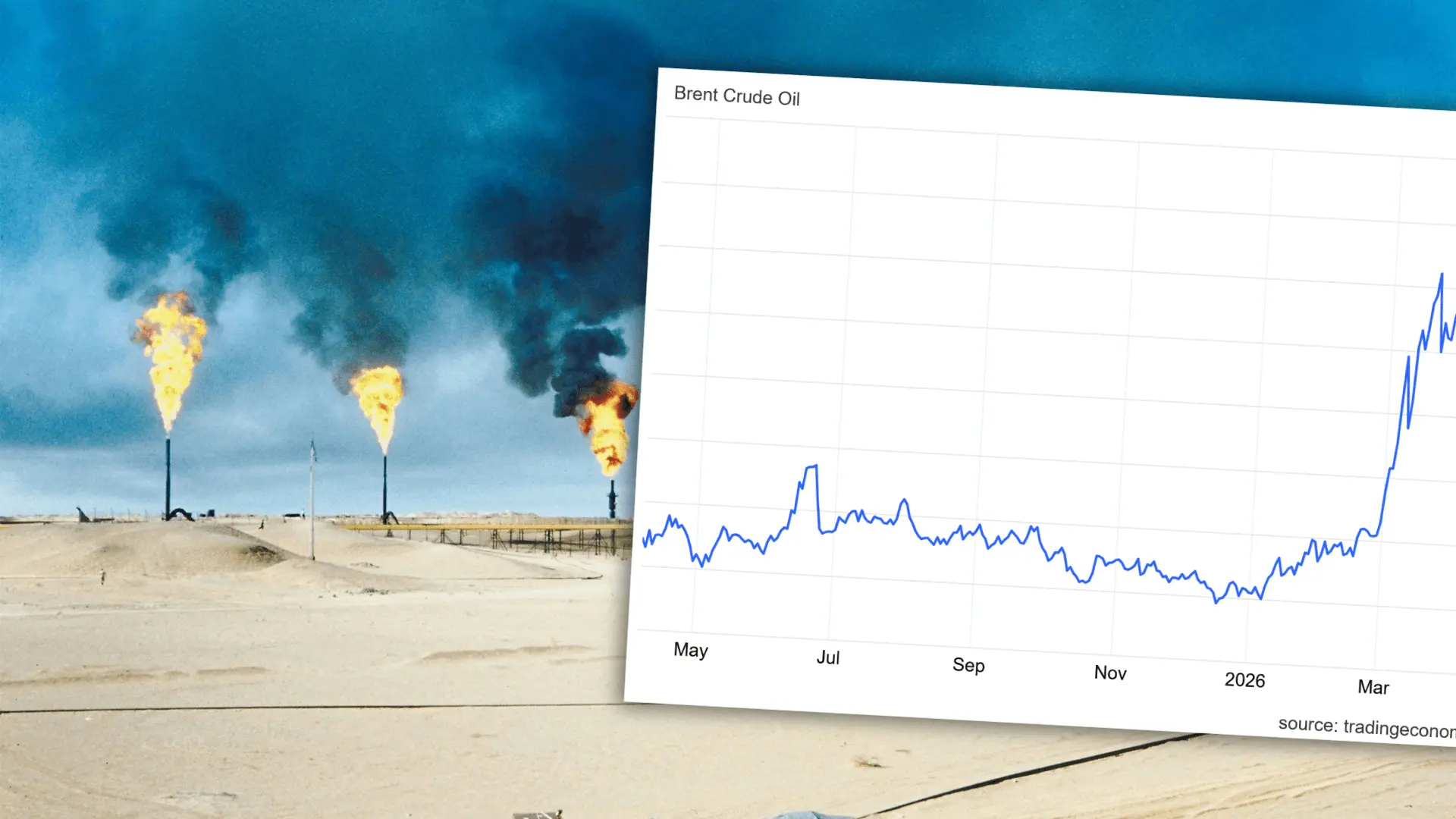
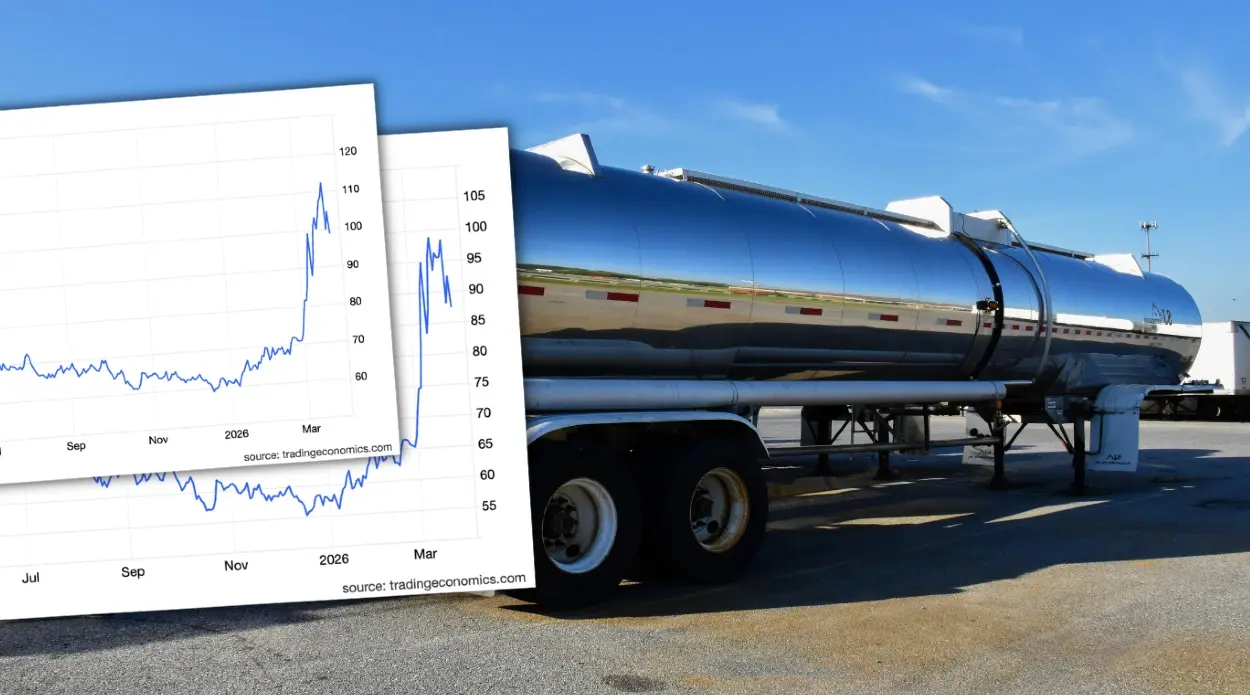
The condition that must maintain the ceasefire is the unlocking of the Strait of Hormuz by Iran. This transport route, through which about 20% of global oil demand and nearly 30% of gas flows, was almost completely blocked after the 28 February US and Israel attack on Iran. That immediately affected global fuel markets, leading to higher fuel prices both in retail and wholesale.
Experts point out that even if Iranians decided to unlock the Strait of Hormuz, units would not immediately decide to transport fuel through that route for safety reasons. A fight could actually resume at any time. Moreover, there is no certainty that incidents will not occur. On Wednesday the Iranian state news agency Fars already informed that tanker traffic through the Strait of Hormuz was again stopped. All because of Israel's attack on Lebanon.
Nevertheless, the Polish government expects that despite this incident both sides of the conflict will fulfil the ceasefire announcement, which should reflect in fuel prices that should start falling. It should be noticeable already on Friday - the head of the Polish government said.
"I think that from Friday a positive effect of the ceasefire will be felt at Polish fuel stations," said Prime Minister Donald Tusk.
See also: Who won the USA's war with Iran? This is the real winner