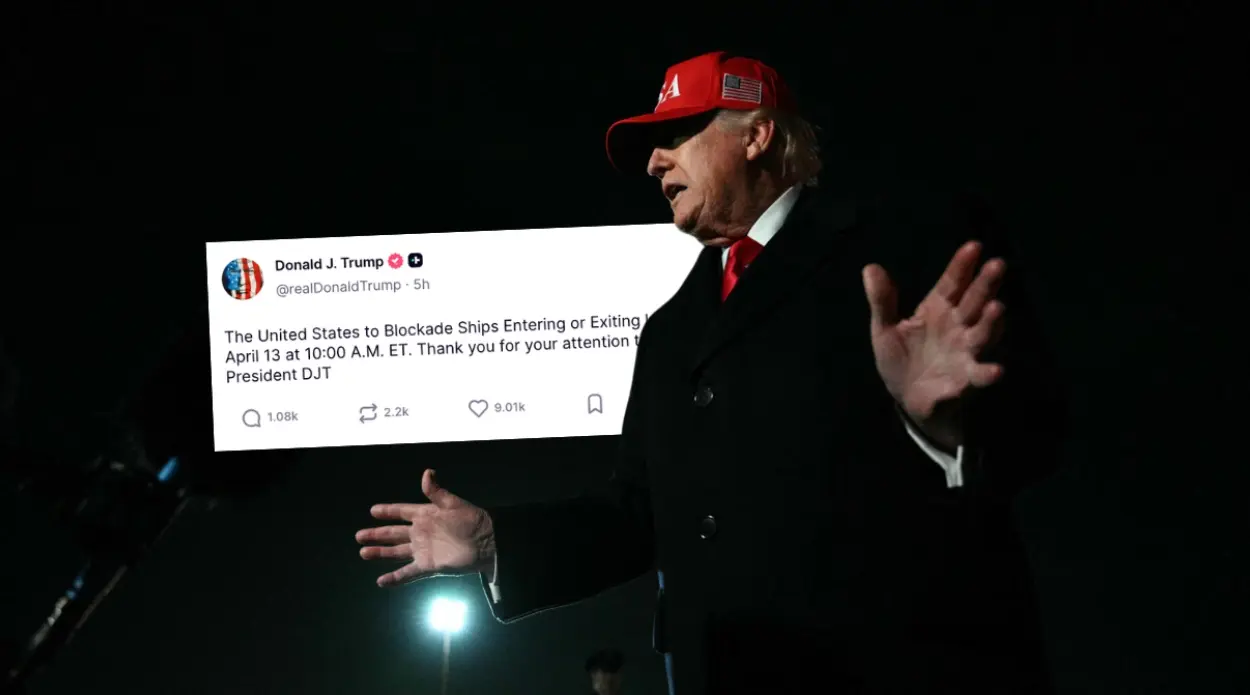
Donald Trump announced that he had agreed to a ceasefire in the Middle East. Iran accepted his proposal. As a result, the king’s metal rises.
Trump agrees to halt fighting
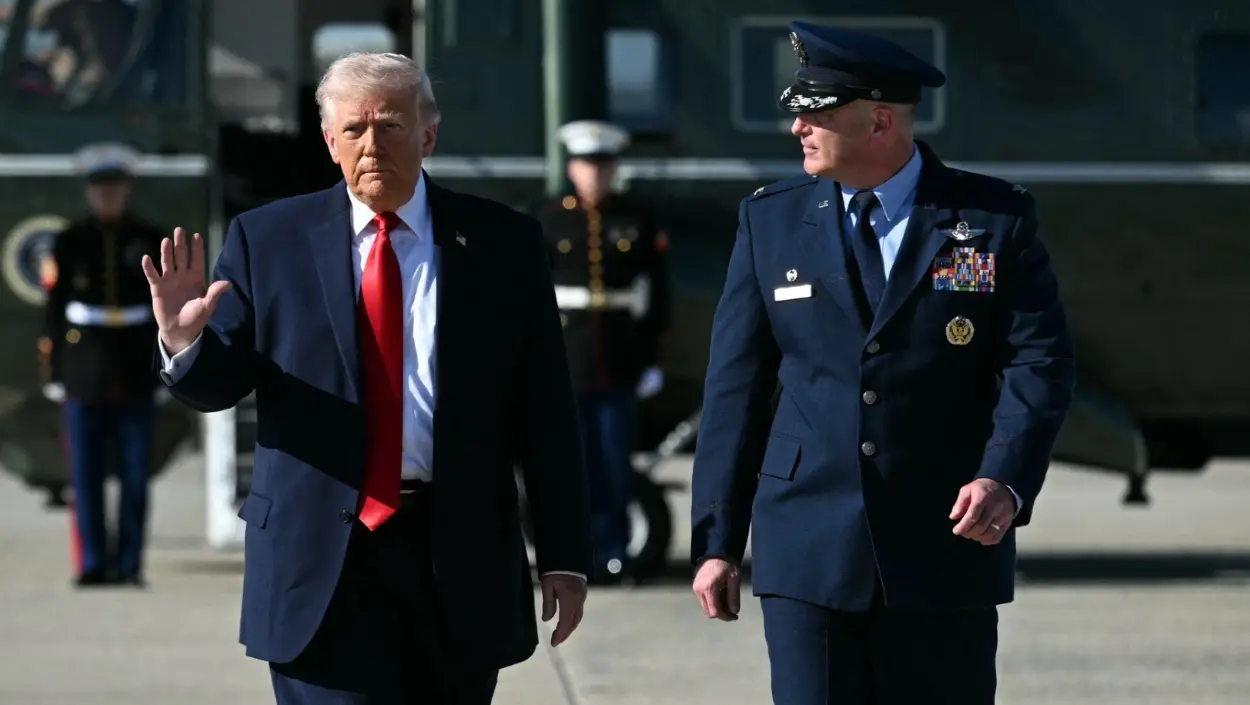
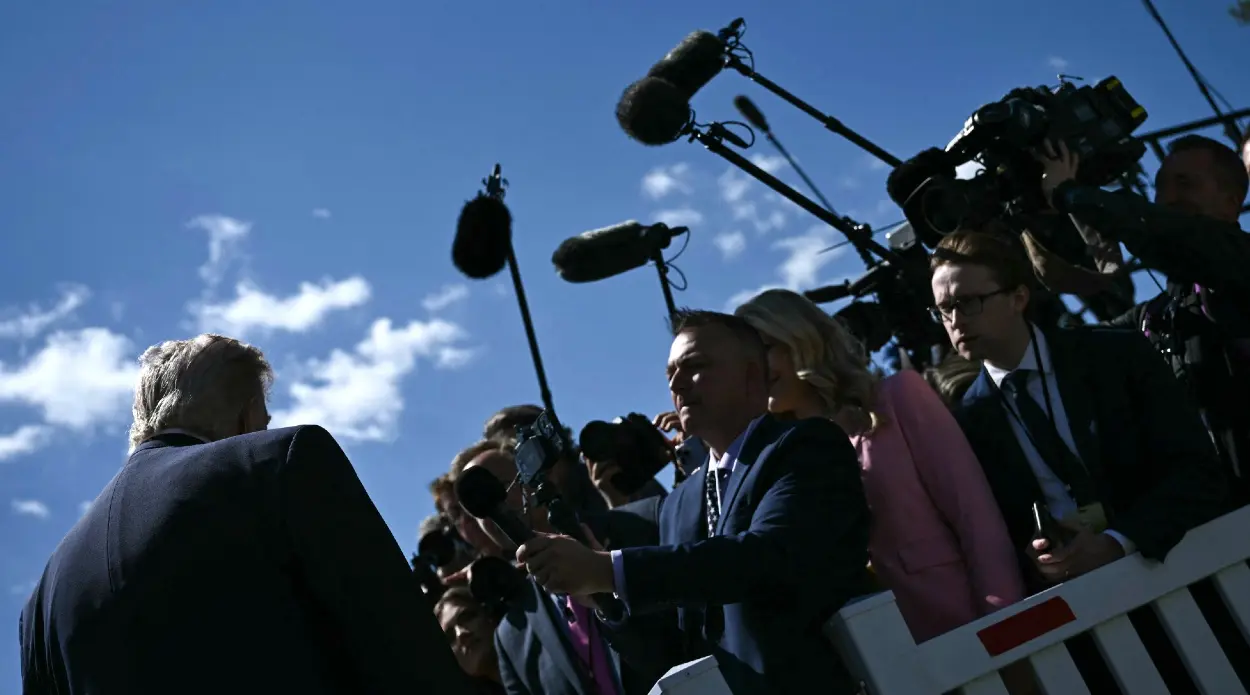
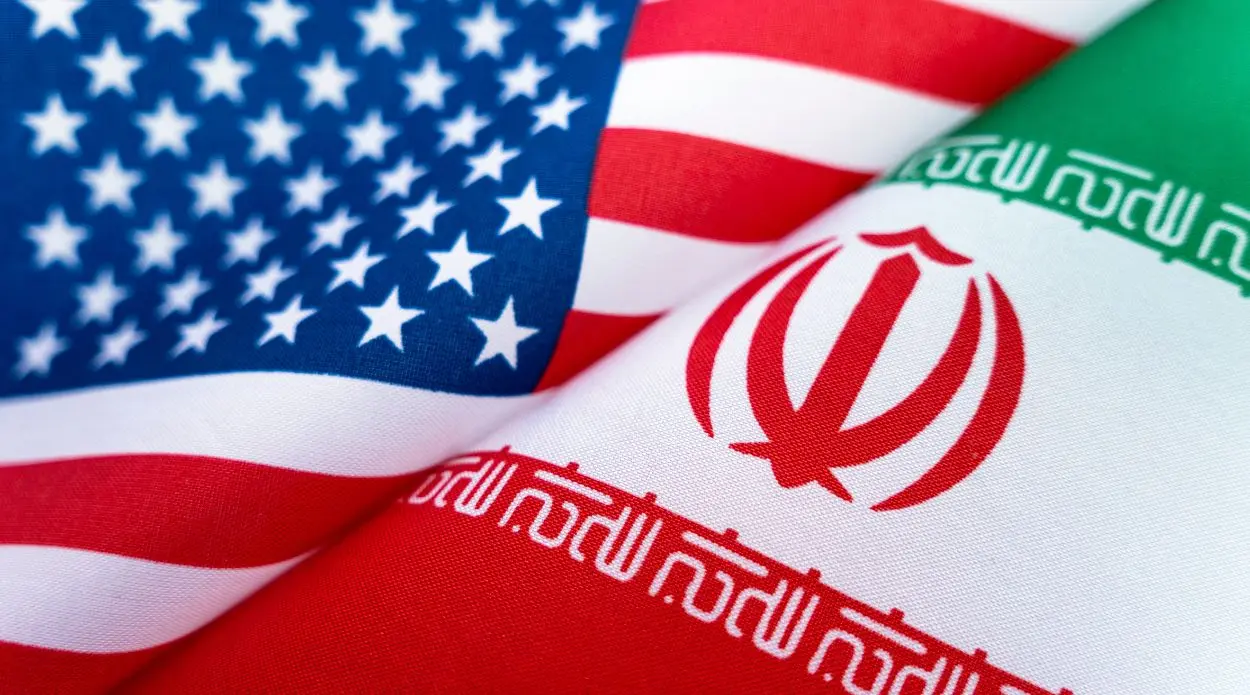
It happened, as many investors had been waiting for: Donald Trump announced a two‑week ceasefire in the Middle East. Iran accepted the proposal. Israel did the same. This means a significant step towards peace in the region has been taken.
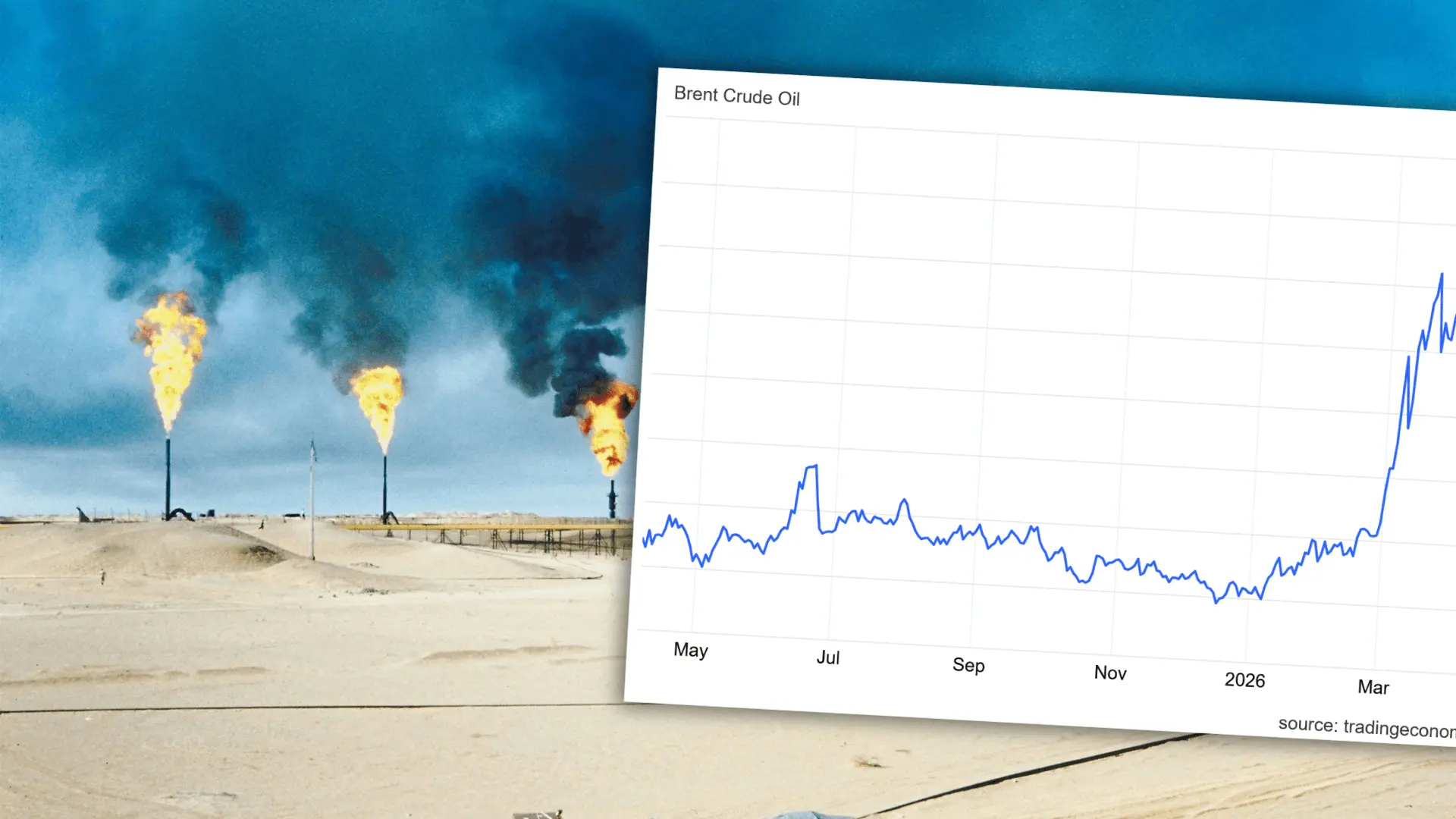
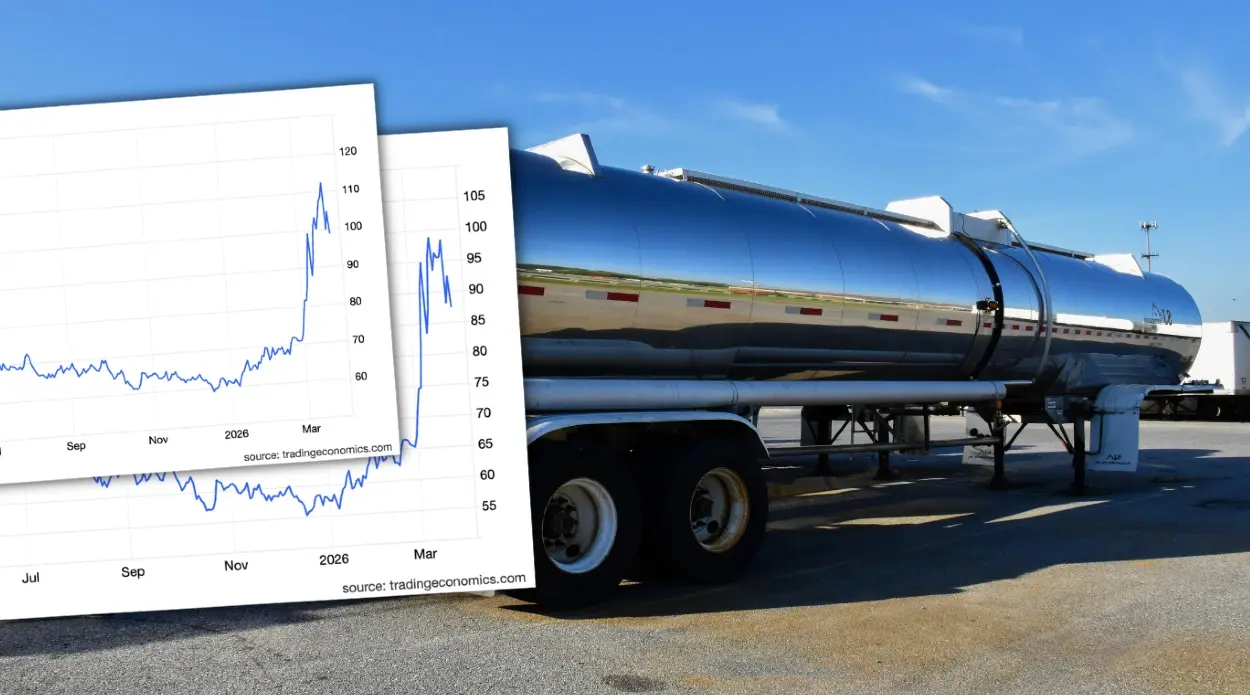
It is worth adding that the Strait of Hormuz was also opened, which means that oil supply on global markets will increase, already reflected in the commodity price: it obviously falls. Cryptocurrencies are rising, and one can also expect a rebound on Wall Street and the Polish exchange.
XTB in its today’s report points out that “in the broad market we observe today a reversal of movements from the last month.”
“Trump announced a two‑week pause in military actions to allow negotiations with Iran. Markets reacted extremely positively: oil prices fell, the USD weakened, and stocks and gold rose. The proposal is based on a 10‑point Iranian plan deemed feasible,” the firm says.
As it adds, “Iran demands, among other things, full lifting of sanctions, maintaining regional influence and control over transit through Hormuz,” which the USA consider “hard to accept.”
“Differences between the parties undermine the chances for a lasting agreement. Nevertheless, the ceasefire may prove a tactical pause, the market reaction is decisive,” we read in the rest of the report.
XTB warns that “even in the case of a ceasefire, traffic through the Strait of Hormuz may remain limited to 10–15 ships a day.”
“This would mean maintaining bottlenecks and supply problems. Iran may also introduce fees and control over transit. This suggests that the increase in supply may still be structurally limited,” analysts add.
Peace talks will take place in Islamabad on April 10. Pakistan will lead them.
However, as XTB rightly warns, the pause in fighting may not last long. The last month showed that Iran is a much stronger state than many thought. Moreover, the USA could not break the blockade of the Strait of Hormuz with its forces. Israel, on the other hand, showed its agency by dragging Americans into war, yet even in alliance with them it could not defeat its main enemy.
So far, gold reacts well to all this. It is the effect that even a temporary unlocking of the key oil trade route increases supply, which translates into a drop in its price. The latter means greater chances of further rate cuts in the USA, and thus a cheaper dollar, in which the king’s metal is priced.
See also: Will gold reach $10,000 per ounce? An optimistic forecast assumes an upcoming rally
Will gold return to the throne?
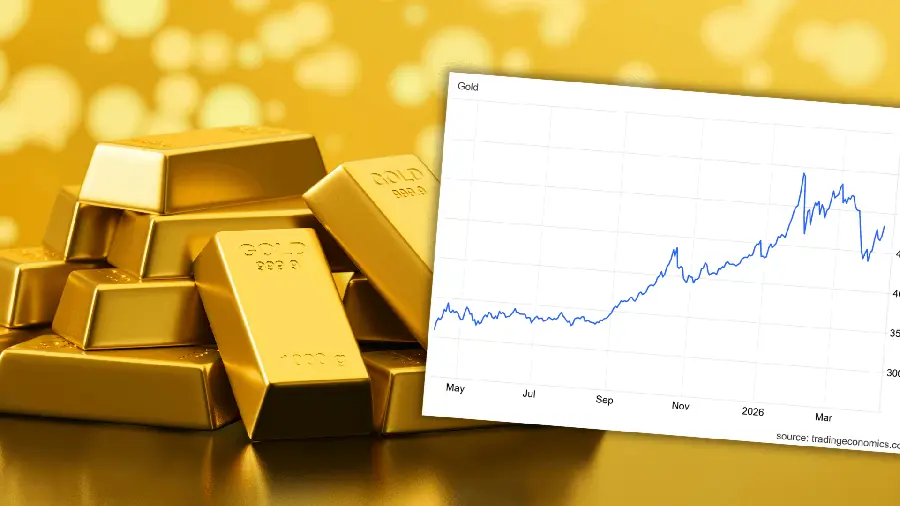
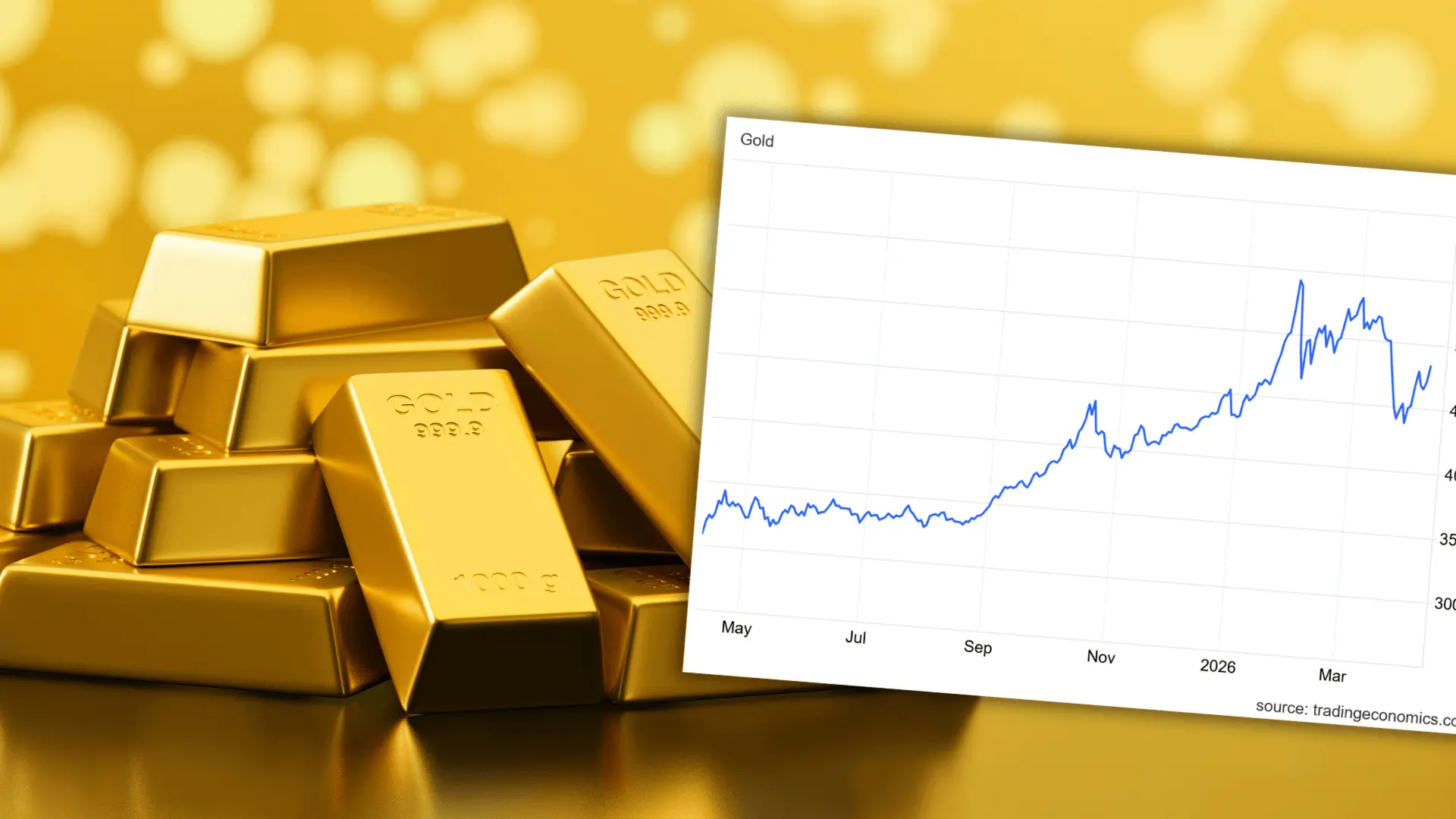
One ounce of gold currently costs just over $4,830, which means a jump of 2.7% per day. Over 30 days the metal lost 6% of its value. Over a year it rose by 56.7%.
Chart. Gold spot price (XAU/USD)

Source: Trading Economics
One ounce of silver costs today about $77.6. Over the last day the metal rose by 6.3%. Over 30 days the rate fell by as much as 10%, although over a year we still talk about a rise of up to 150%.
Chart. Silver spot price (XAG/USD)

Source: Trading Economics
Read also: Gold price changed! Soon a correction or a spike? Expert says what’s next for XAU/USD
See also: Gold and silver price before the new ATH? Tensions on the USA‑Iran‑Israel line could accelerate a metal rally