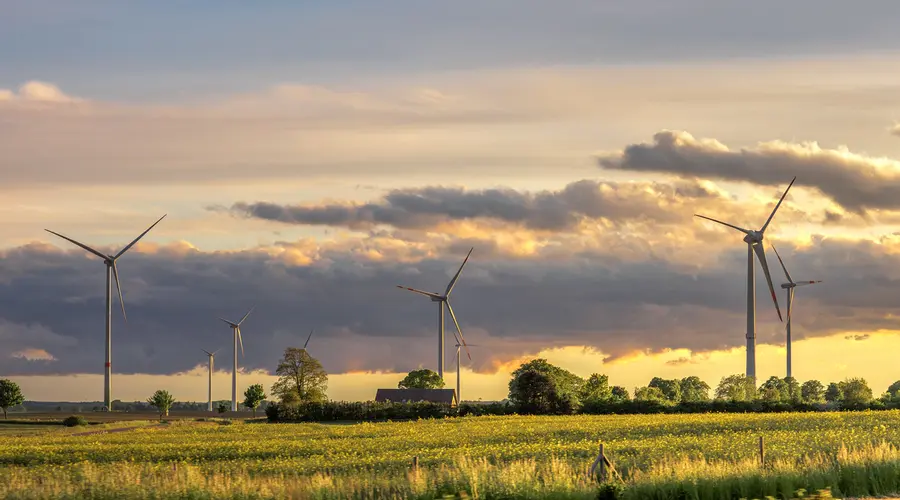
While we have no influence over the first factor, i.e., weather conditions, which makes renewable energy generation considered unstable, we do have influence over the second. In this regard, we still have much to do. A perfect example is what happened during Easter, when the intake of renewable energy was blocked because… there was too much of it.
Read also: Electricity can be cheaper? Expert: “Systemic changes are needed to achieve it”
Energy prices fell sharply
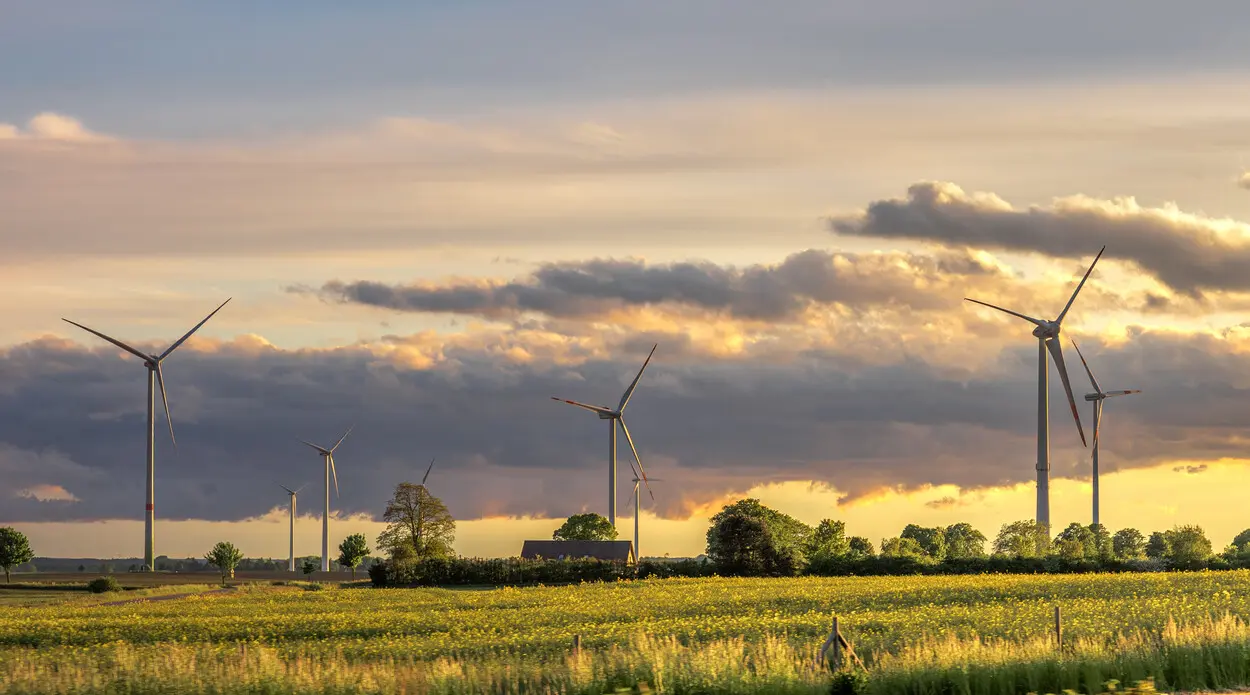
During Easter, both in Poland and across Europe, it was very windy and, in most cases, sunny. This caused both photovoltaic and wind power plants to produce large amounts of electricity. This translated into a drop in energy prices. On Good Friday in the Old Continent, the lowest spot price in history was recorded, which reached 210 euros per megawatt-hour. In Poland, this amounted to 910 PLN per MWh.
The next day, i.e., Easter Monday, prices in Europe were even lower. As the Instrat Foundation informed on X, the volume-weighted average for all hours of the day was 3 euros per megawatt-hour. This meant that between 14:00 and 14:15, the market offered only 163 euros, i.e., almost 694 PLN per megawatt-hour.
“The production of energy was characterized by the variability of PV and wind. In the most optimal moments, PV dominated the energy mix (~8 GW) with a double advantage over coal (second)” - we read in the Instrat post on X.
They limited the intake of electricity
Electricity generation from renewables for several hours on both the first and second days of Easter holidays reached over 70% of the national demand. Results could have been even better, but due to technical constraints the intake of electricity from these sources was limited.
“The system dropped to the technical minima of coal plants. Power‑and‑heat plants that added non‑sellable megawatts were still working. For these reasons, generation had to be limited renewables, especially wind. The peak was even cut to 5 GW” - explains the Instrat Foundation.
If that had not happened, there would have been a chance that renewable energy could cover 100% of the national demand. Would it have definitely happened? At this point we can only speculate, but looking at production results we can infer that there was a chance… and a big one. Especially since only 23 gigawatt-hours were reallocated from photovoltaic installations distributed in Poland within two days.
“Renewables have their drawbacks. It is an unstable source of energy. However, at this moment, ignoring the installations needed to provide stability for wind‑generated energy, such as energy storage, wind power plants are among the cheapest sources of energy” - emphasized Dr. Nikolina Poranek, renewable energy expert from the Silesian University of Technology, in an interview with FXMAG.
See also: Nuclear energy as a chance for low electricity prices? Expert: “You can talk more about stabilization than price reduction”