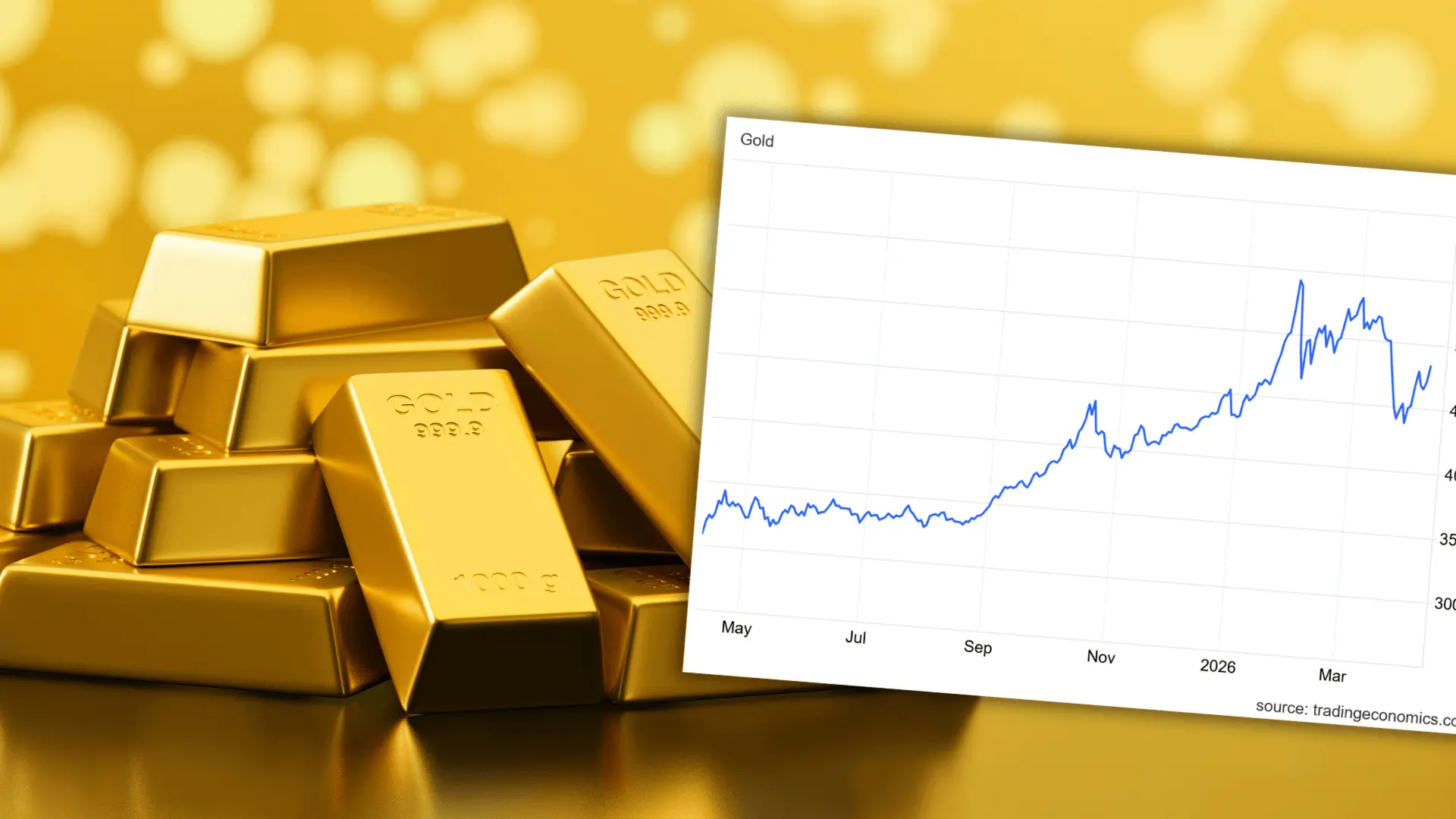
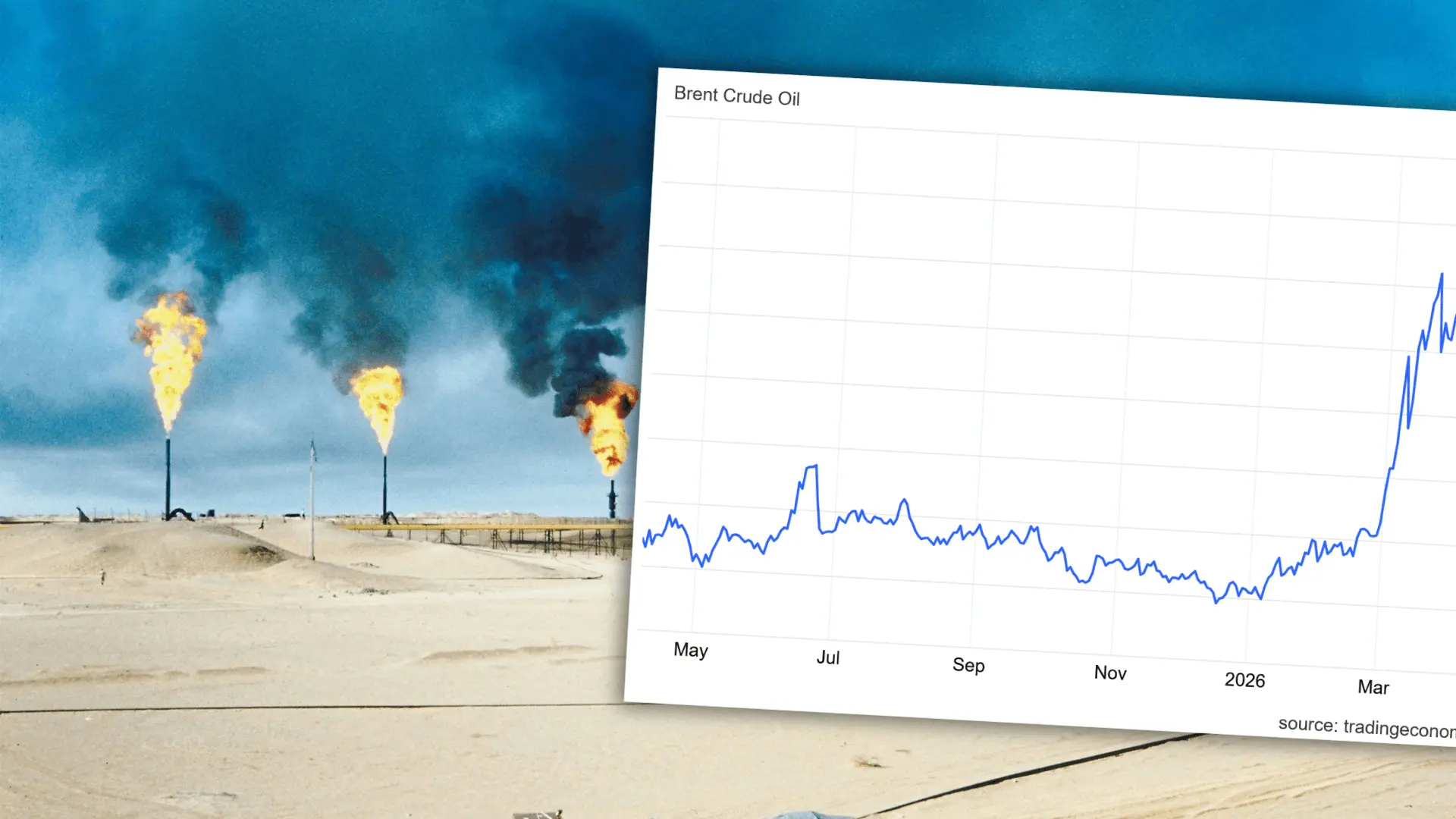
The outbreak of war in the Middle East and the almost complete closure of the Strait of Hormuz have significantly raised energy commodity prices, which in turn has led to higher inflation. In March the Polish CPI indicator was 3.0% YoY compared to 2.1% YoY the month earlier.
Under such conditions the Monetary Policy Council will most likely stabilize interest rates and continue a “wait‑and‑see” policy, and the ceasefire between the USA and Israel and Iran does not change these expectations. The implementation of this scenario is aided by the introduction of protective measures in fuel price terms.
At 20:00 a protocol from the last Fed meeting, which took place on 17–18 March, will be published. Particular attention will be paid to the differing views among central bankers regarding interest‑rate outlooks. Nevertheless, in our view this document should not significantly affect the Fed’s interest‑rate pricing by markets, which currently indicates their stabilization until the end of the month.
Israel Supports the Decision to Suspend Attacks on Iran
In the sixth week of fighting, the USA and Iran agreed to a ceasefire. It is to last two weeks, creating space for further negotiations. Israel supported the decision to suspend attacks on Iran, while announcing that the agreement does not cover Lebanon, where – according to reports – fighting and Israeli attacks are to continue.
From the perspective of the global economy, the key consequence of the agreement is the opening of the Strait of Hormuz by Iran, strategic for global energy commodity trade. The actual impact on increasing oil and natural gas supply remains uncertain due to damage to extraction and transport infrastructure.
US President D. Trump indicated that the potential agreement covers 15 points, most of which – according to him – have already received preliminary approval from both sides. The announcement of the ceasefire itself promotes improved market sentiment and reduces short‑term economic uncertainty.
This effect may, however, be temporary, as repeated changes in the stance of the US authorities continue to raise concerns about the durability of the agreement and the fulfillment of ceasefire obligations.
Equity Indices Rose by Nearly 5%, Oil Prices Fell to $93
Yesterday’s session in the USA ended with a majority of index gains, and market participants awaited the US final deadline for the Iran negotiations ultimatum.
Just before that, the USA and Iran agreed on a ceasefire, and Iran announced free passage of ships through the Strait of Hormuz for the next two weeks.
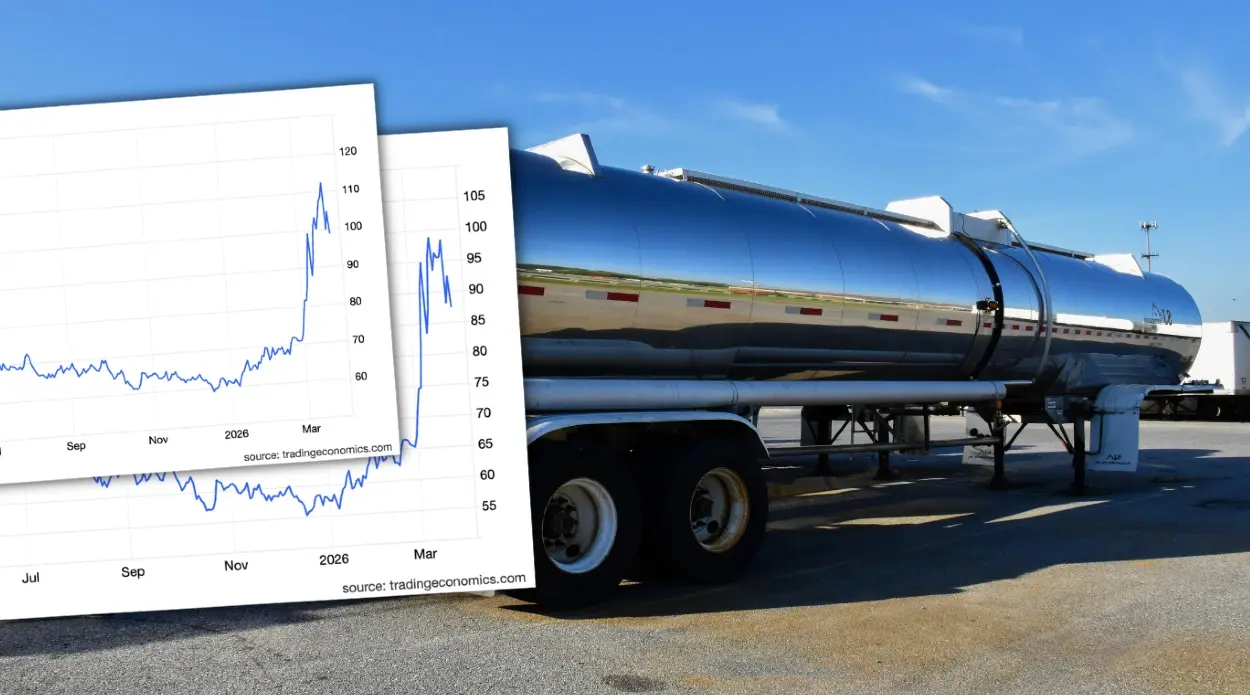
Contracts on European equity indices rose by almost 5%, and oil prices fell to $93 per barrel.
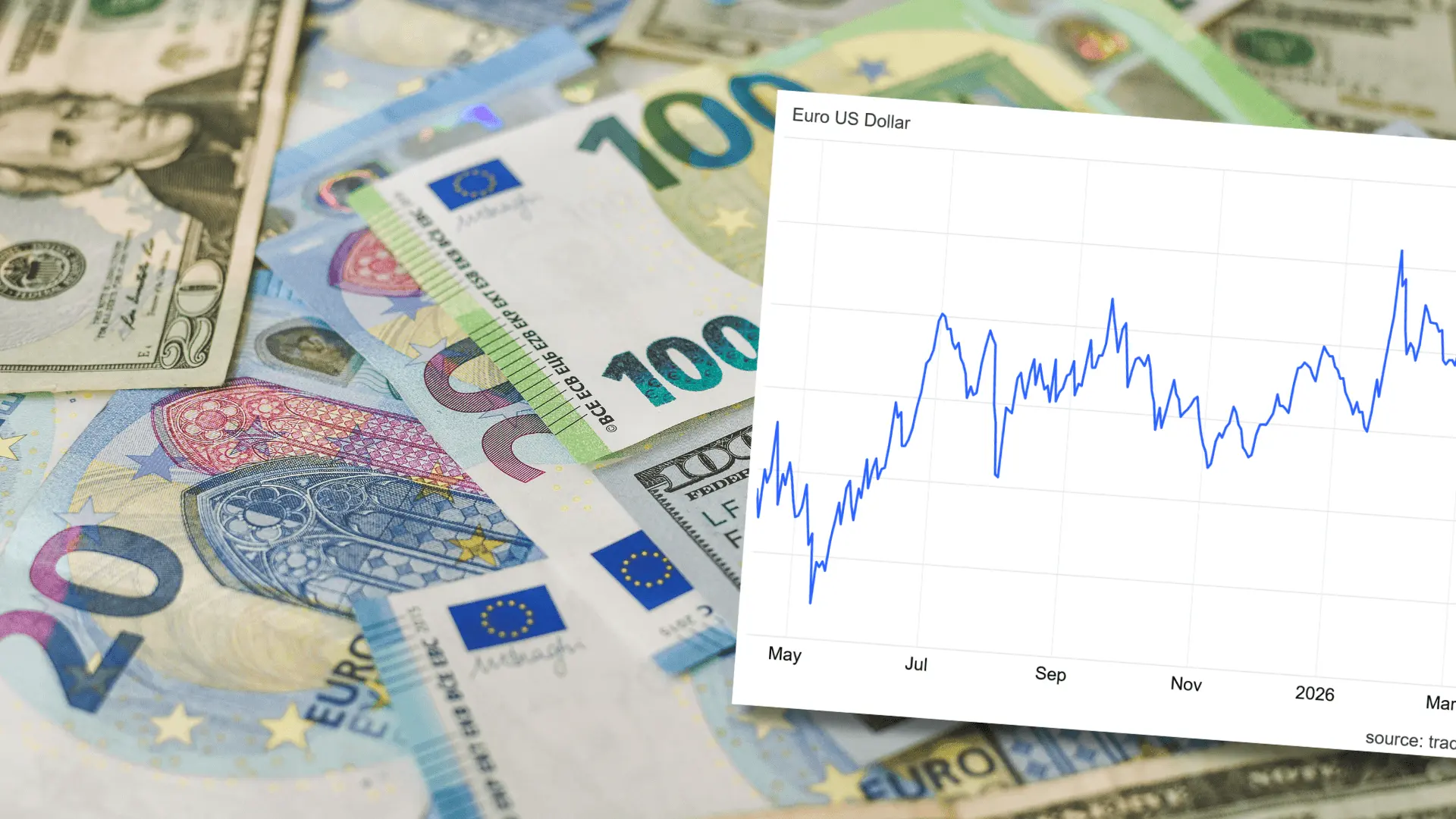
At the opening, the zloty was slightly stronger compared to yesterday’s close near 4.25, with the euro against the dollar at about 1.17 versus about 1.16. US Treasury yields fell by about 15 basis points (versus a rise of 50 basis points since the start of the Iran‑USA‑Israel conflict) and a similar reaction may occur in the German and domestic markets.
Today the market may focus on retail sales data for February from the eurozone, which are expected to show a slight slowdown, and on the Fed protocol, although geopolitical events and oil price behavior will remain decisive for market sentiment.
In yesterday’s session, equity markets recorded small index declines, and sentiment was not helped by the continued tensions around the Middle East situation and the expectation of the deadline for the agreement set by the USA for Iran (April 9 at 2 am).
EURPLN Rate Rose During the Day from About 4.27 to About 4.28
The EURPLN rate rose during the day from about 4.27 to about 4.28, reaching a significant local resistance level. The zloty lost value despite the gradual strengthening of the euro against the dollar.
On the domestic interest‑rate market, swap rates rose by about 10 basis points and bond yields rose by about 10–15 basis points after key support levels were reached. This market behaviour was influenced by rising oil prices and the situation in base markets.
Yesterday the Ministry of Finance priced three tranches of benchmark USD bonds with a total value of 6 billion USD (5Y, 10Y and 30Y) with spreads of 65–130 basis points over US Treasury yields. Yields were 4.65% (5Y), 5.41% (10Y) and 6.23% (30Y).
According to the finance ministry, the announced demand was substantial. The issuance was carried out under the US Treasury bond issuance program (SHELF), approved by the US Securities and Exchange Commission.
On European equity markets, index declines dominated and the day also started with US indices moving down, although the declines were not significant and hovered near a maximum of 1%. In oil markets, openings saw rises to about $111 for Brent and about $116 for WTI.
OPEC+ countries declared increased production limits from May, but the decision is mainly symbolic, as key producers cannot increase output under logistical and geopolitical constraints.
In principle, market participants were waiting for the deadline set by the USA for Iran to reach an agreement and open the Strait of Hormuz by 2 am Wednesday Central European Time.
The Dollar Gradually Lost Value
D. Trump threatened “total destruction” during the day. The dollar gradually lost value against the euro, to about 1.158 from around 1.1515 after reaching significant support for the EURUSD rate in the previous week near 1.145, continuing a slight upward trend.
The EURUSD rate rose under the influence of expectations for rate hikes in the eurozone, partly due to central bankers’ statements from the ECB. D. Radev said the central bank must be ready to raise rates if price pressure appears. Meanwhile, the head of the Belgian central bank, P. Wunsch, said that in April a rate hike cannot be ruled out.
The Japanese yen again slightly lost value, reaching significant resistance levels. In the early part of the day, base debt markets saw a slight strengthening, but later bonds fell. The 10‑year Treasury yield rose during the day to about 4.37% from about 3.34% at the open.
Meanwhile, the 10‑year Bund yield rose to about 3.8% from 3.01%. One of the reasons was the rise in oil prices, which proved more significant than weak Sentix or weaker‑than‑expected durable goods order data.