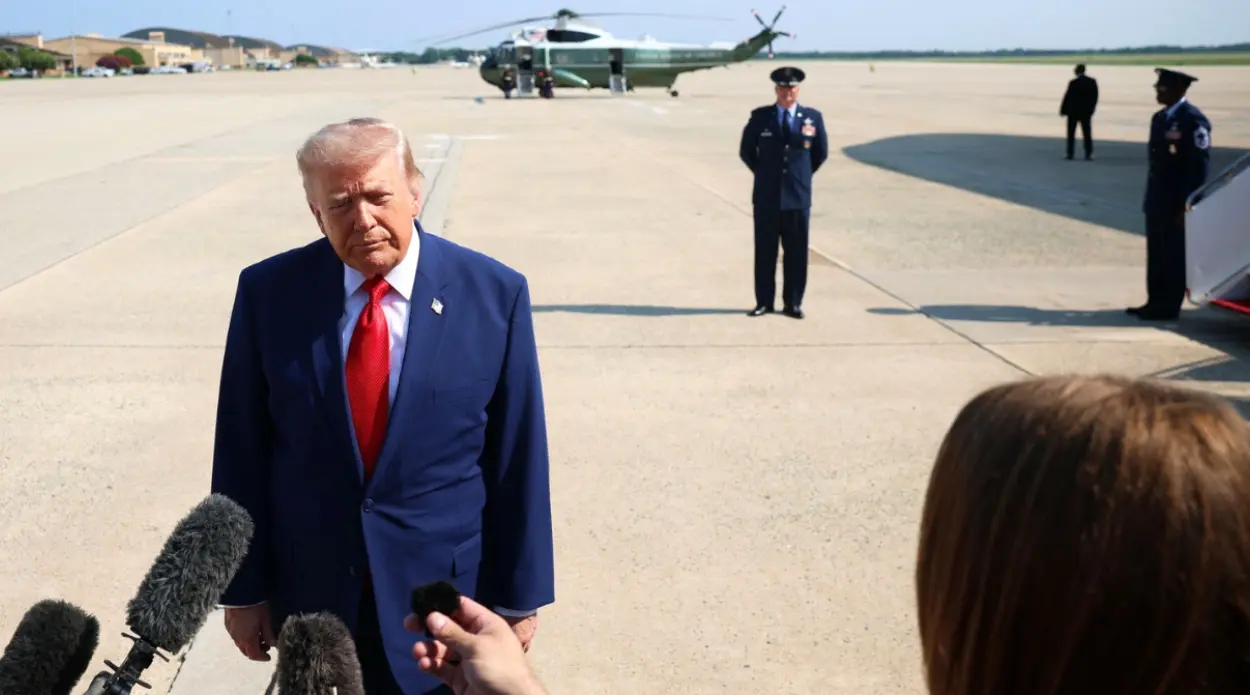
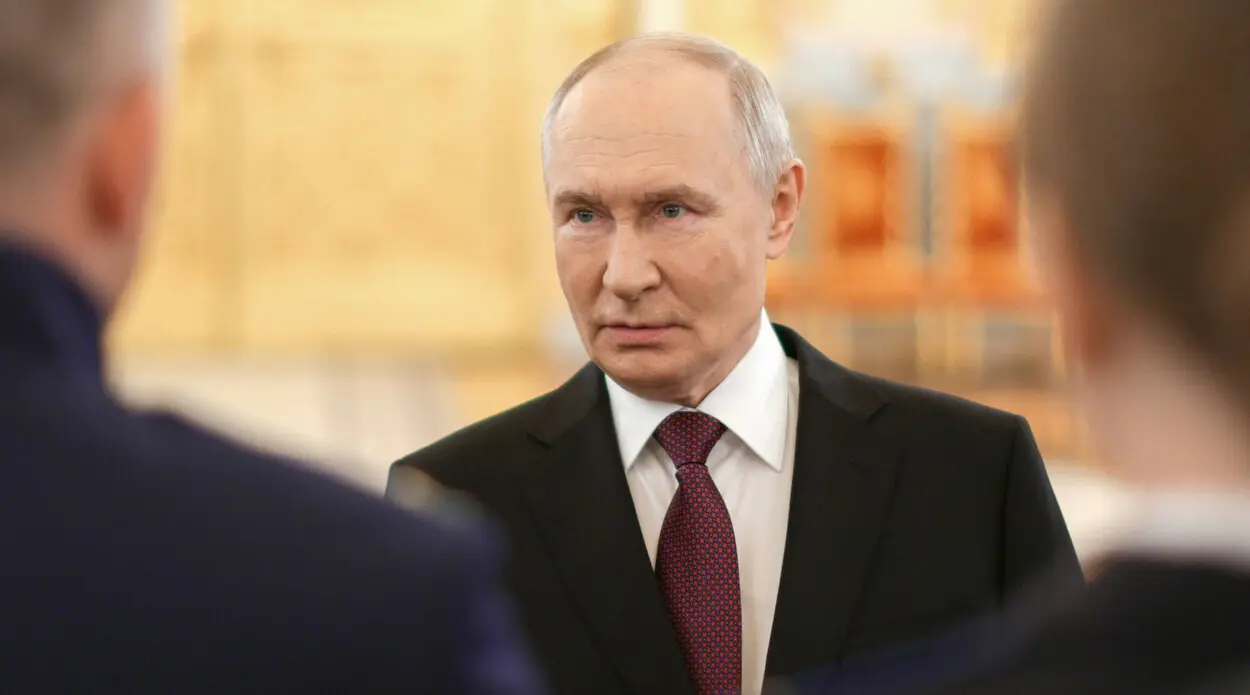
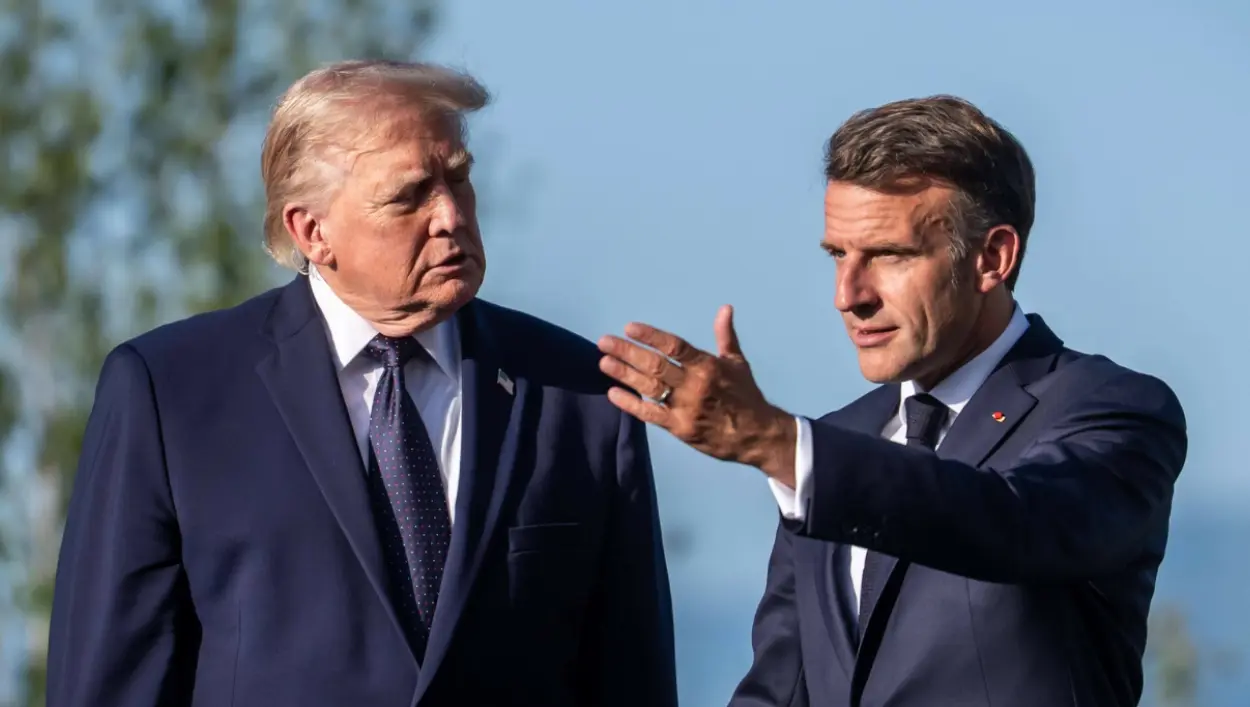
Keir Starmer admitted that he is "fed up" with the situation in which British families and businesses become hostages of the global price roller‑coaster.
Energy rollercoaster under the diktat of great powers
The British energy system, despite many attempts at diversification, remains extremely vulnerable to .
The Prime Minister of the United Kingdom stated that the bills of Britons are constantly changing, not because of local decisions, but due to actions taken in Moscow and Washington.
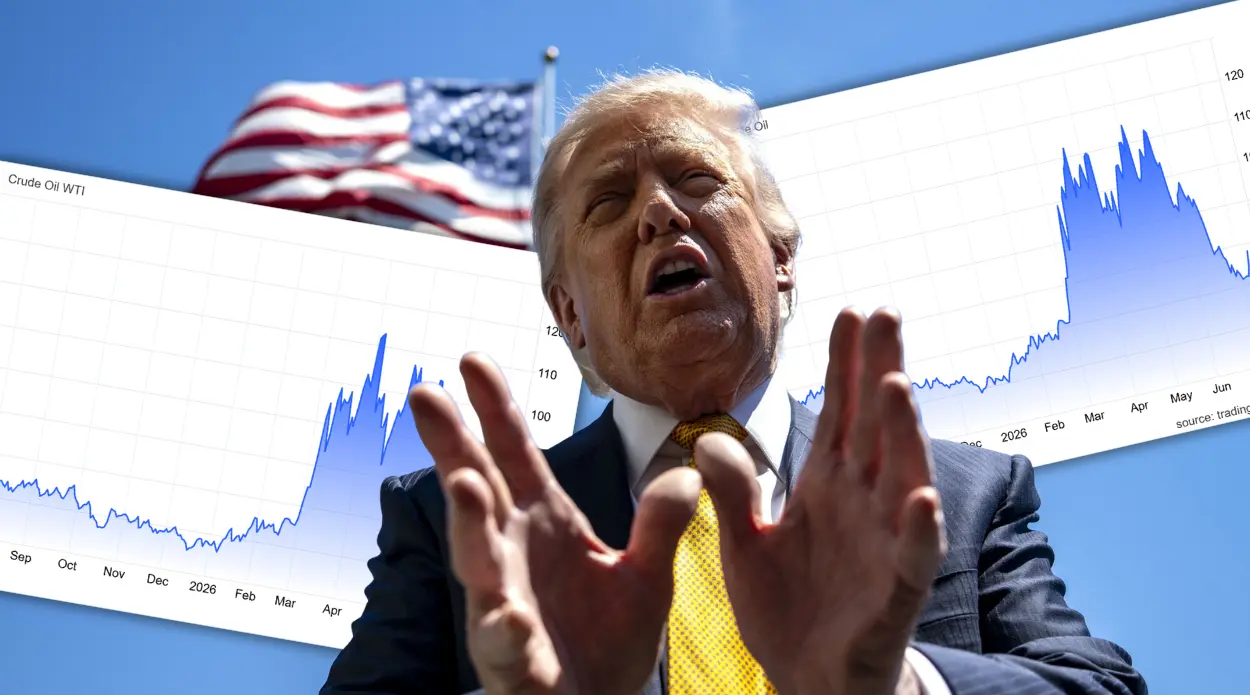
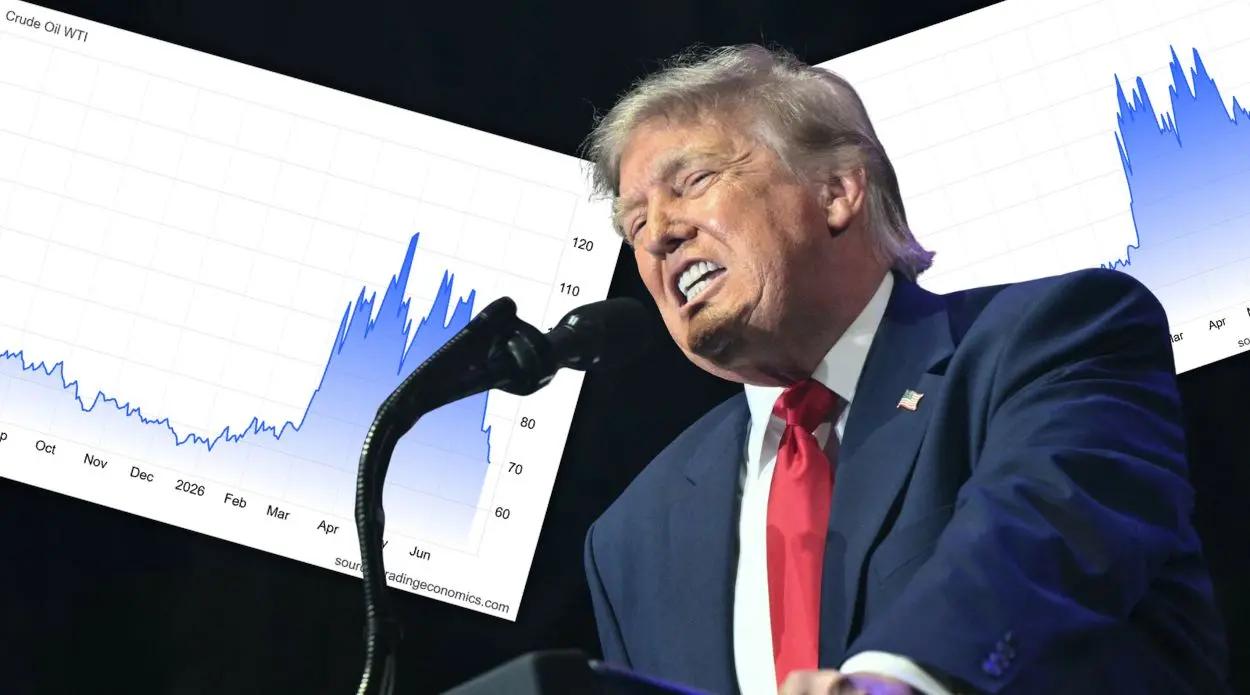
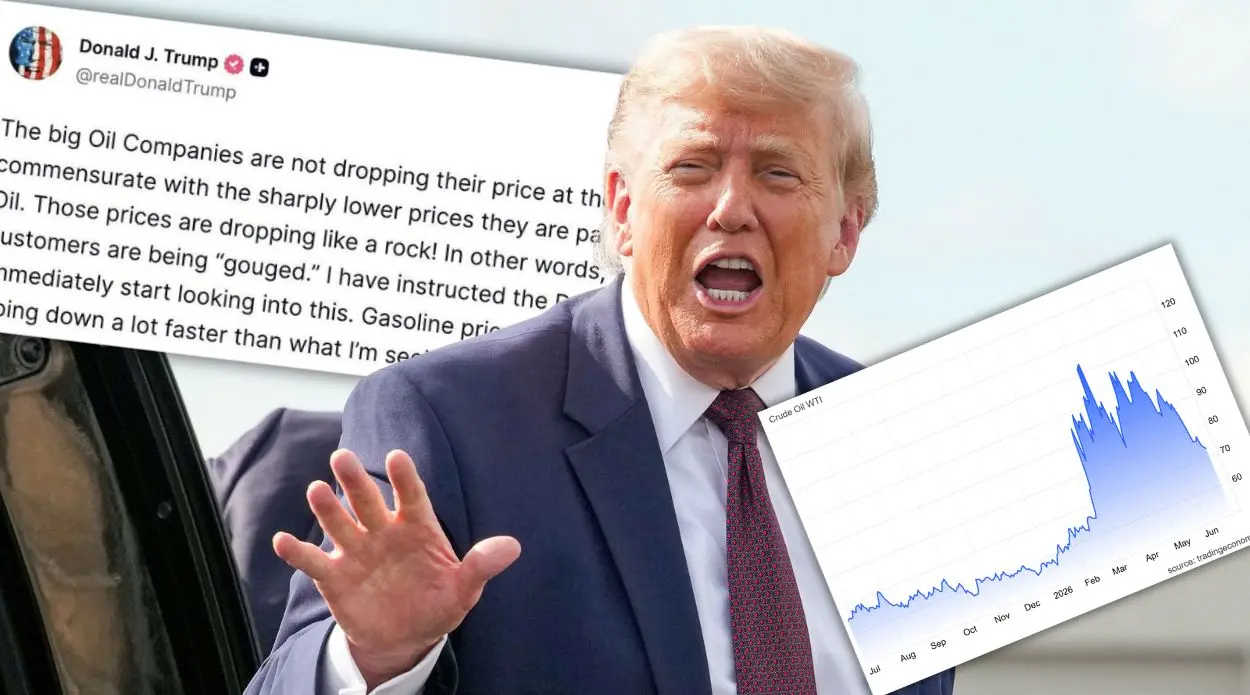
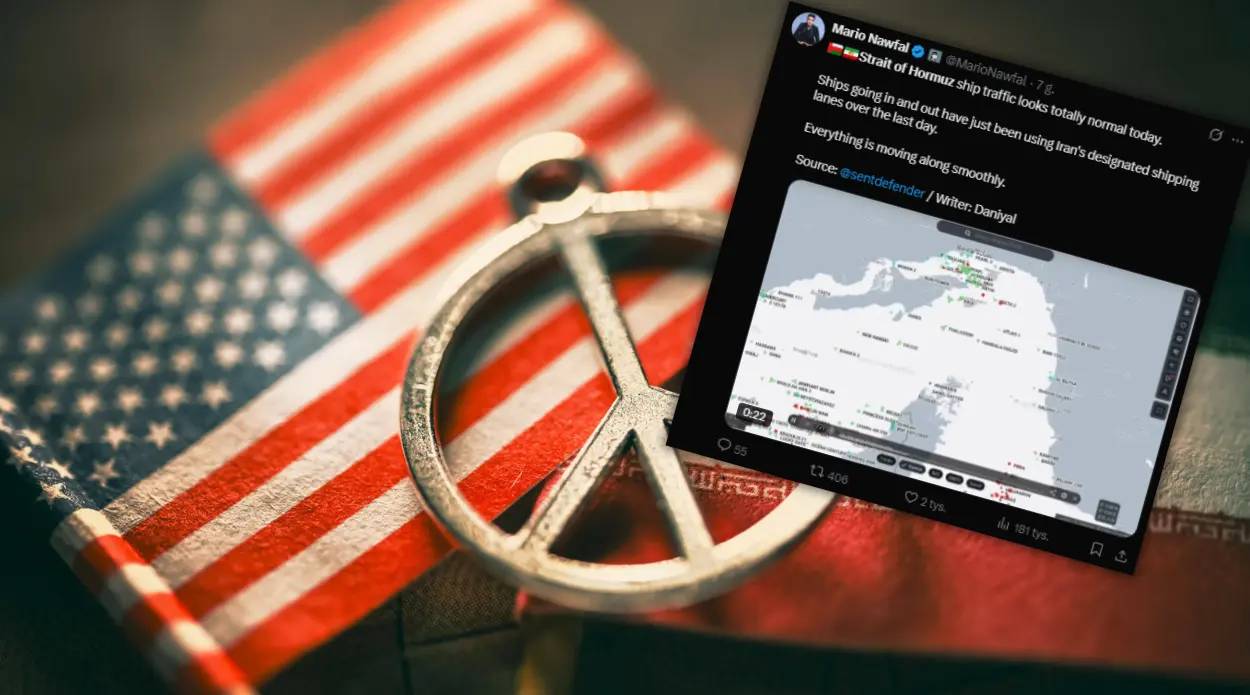
For financial markets this is a clear signal that London feels besieged by the current situation. Oil prices, which surged sharply due to the ongoing conflict between the United States and Israel with Iran, currently show extreme volatility.
One post, a news dispatch, or reports of a renewed missile attack can shake the market and push the price of an oil barrel above the psychological barrier of 100 USD.
All of this is happening during the fragile two‑week ceasefire that is currently hanging by a thread.
Starmer also named the second culprit of the UK’s economic situation as the President of Russia, Vladimir Putin.
The Russian invasion of Ukraine in February 2022 changed the architecture of Europe’s energy security, and the war, which has already claimed hundreds of thousands of lives, demolished global supply chains and triggered a price shock from which the United Kingdom cannot fully recover.
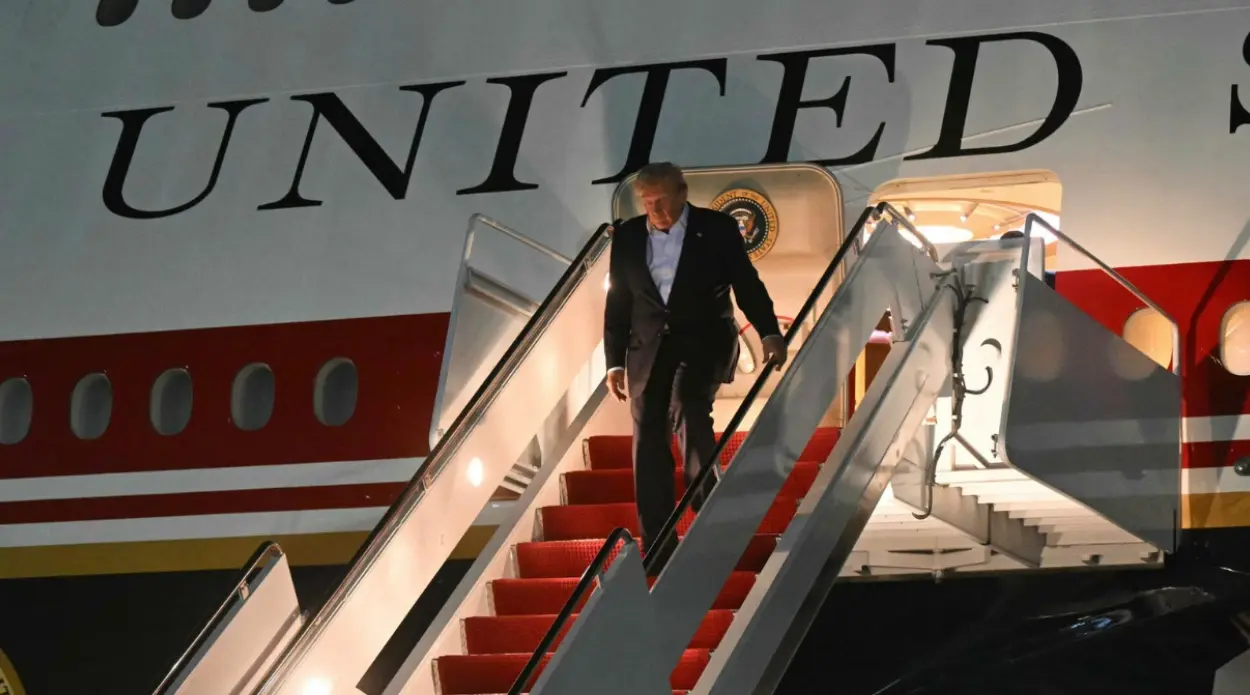
The Prime Minister of the United Kingdom suggests that the unpredictability of the "America First" policy and Trump’s confrontational style towards Iran add fuel to the fire.
In the face of the ongoing conflict in the Middle East, which has spread across the Persian Gulf countries, every escalation by the USA triggers an immediate reaction in commodity markets.
Everything points to the fact that for Starmer Trump is not a guarantor of stability, but another factor generating chaos.
See also: Dollar rate in the shadow of the Middle East conflict. Expert: "Hard to compromise." What could happen to USD/PLN, EUR/PLN and EUR/USD
Washington comments on Starmer’s statement
White House press secretary Anna Kelly defended the actions of President Trump, arguing that world leaders have debated the threat from Iran for decades without doing anything concrete.
According to the US administration, Trump took "bold steps" to prevent Tehran from acquiring nuclear weapons.
Kelly emphasized that Washington is close to reaching a final agreement that will bring lasting peace. Ultimately, the decision will be made in the upcoming talks in Pakistan.
Unfortunately, this official narrative diverges sharply from reports by officials from Oman, who participated in negotiations between the US and Iran that directly preceded the outbreak of war.
According to them, the issue of enriched uranium and nuclear weapons had already been agreed upon, and Iran completely renounced possession of such armaments, which was also prohibited by the fatwa of the late Ayatollah Ali al‑Chamenei.
Pressure on commodity markets remains huge, felt by Europe, America, and Asia alike.
The price of Brent futures contracts on Friday, April 10, reached 96 USD per barrel.
Chart. Brent futures contract price

Source: Trading Economics
WTI futures contracts cost 98 USD per barrel.
Chart. WTI (West Texas Intermediate) futures contract price

Source: Trading Economics
See also: Will fuel prices fall soon? Oil could cool to 40 USD per barrel. Piotr Cymcyk for FXMAG