Trump’s Ultimatum for Iran Passes Tonight
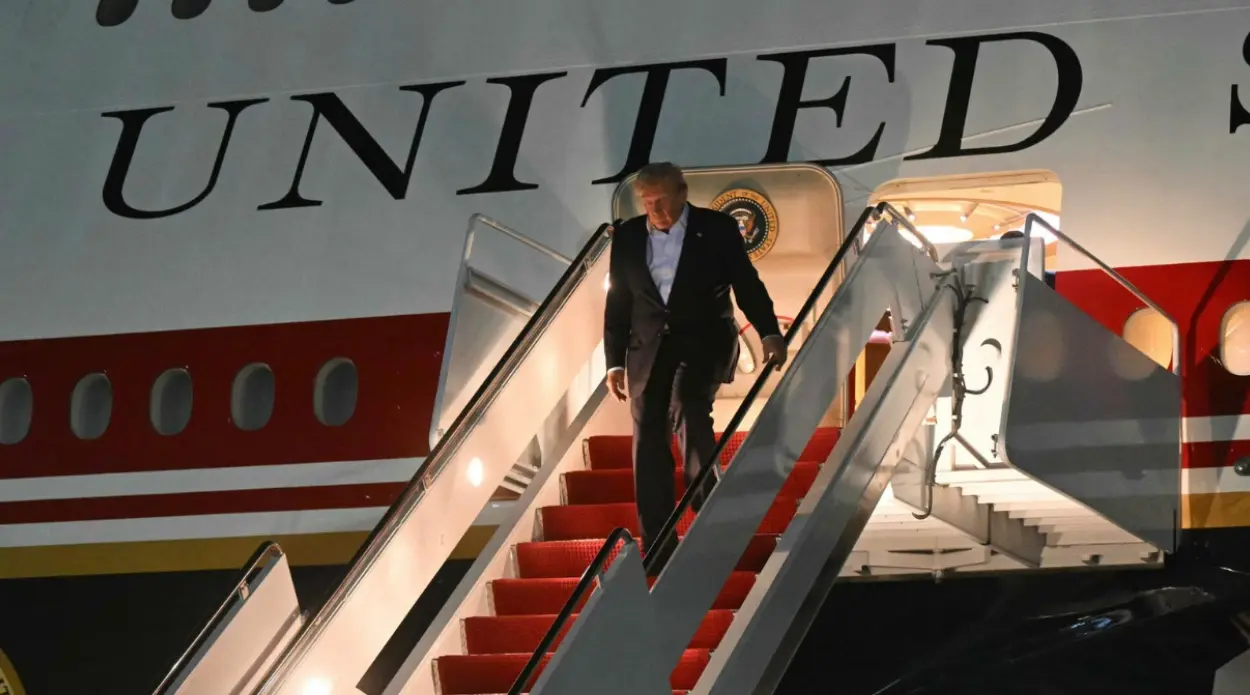
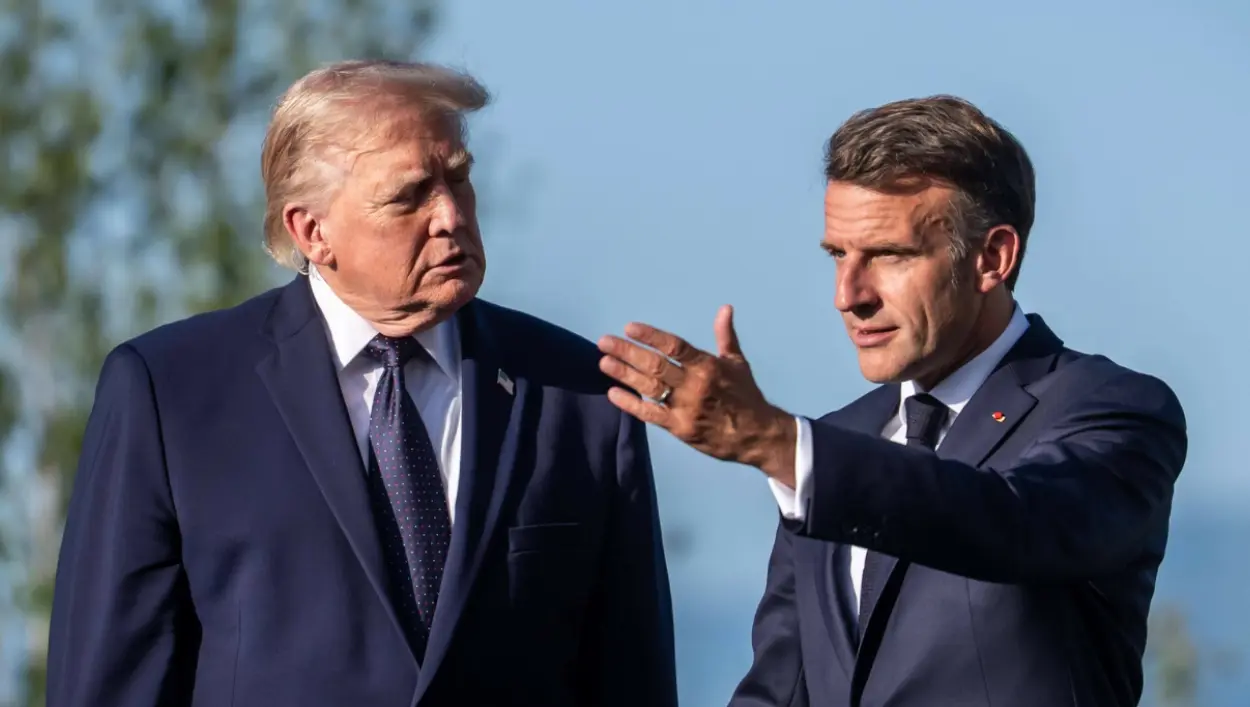
The ultimatum issued by Donald Trump (deadline tomorrow at 02:00 Polish time), threatening a massive strike on Iranian civilian infrastructure if full shipping is not resumed, shows that the stakes are no longer just a war with Iran, but also control over the security of global energy supplies. Tehran rejected the ceasefire proposal, demanding a permanent end to the war, lifting sanctions, and rebuilding the country, meaning that the space for a quick compromise remains very limited.
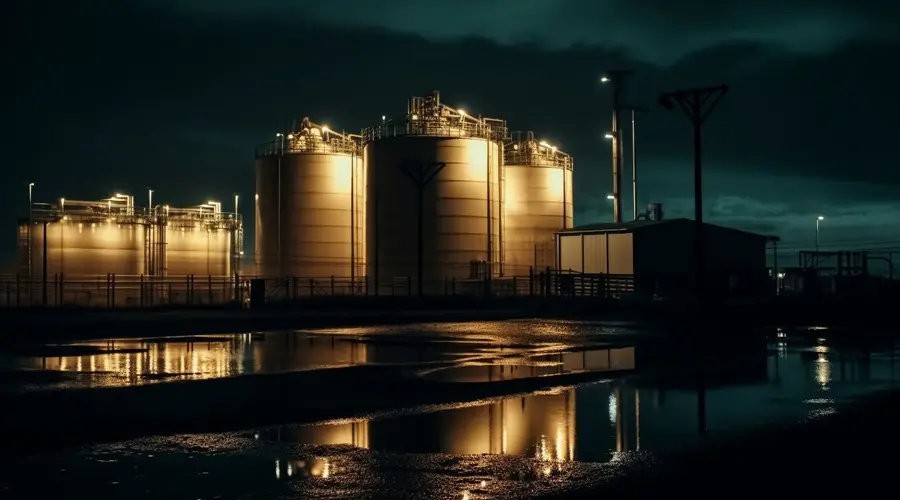
From a political perspective, the conflict has entered a dangerous escalation stage, as both sides signal readiness to further raise costs. The United States and Israel are increasing military pressure, while Iran simultaneously maintains hard negotiating terms and expands retaliatory actions against energy targets in the Persian Gulf region. Attacks on petrochemical facilities, missile and drone strikes, and threats to destroy bridges, power plants, and transmission infrastructure show that the war has ceased to be a limited conflict.
It increasingly resembles an attempt to break the opponent through state paralysis and its economic base. Additionally, there is a risk of the war expanding to other regional states, especially as Pakistan, Egypt, and Turkey are involved in the mediation process, and Gulf states become indirectly exposed to the effects of retaliatory actions.
The Problem Is No Longer Oil Price, But Its Availability
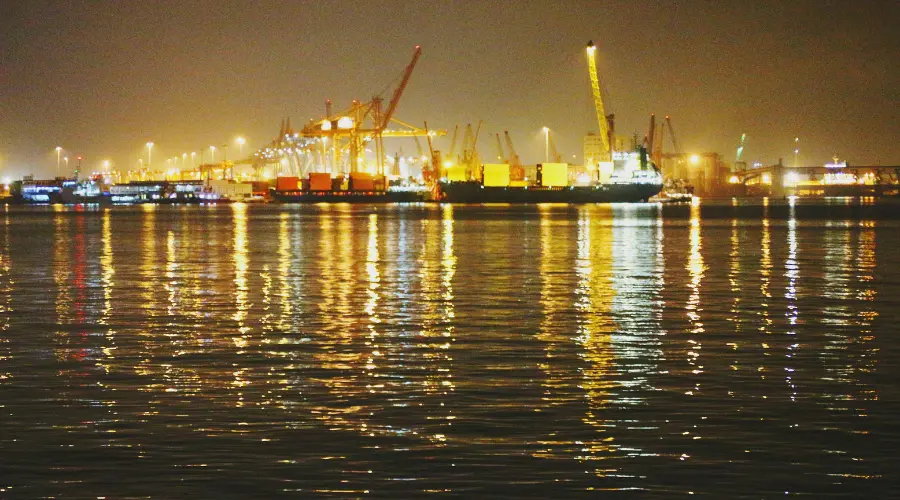
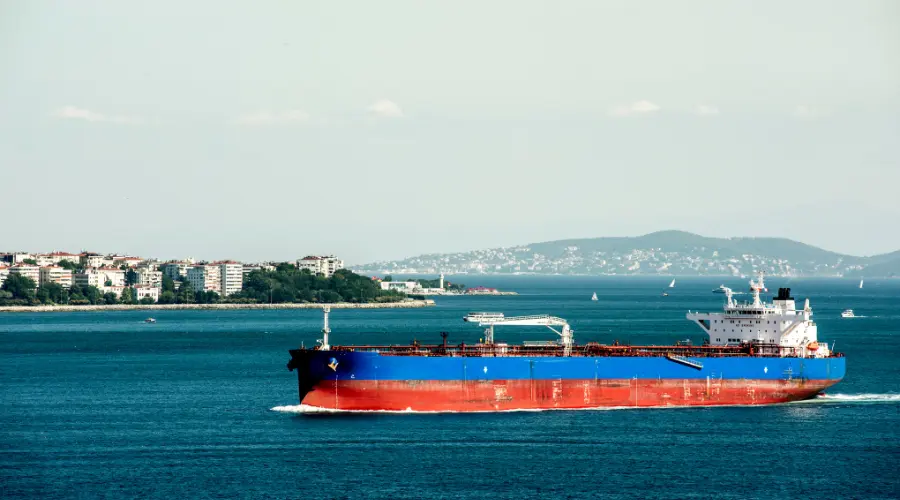
The most important consequences are seen in the oil market. The Strait of Hormuz normally accounts for about one‑fifth of global oil and LNG exports, so even partial restrictions on ship traffic act as an immediate supply shock. Tanker traffic in the region fell by about 90% compared to pre‑war levels, and some LNG cargoes from Qatar were halted. This means the problem is no longer just the raw material price, but the real physical availability of supplies.
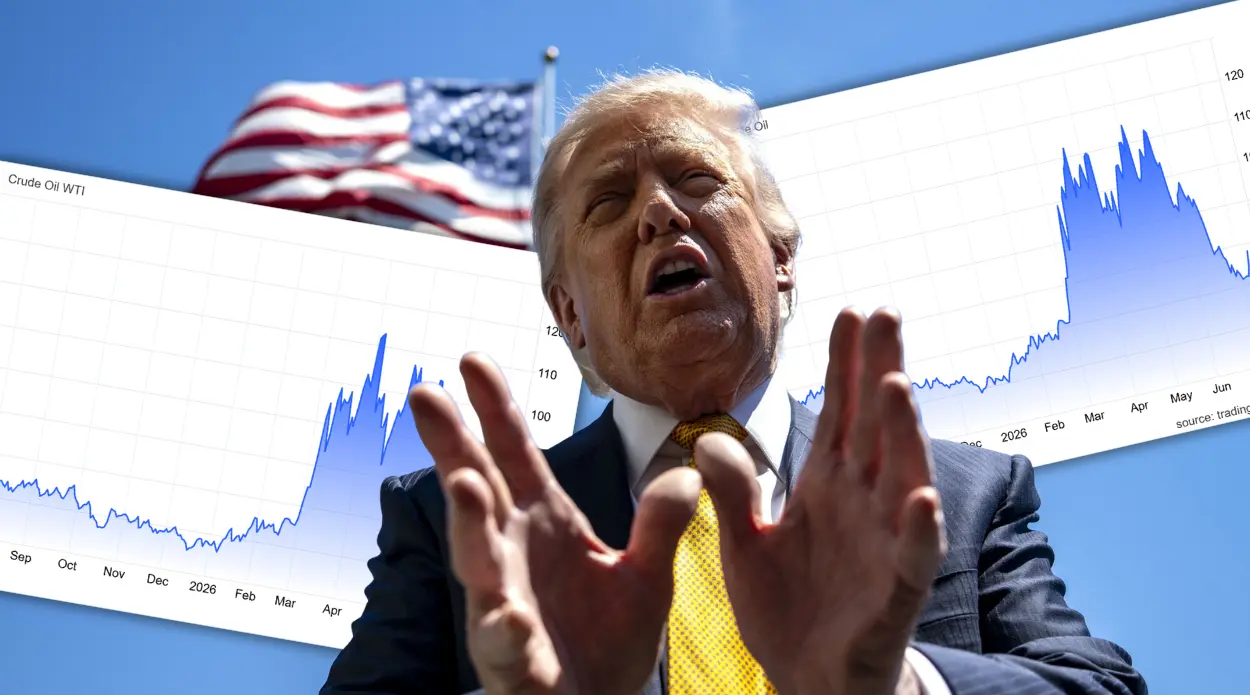
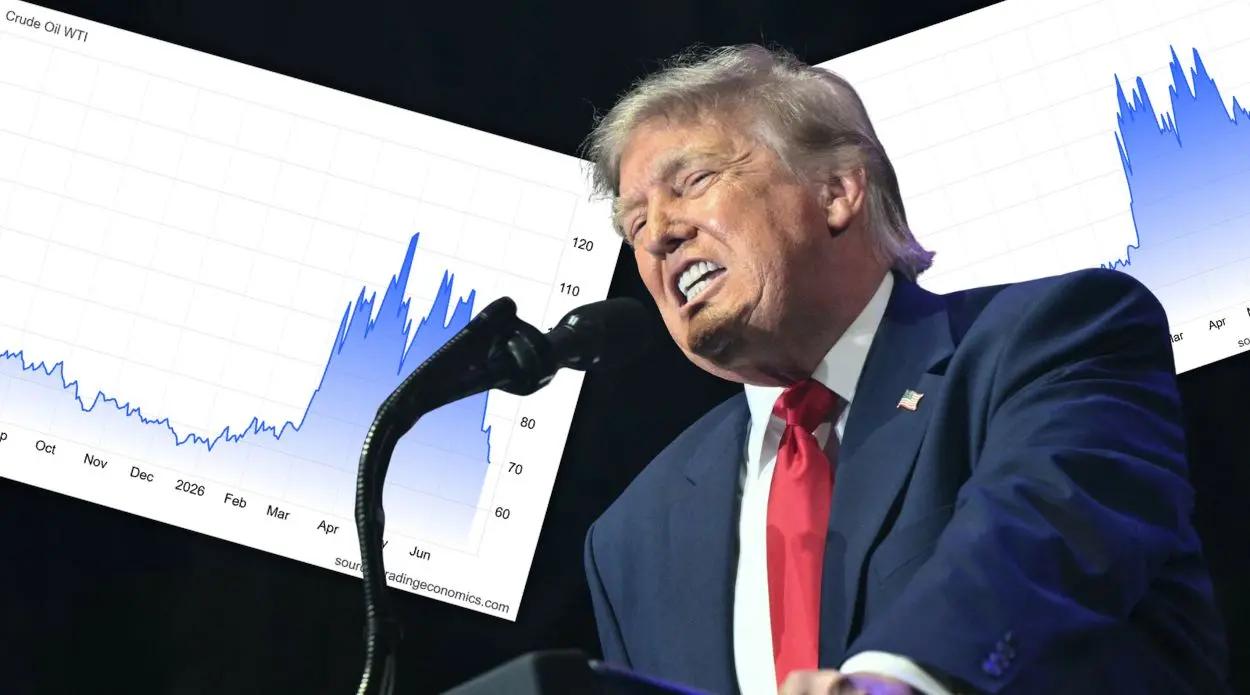
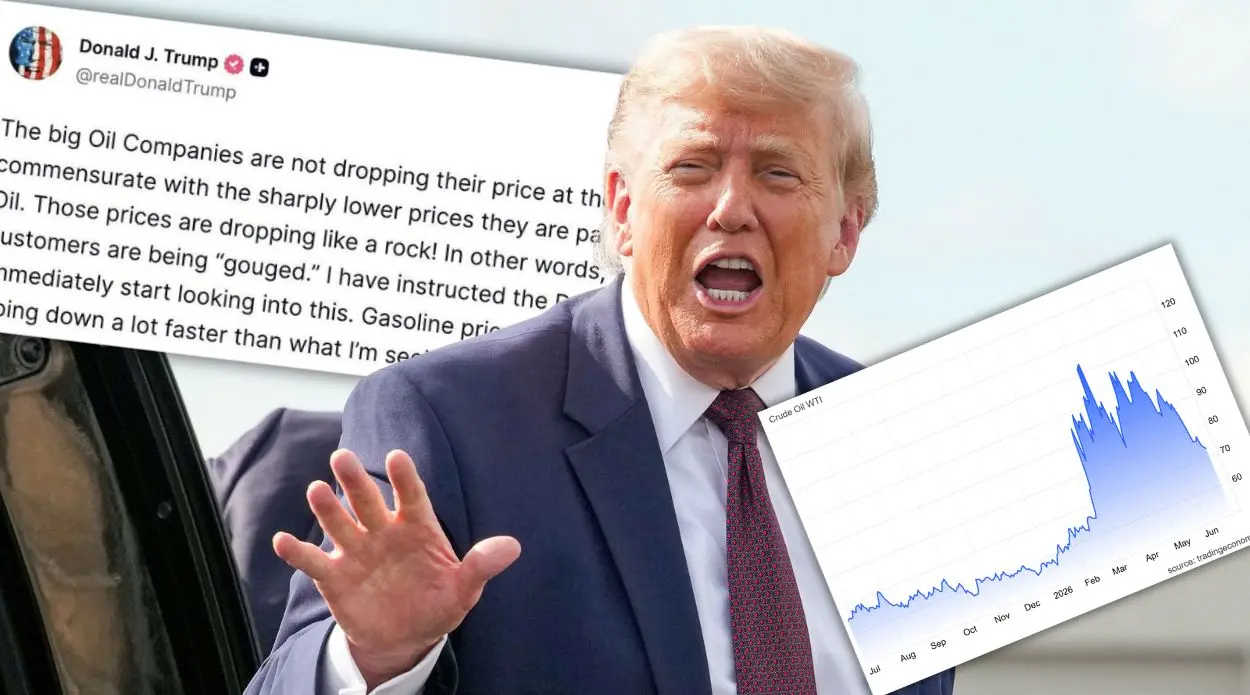
Under such conditions oil prices rose sharply: Brent surpassed $112 per barrel, and U.S. WTI rose to $113.
The market reacts not only to current disruptions but primarily to the risk premium, i.e., the valuation of the probability of further escalation and prolonged transport restrictions.
It is also important that traditional oil market stabilization mechanisms are currently ineffective. The formal increase of production limits by OPEC+ is largely symbolic if war hampers real export and production by some alliance members. The market pays more attention to infrastructure and transport security than to nominal cartel decisions.
Saudi Arabia’s move, raising its main oil price for Asian buyers to a record premium, also confirms this. Such a step suggests that the largest exporters are not only trying to exploit the tense situation but also to secure margins under extremely limited supply conditions. For Asian importers this means higher processing costs and further pressure on energy and derivative product prices.
Strategically, Iran is now in a paradoxical position. On one hand it bears enormous military, infrastructure, and human costs, and on the other it retains the ability to exert disproportionately large influence on the global economy thanks to its geographic position. Control over access to Hormuz remains its most important bargaining chip.
Tehran knows that fully opening the channel without political guarantees would weaken its negotiating position, but a prolonged blockade increases the risk of an even stronger military response from the U.S. and Israel. This makes the current stalemate exceptionally unstable. For Iran, maintaining maritime pressure is a political survival tool, while for the West and regional states it becomes a boundary beyond which the conflict could enter an even more destructive phase.
The Iranian Crisis Is No Longer a Local War
The whole leads to the conclusion that the Iranian crisis is no longer just a local war, but one of the main risk factors for the global energy market. As long as a lasting agreement covering shipping security in the Strait of Hormuz is not reached, the oil market will remain a hostage to military events. This means sustained high price volatility, inflationary pressure, and growing importance of geopolitics in shaping energy costs.
In the short term, escalation logic dominates over de-escalation, so the outlook for oil remains upward and burdened by a high risk premium. In the longer horizon, the conflict shows how strongly the global economy still depends on the security of a few narrow transport chokepoints and how easily a regional war can turn into a global commodity crisis.