Series of price increases on the GDT exchange
Thus, the series of strong declines that began in the second half of 2025. Nevertheless, dairy product prices are currently clearly below the levels of the corresponding period of the previous year. The steepest price drop is observed for butter (-42.8% y/y) and whole milk powder (-29.0% y/y). In a smaller scale, cheese prices fell (on average about 20.9%) and skim milk powder (-18.0% y/y).
Thus, the price relationship between milk fat and protein has significantly decreased. The impulse for a slight upward price correction on the global milk market came from recent auctions on the GDT exchange in New Zealand. Since the beginning of the month, over five consecutive auctions, prices rose there, with a cumulative increase of 19.2%. The GDT exchange in New Zealand has certain leading properties compared to the global milk market situation, especially regarding dairy powder prices, and is treated as a barometer of the market situation.
Milk surplus will remain at least until Q2.
However, it is worth noting that the pace of milk supply growth among the largest global dairy exporters remains significant. In Q4, milk deliveries increased by 4.2% y/y compared to a 3.2% rise in Q3, a growth rate not seen since 2021. The increase in milk supply has a wide geographic range and is observed in most key markets: New Zealand, the EU, the USA, and Argentina. Only Australia has seen a decline in milk production. A notable strong increase in EU milk deliveries in countries such as Germany, France, or the Netherlands, where production has been in a clear downward trend for recent years, deserves special attention.
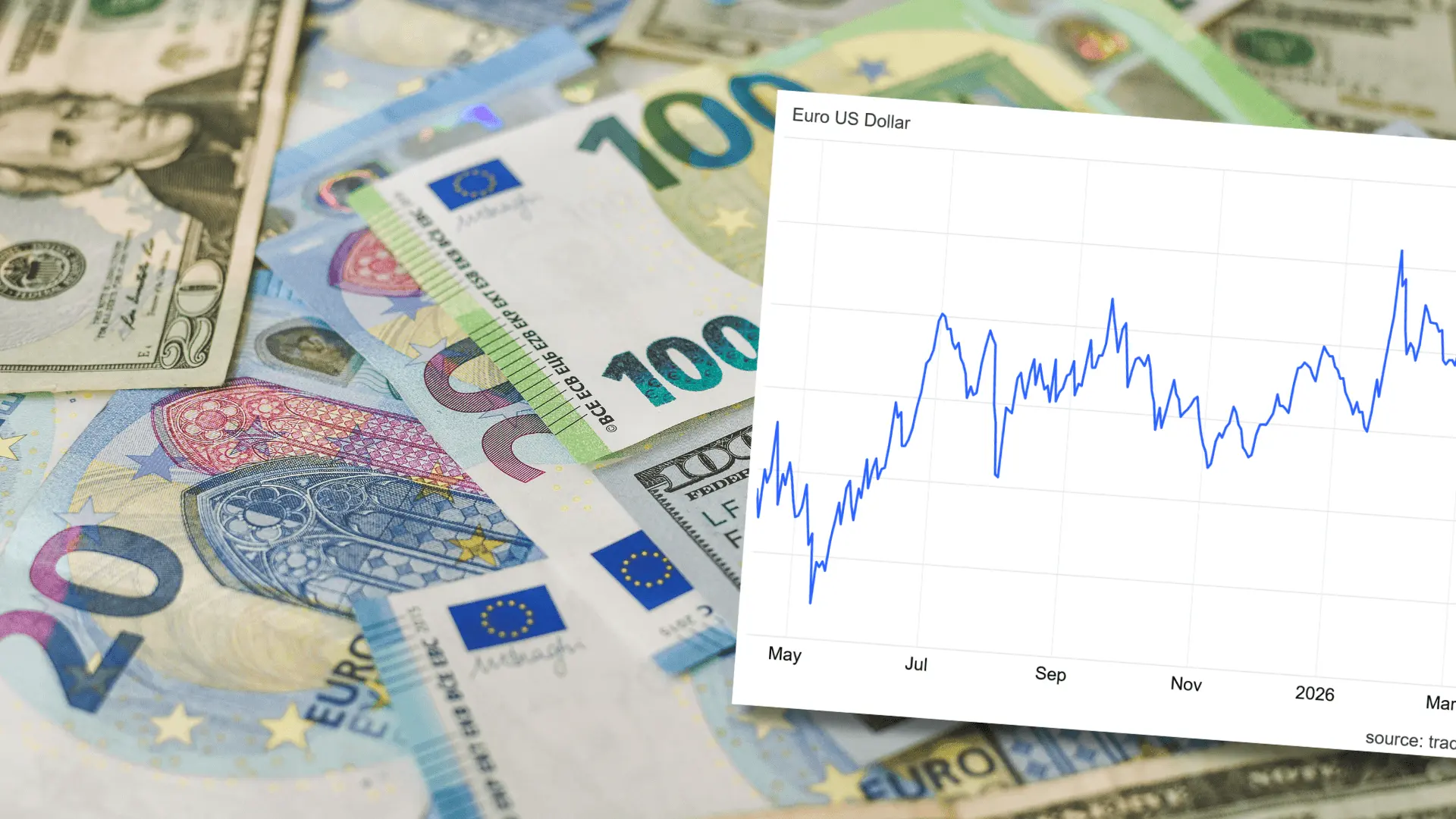
The source of the revival of milk production in Europe was exceptionally favorable agrometeorological conditions in the summer (no heat stress, abundance of cheap feed). At the same time, despite the revival of demand for dairy products, its growth cannot compensate for the higher milk supply. Moreover, an additional negative factor for dairy product prices in the EU is the relatively high historical EURUSD rate, which weakens the competitiveness of EU exports in third markets, increasing the surplus of milk in Europe.
The pace of reducing the surplus is the main risk factor
We believe that dairy product prices have probably already reached their minimum. Nevertheless, a sustained improvement in price conditions will only be possible with a reduction of the milk surplus on the market. In our assessment, the elevated growth of milk deliveries will remain at least until Q2 2026. In the second half of 2026, the key role will be played by agrometeorological conditions in the Northern Hemisphere. Assuming these conditions will develop at the multi‑annual average level, this will mean worse milk production prospects, moving towards a decrease in its supply.
Realizing this scenario will favor an increase in dairy product prices and by the end of Q3 we may see increases in milk purchase prices in Poland. Consequently, we forecast that by the end of 2026 they will be about 210 PLN/hl and 230 PLN/hl by the end of 2027. The main risk factors for our forecast are the development of agrometeorological conditions in the main markets and the pace of adjusting milk supply to lower prices.

Higher fruit yields, though still slightly below the multi‑annual average
According to the GUS estimate from 18.12.2025, last year’s fruit yields were about 4.6 million tonnes (+9% y/y) and were about 5% below the five‑year multi‑annual average. Tree fruit yields were estimated at over 4.2 million tonnes (+13.5% y/y), while berry yields were 0.5 million tonnes (+2% y/y). A mild winter on the one hand helped maintain good fruit tree condition, but on the other hand increased pressure from pests and fungal diseases. Due to a deficit of rainfall and lack of snow cover, vegetation began under insufficient soil moisture conditions.
Early frosts at the end of April and May caused local flower and already formed fruit damage. From June, there was a clear improvement in agrometeorological conditions that remained until the end of the harvest, positively affecting their size. For tree fruit, apple yields were about 3.8 million tonnes (+13% y/y), cherries about 141 thousand tonnes (+28% y/y), plums about 117.9 thousand tonnes (+24% y/y), pears about 78.7 thousand tonnes (+6% y/y) and cherries about 58.3 thousand tonnes (+14% y/y). For berry fruit, strawberry yields were estimated at about 150.6 thousand tonnes (-5% y/y), gooseberries overall about 112.3 thousand tonnes (+12% y/y), raspberries about 79.1 thousand tonnes (+3% y/y), blueberries about 64.7 thousand tonnes (+4%), lingonberries about 42.7 thousand tonnes (-5% y/y) and quince about 5.9 thousand tonnes (-10% y/y).
High last year’s vegetable yields
According to the GUS estimate, last year’s ground vegetable yields were about 4.1 million tonnes (+6% y/y) and were about 4% above the five‑year multi‑annual average. At the start of the season, there were delays in vegetable sowing due to insufficient soil moisture and low temperatures, and their emergence was weakened. From May, there was a significant improvement in agrometeorological conditions. Good conditions remained until the end of the season, leading to a harvest success, expressed by so‑called “self‑harvests” in many farms.
Cabbage yields are estimated at about 602.7 thousand tonnes (+5% y/y), cauliflower about 119.8 thousand tonnes (+11% y/y), onions about 632.2 thousand tonnes (-6% y/y), carrots about 611.3 thousand tonnes (+9% y/y), beetroot about 267.5 thousand tonnes (+11% y/y), cucumbers about 104.6 thousand tonnes (-7% y/y), tomatoes about 223.0 thousand tonnes (+10%), broccoli about 78.6 thousand tonnes (+2%), parsley root about 158.4 thousand tonnes (+4%), celery root about 114.7 thousand tonnes (+15%), sugar beet about 196.2 thousand tonnes (+23%), 158.4 thousand tonnes (+4%), and pumpkin, zucchini and courgette about 477.3 thousand tonnes (+12%). On 29 May, GUS will publish a preliminary assessment of the state of agricultural and horticultural crops in 2026.
Strong decline in fruit and vegetable price dynamics
Higher than the multi‑annual average vegetable yields led to a decline in their annual prices, which will remain until Q1 2026. Due to higher yields than last year, we also observe a strong decline in fruit price dynamics. From Q2 2026, the main factor influencing fruit and vegetable prices will be the development of agrometeorological conditions in the next season in Poland and among other major producers. Assuming agrometeorological conditions in the next season will develop at the multi‑annual average level, we forecast that in the second half of 2026 there will be an increase in fruit and vegetable price dynamics.