WTI is Pricier Than Brent for the First Time in 4 Years
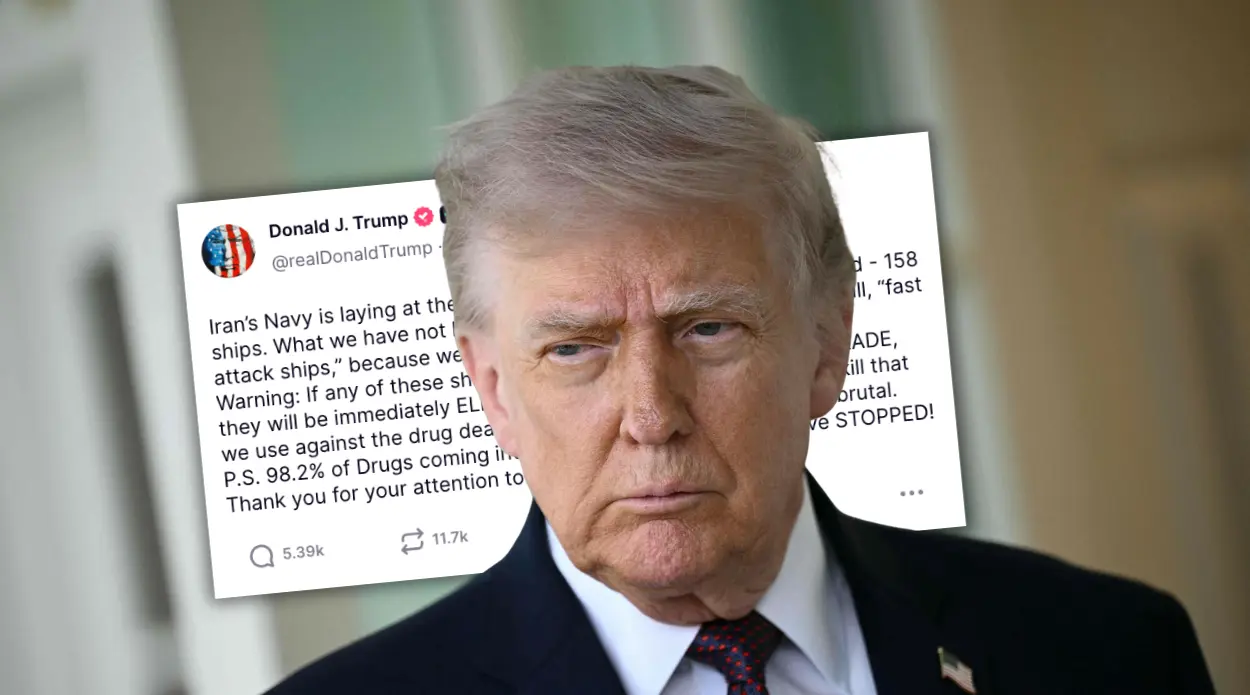
The markets outpaced events with dynamic gains and a jump to the north, which was partially offset by further tightening of wartime rhetoric by the U.S. president, but ultimately proved decisive for the picture and outcome of the week. In essence, the Tuesday and Wednesday gains combined into a two‑day strengthening that was the biggest in the U.S. since last May.
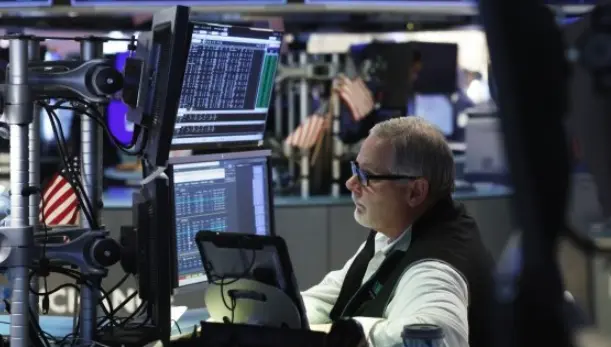
Ultimately, on Wall Street the DJIA ended the week up 2.96 percent, while the Nasdaq Composite gained 4.44 percent with a broad S&P 500 rise of 3.36 percent. Europe responded with gains in the German DAX of 3.58 percent and a 3.58 percent rise in the French CAC.
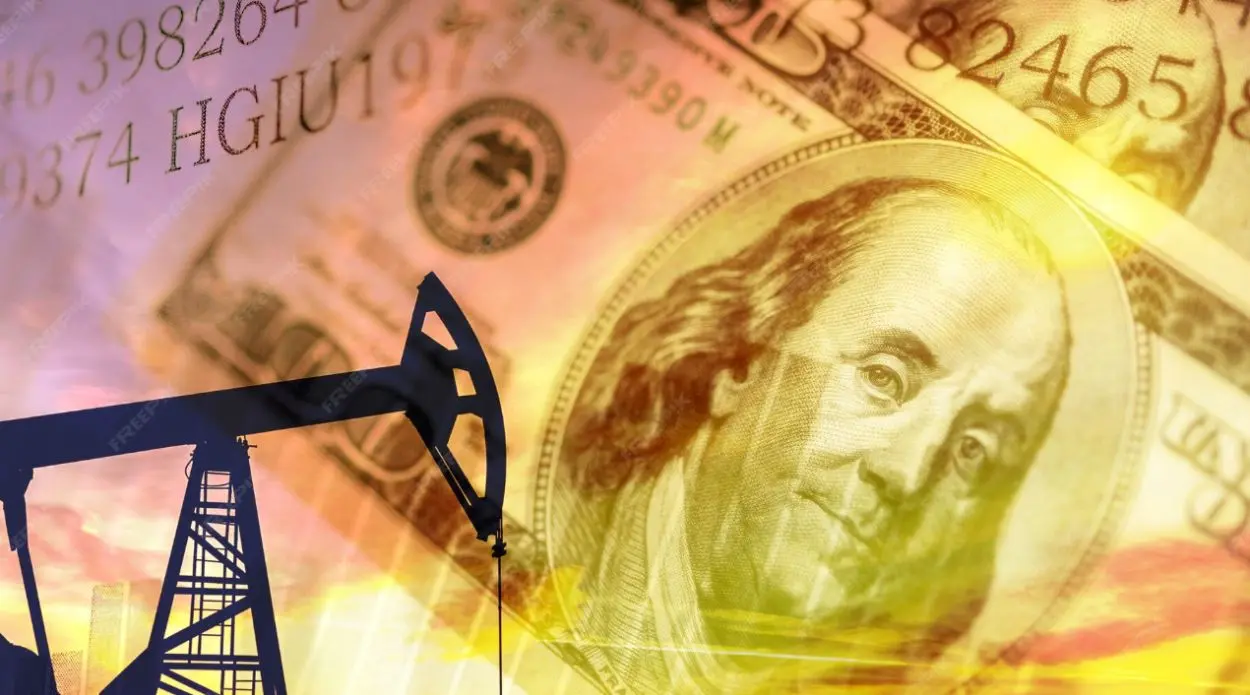
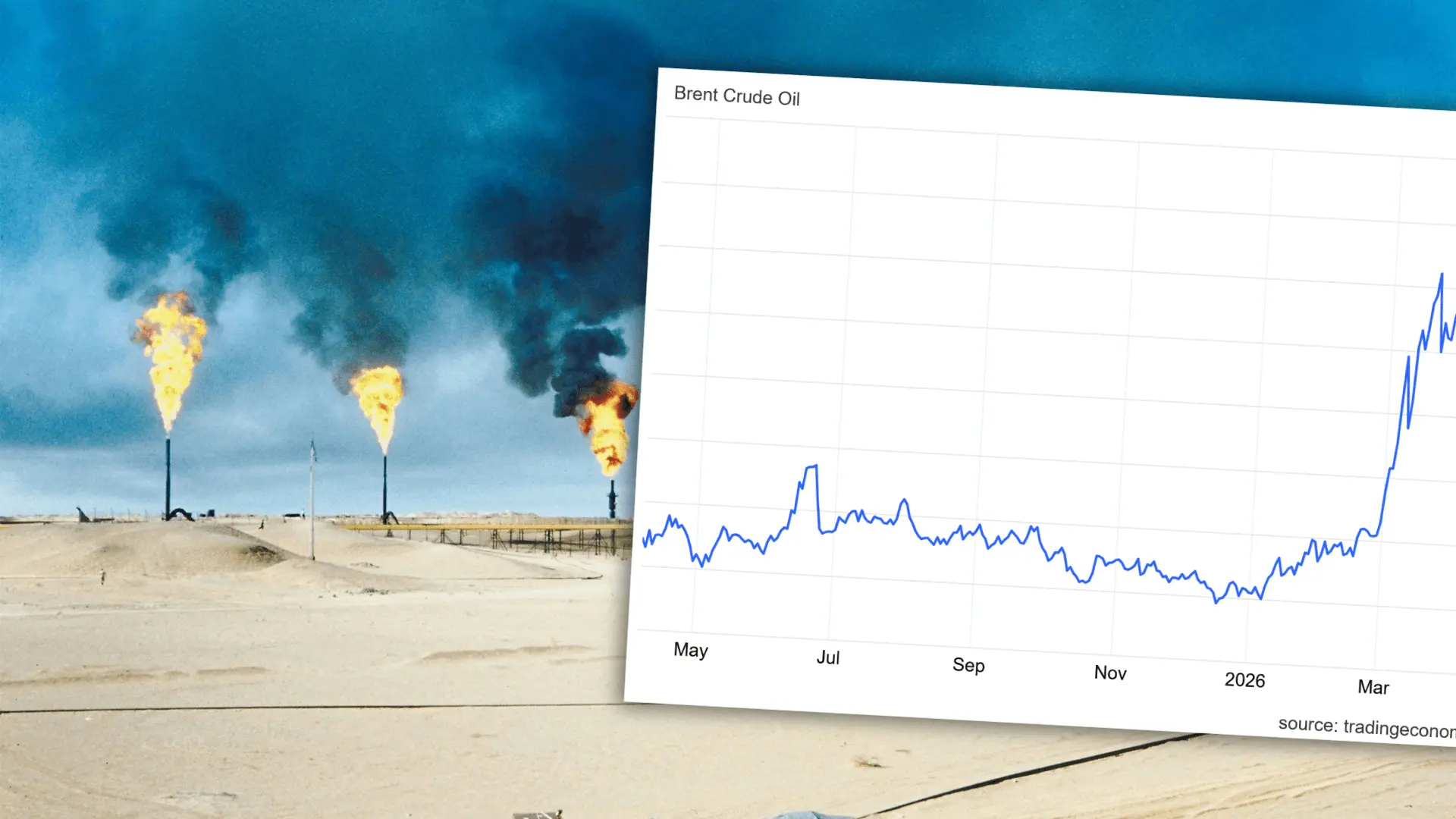
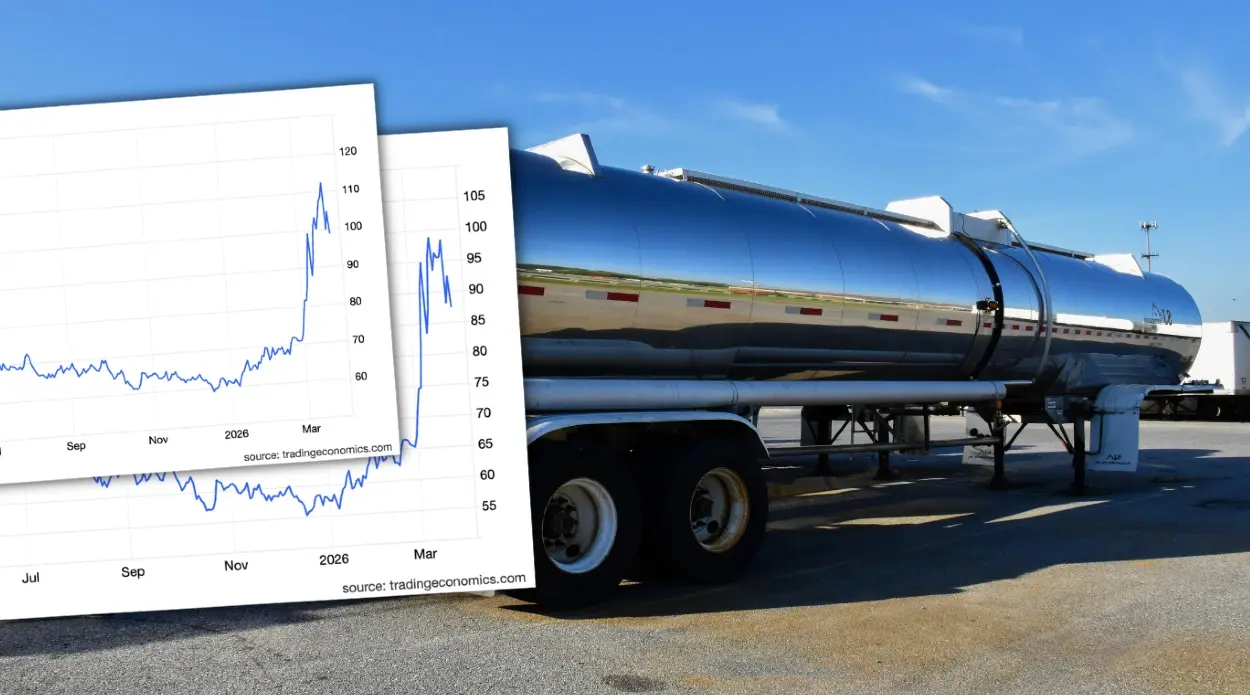
Interestingly, equity markets sought gains despite the continued strengthening of oil prices, which for the two most important contracts, WTI and Brent, ended the week with increases of more than 3 percent, as WTI – the benchmark for U.S. oil prices – for the first time in four years was higher than Brent.
In other words, equity markets reached a point – time will tell how long – where oil price gains no longer translated into index declines. A significant part of the balance of forces was also the change in the U.S. central bank’s monetary policy valuation.
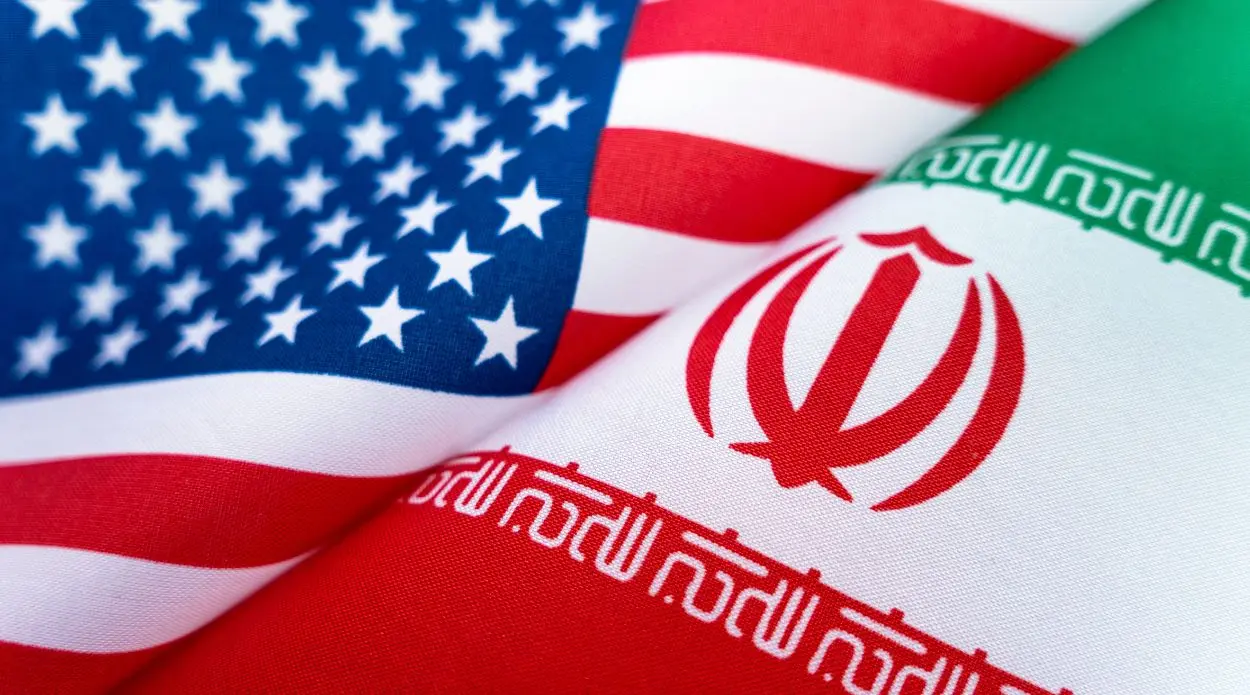
How Will the Economic Situation Develop in the Context of the War with Iran?
The recent clear shift in valuations toward higher credit costs by the Federal Reserve after the outbreak of the war in the Middle East found a counterbalance in a somewhat calmer approach, in which the Fed Fund Futures market seems to see equal chances for rate cuts, no changes, and finally higher credit costs in the U.S.
Stabilization of expectations was helped by the Federal Reserve Chair, who emphasized that interest rates are in a position that allows waiting for how the economic situation will develop in the context of the war with Iran.
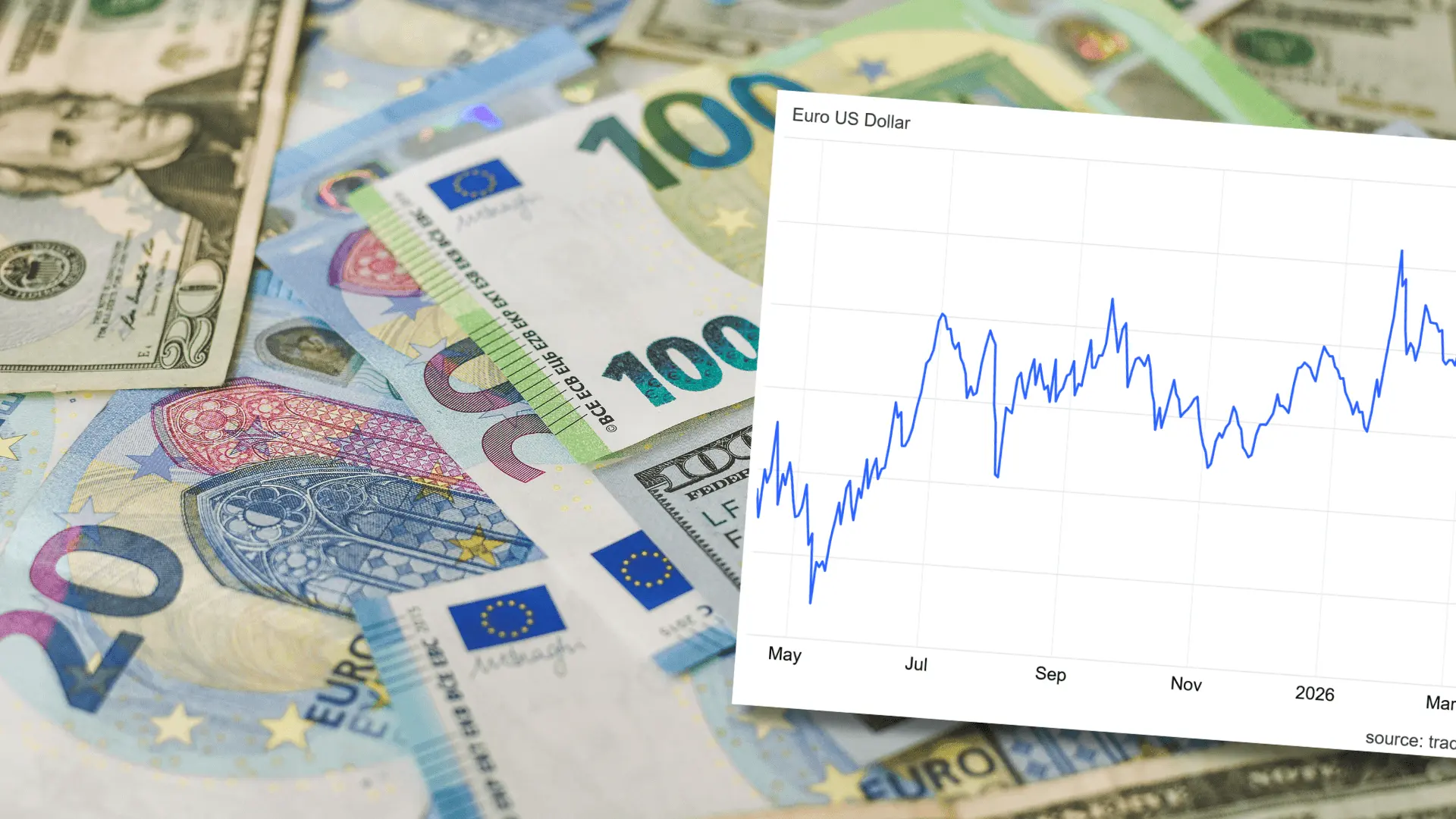
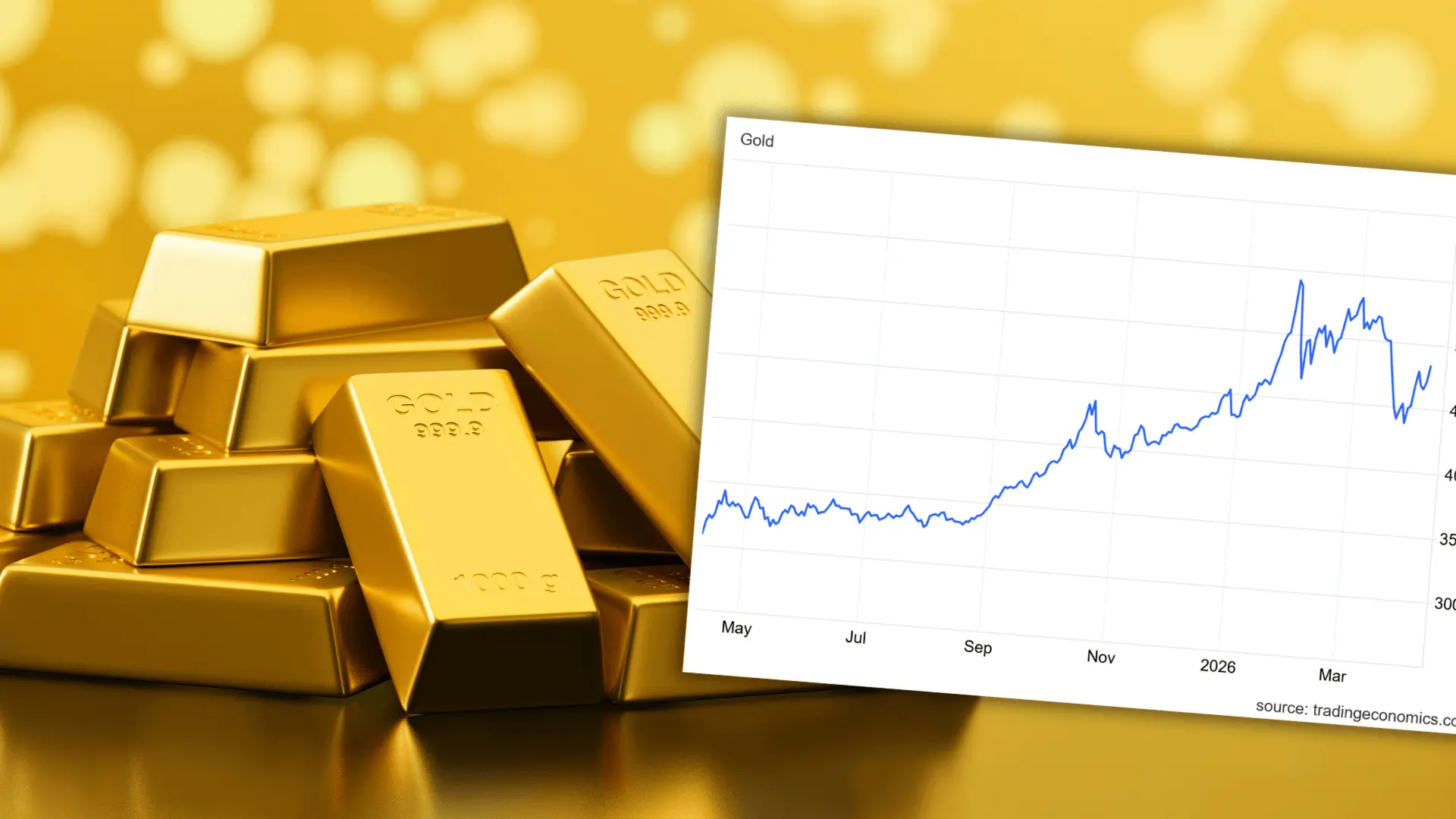
The change in Fed policy valuations combined with stabilization in the debt market and ultimately greater risk appetite, which was visible in the metals market, recently hit hard by supply after a period of hyperbolic gains. The currency market also presented itself more calmly, with stabilization on major pairs built on a slight pullback of the dollar.
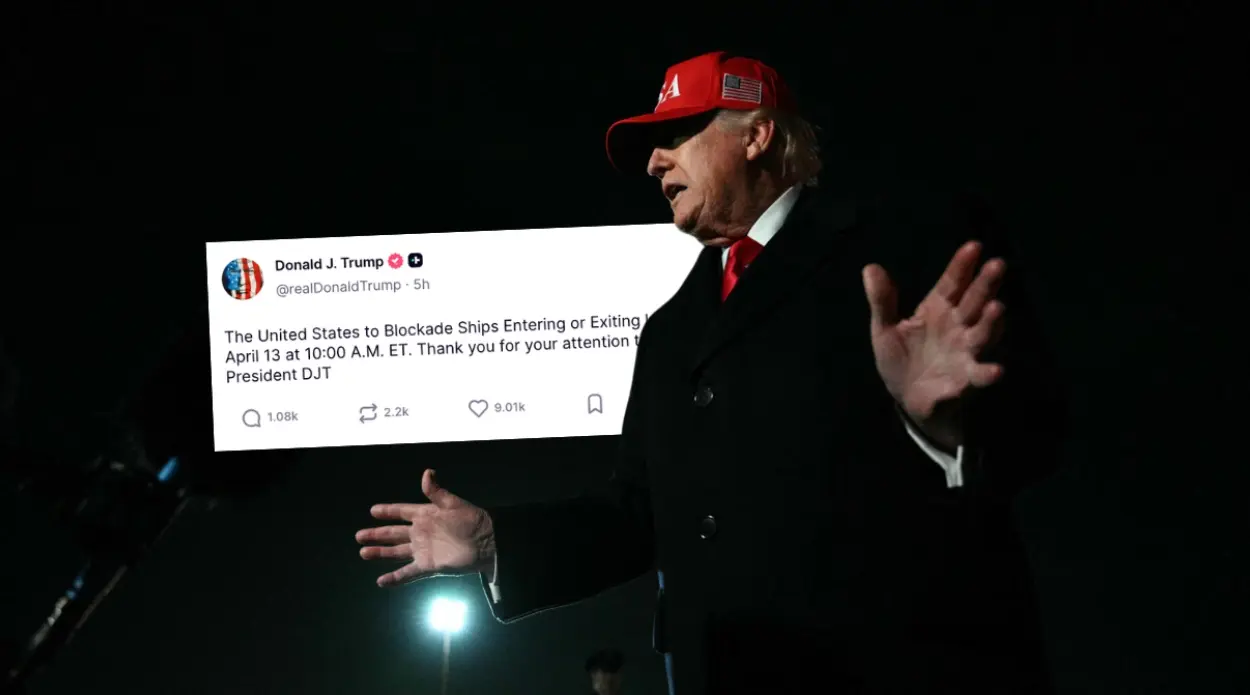
In sum, last week’s equity rebound had a slightly broader market context than just waiting for Donald Trump’s speech, where the behaviors of individual segments combined into a foundation that allowed a counter‑demand translating into the largest gains in major indices since the outbreak of the war in the Middle East.
Oil Continues to Rise
Unfortunately, at the level of non‑market facts, little has changed. Oil continues to rise, the war continues, and rhetoric tightens. In essence, markets had to return to play on Thursday in the shadow of announcements of further mass attacks on Iranian infrastructure, which has already responded with attacks on U.S. allies’ infrastructure.
Shipping through the Strait of Hormuz remains closed, and problems with oil supplies from the Persian Gulf region are beginning to seep – today only partially – into fuel availability issues.
There is also no sign on the horizon of a settlement to end the war, as each side may feel that it is winning what it entered the war for. Iran is still weakened by missile attacks, while the U.S. and Israel have not even taken a step toward weakening the regime in Tehran, not to mention limiting Iran’s chances of missile counter‑attacks.
In practice, the war is on track to extend for several more weeks, which means that before the markets, further weeks of damage assessment will be larger the longer attacks on oil facilities, industrial plants, and supply chains through the Persian Gulf region, the Strait of Hormuz, and Bab al‑Mandab continue. At the strategic level, the best solution seems to be a “wait and see” approach that will allow assessment of the new balance of forces after a period of wartime turmoil.