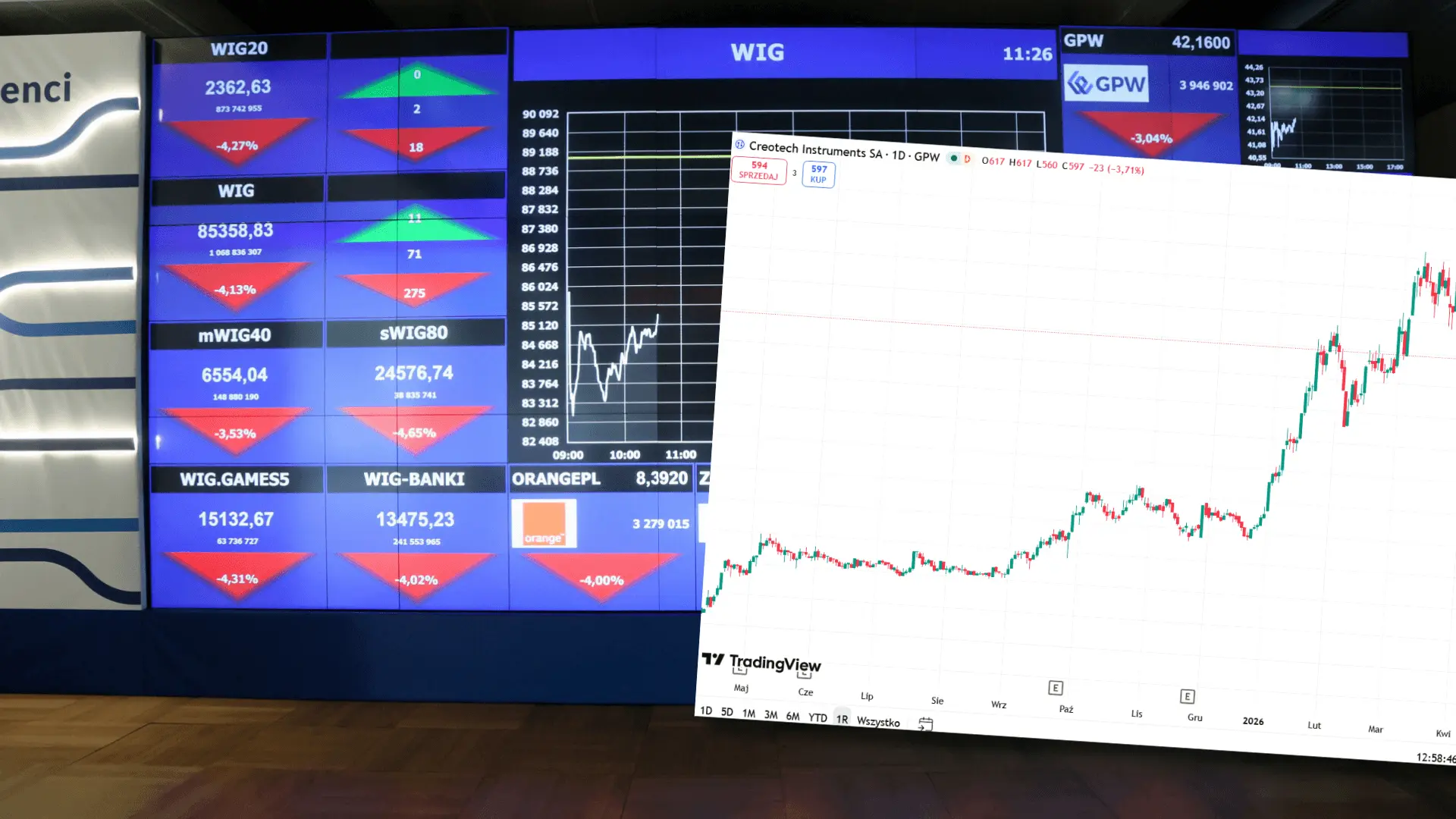
The sell‑off wave also hit the Warsaw market, including VRC shares. In our view, the market reaction to the company is too far‑fetched. AI does not weaken Vercom’s position; it actually enhances the usefulness of its products, increases the attractiveness of the offer, and expands the addressable market for the group.
Moreover, the effects of AI implementations are already visible in operational results – the client verification process has been shortened, customer service optimized, and conversion improved across all subscription plans.

As a result, the number of new paying customers acquired quarterly has almost tripled, with about 50% of this growth stemming from changes to the freemium plan. MailerLite is already present in the PrestaShop marketplace, although the French market still dominates local solutions. We assume the company will gradually increase MailerLite exposure and redirect part of the demand to its own platform.
From a strategic perspective, it is important that PrestaShop and Sylius give VRC access to about 240 000 stores, which in our view represents an attractive customer acquisition channel and, like partnerships with Microsoft Azure and Google Cloud, should support further growth of the group’s user base. Although 2025 ended without a transaction finalisation, from the current perspective we assess this moderately positively.
The decline in software valuations, with Vercom’s acquisition potential at roughly 600 million PLN including debt, today increases the company’s flexibility and opens the way to analysing larger and more attractive assets. We believe the probability of an acquisition in 2026 is high, although we do not include it in our forecasts.
A potential deal could be both a catalyst for further growth and a significant risk factor. In our view, global trends will continue to support VRC’s growth.
Beyond the positive impact of AI, we expect continued dynamic development of RCS and OTT channels, which doubled volume and gross profit in 2025. Their higher profitability compared to traditional SMS should gradually support improvement of the product mix and group margins.
Room to Improve ARPU
Against competitive offers, MailerLite remains the cheapest solution today, with only Mailchimp (Intuit) slightly more expensive. In our view, such pricing positioning indicates that the company still has room for potential price optimisation in the future.

In Q3’25 the company shortened onboarding time and introduced new features, including integration with LLM models. These improvements increase the value of the offered solution and may in the future justify price hikes. The first steps in this direction were already visible in Q3’25 – despite the absence of nominal price increases, the company limited the scope of free packages, aiming for faster conversion of free‑version users to paying customers. While both attractive pricing relative to competitors and feature development leave room for potential price revision, we do not anticipate such a scenario in the short term. In our view, the company’s current priority remains further increasing the number of paying users, while more decisive monetisation actions may be taken at the next development stage.
Additionally, the growth of VRC’s client business should translate into a gradual increase in demand for offered services and support upselling of additional solutions, which in turn should positively affect average revenue per user. In our forecasts we adopt conservative assumptions, assuming ARPU remains relatively stable in the coming years. At the same time we see this area as a potential source of positive surprise relative to current expectations.
High Probability of Acquisition in 2026
Although 2025 ended without a transaction finalisation, from the current perspective we assess this fact moderately positively. The decline in software valuations, coupled with the increase in Vercom’s acquisition potential to about 600 million PLN including debt, today increases the company’s flexibility and opens the possibility of analysing larger and more attractive entities that were previously out of reach for the group.
We assume that a potential acquisition target for VRC could be complementary entities to the group’s current offer, offering clear cross‑sell potential and the possibility of generating additional synergies. Preferred profiles appear to be companies focused on the small and medium enterprise segment, with adequate scale and a broad customer base, while also being able to support the next scaling stage of the business.