Is the U.S.-Iran agreement too fragile?
Oil prices rose again in response to growing concerns about the durability of the two‑week ceasefire in the Middle East.
Earlier futures prices for both Brent and WTI fell below $100 per barrel as the market expected that maintaining the agreement would lead to the reopening of the key trade route, the Strait of Hormuz.
Uncertainty in the markets also rose after Donald Trump announced that U.S. forces would remain in the region until Tehran fully fulfills the agreement.
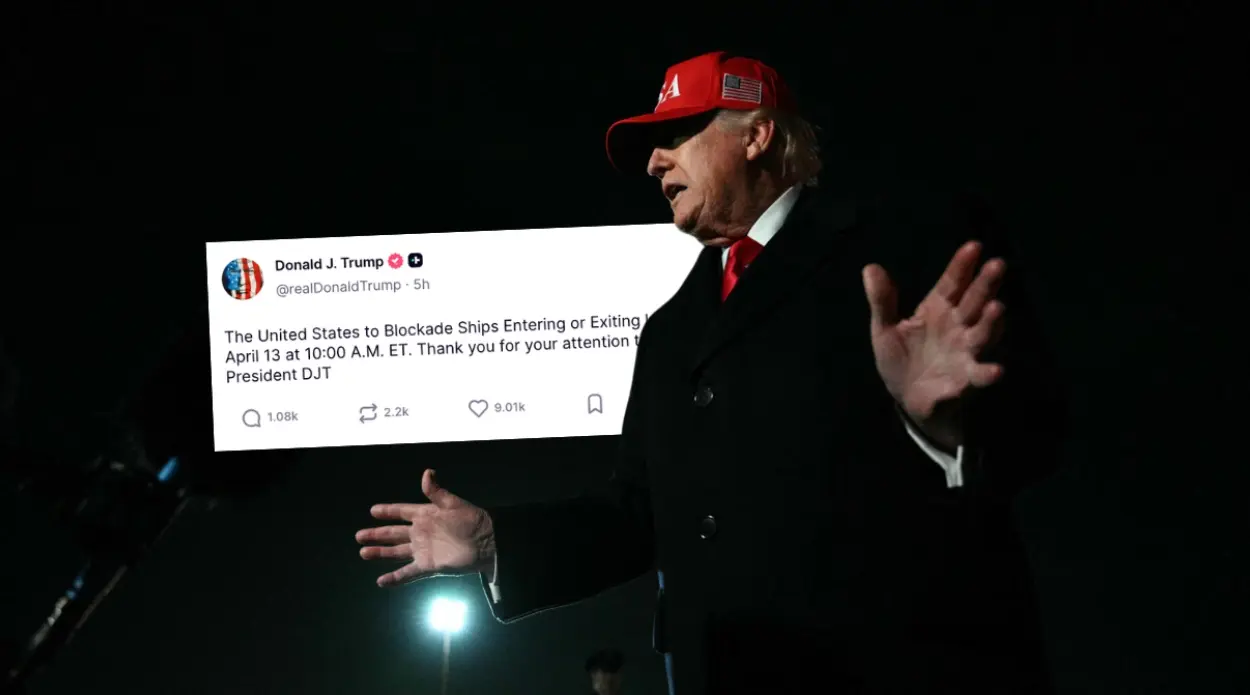
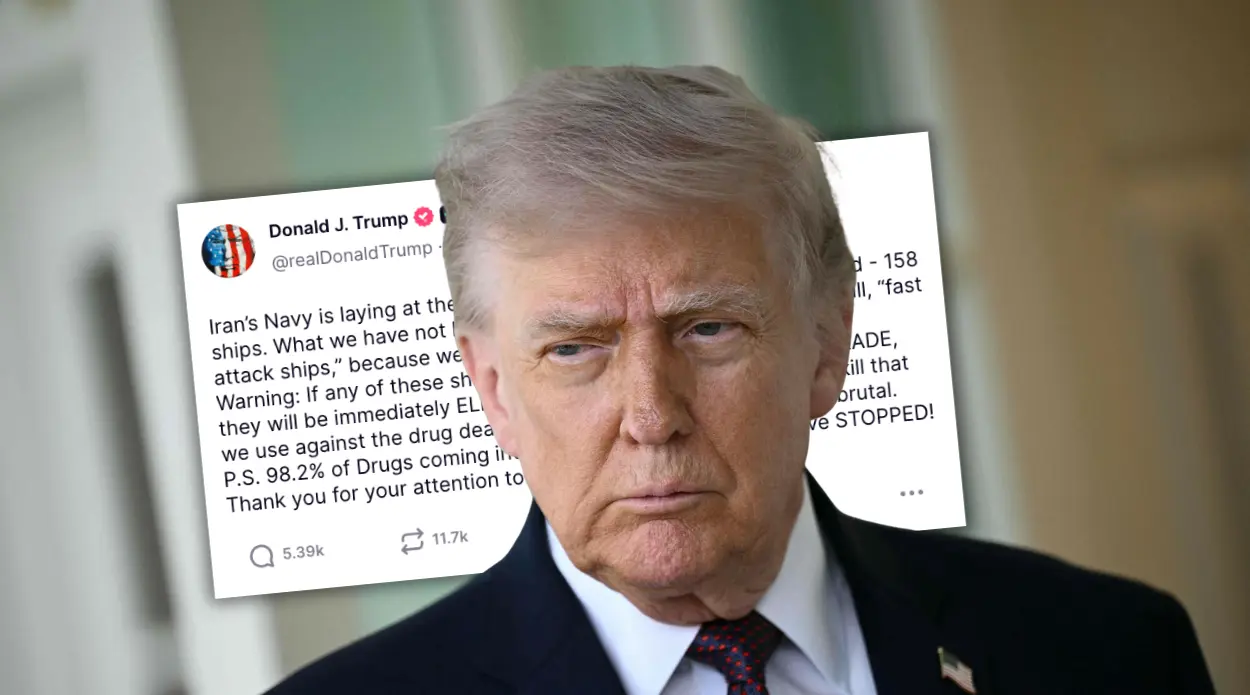
“If for any reason that does not happen, which is very unlikely, then the shooting will begin, larger, better and stronger than anyone has ever seen,” the U.S. president said in a post on Truth Social.
“It was agreed long ago, despite all the false rhetoric suggesting otherwise – NO NUCLEAR WEAPON, and the Strait of Hormuz will be open and safe. In the meantime our great armed forces are armed and resting, eagerly awaiting their next conquests,” he added.
According to the statement of Iran’s Supreme National Security Council, Tehran’s demands include, among others, maintaining control over the strait, acceptance of uranium enrichment activities, or lifting sanctions.
Washington does not accept the presented conditions and ties its presence in the region to their fulfillment.
As Bloomberg reports, optimism linked to the ceasefire quickly weakened after the agreement was breached less than 24 hours after it was signed.
The upcoming weekend is expected to bring some progress thanks to the visit of U.S. Vice‑President J.D. Vance to Pakistan.
Karoline Leavitt, White House press secretary, confirmed that with Vance, a special U.S. envoy for the Middle East, Steve Witkoff, and Trump’s son‑in‑law Jared Kuschner, will arrive in Islamabad.
The first round of talks is scheduled for Saturday, even though traffic through the Strait of Hormuz remains largely restricted.
“The movement of tankers through the Strait of Hormuz has been halted, increasing the risk associated with supplies. Because a full opening of the strait in the near future seems unlikely, it is expected that oil prices will remain high as removing disruptions related to reduced production and refinery shutdowns will take some time,” analysts at ING Think said.
Iran’s foreign minister, Abbas Araghchi, said the conditions for the U.S.–Iran ceasefire are “clear and unequivocal.”
“The United States must choose – a ceasefire or the continuation of war via Israel. They cannot have both,” he added.
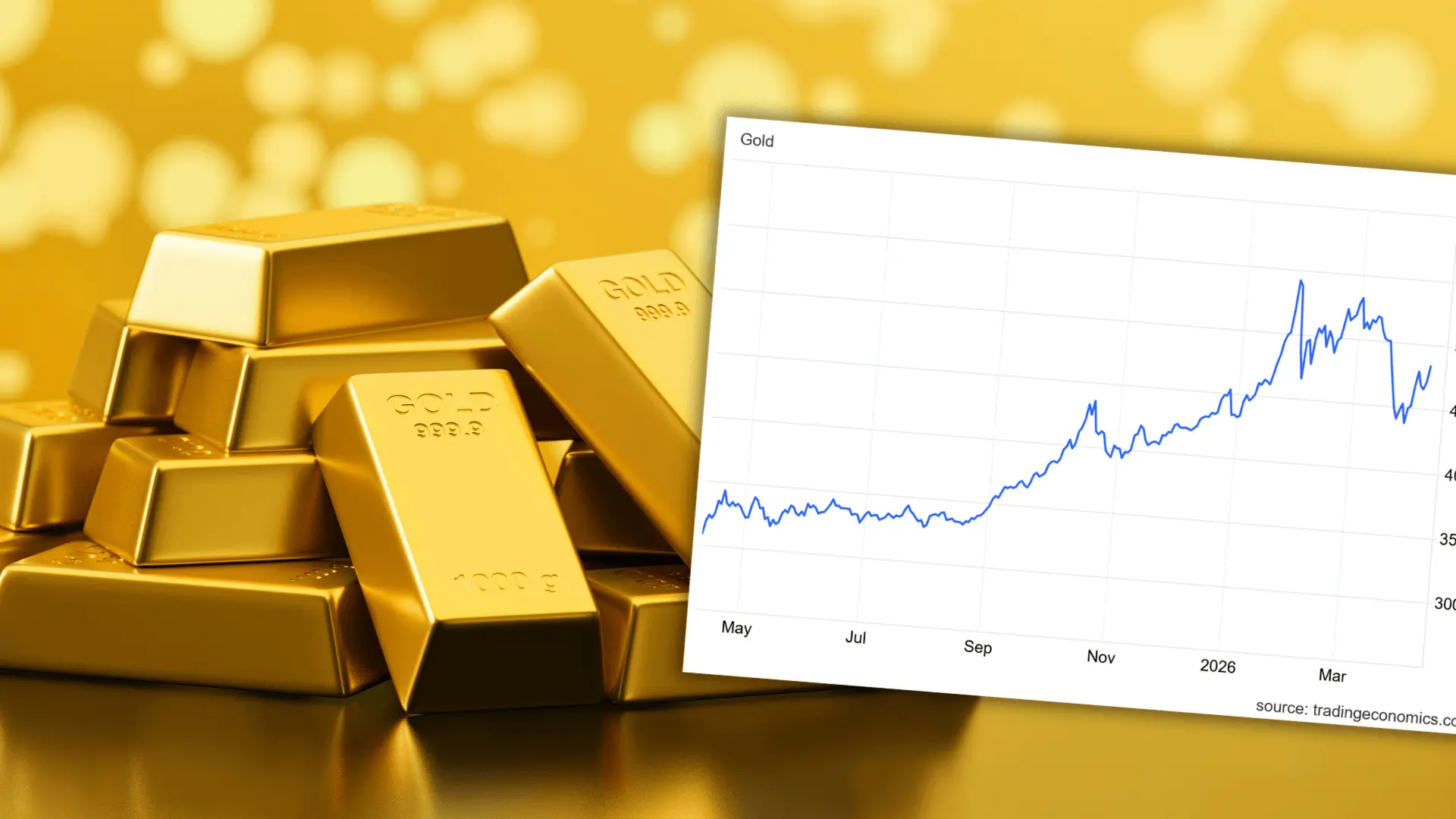
See also: Gold price fell 12%, will there be further discount soon? Expert: “With possible de‑escalation there is a chance to make up for losses”
Oil price will reach lower levels, Goldman Sachs says
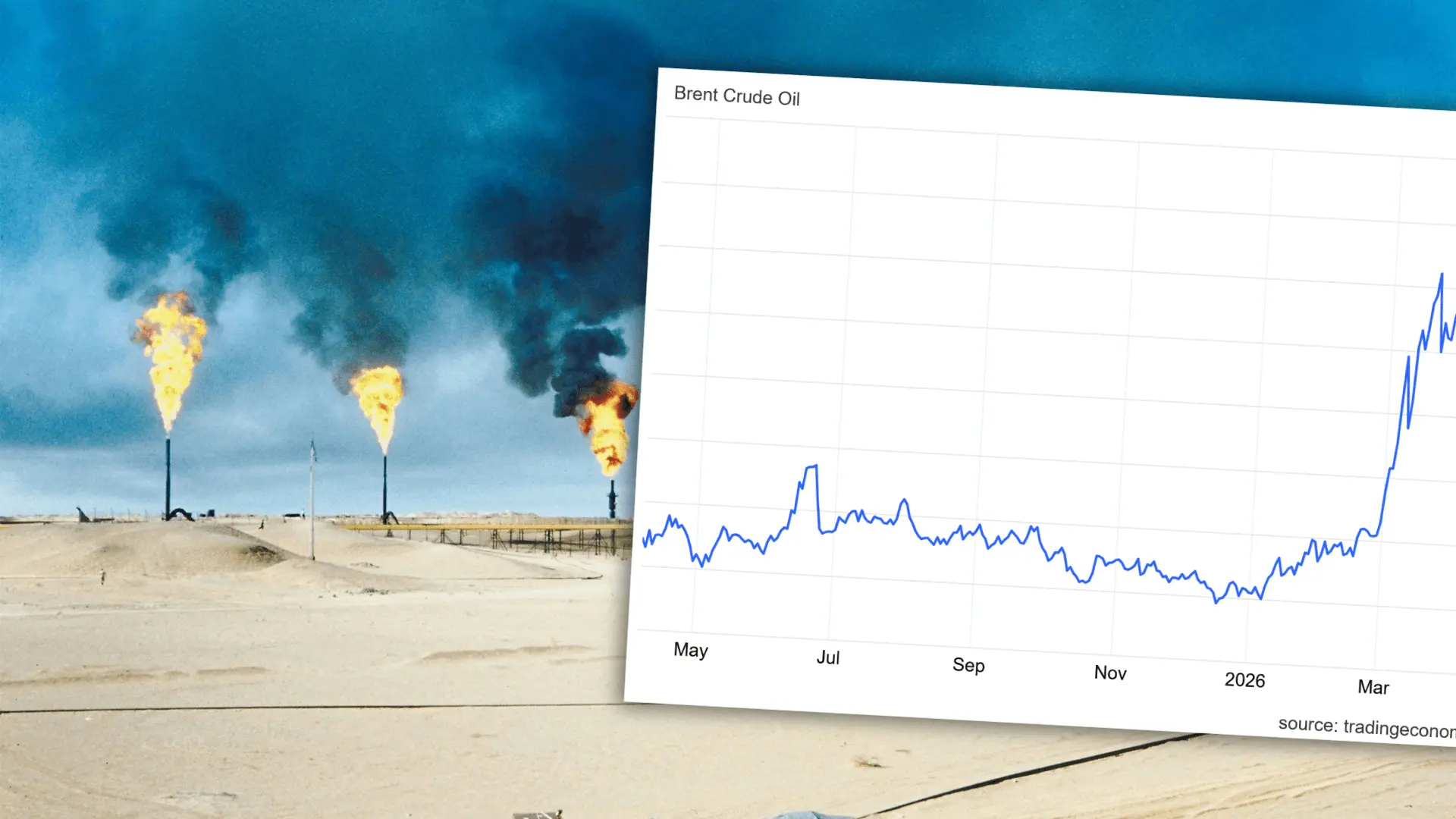
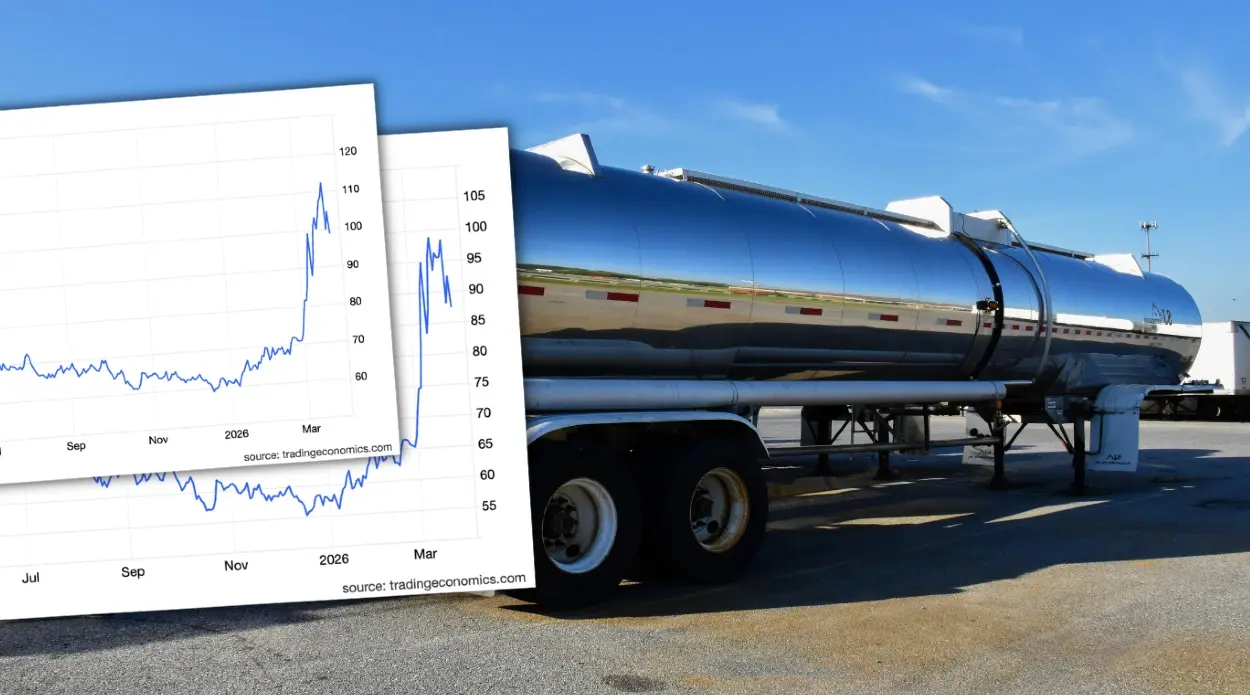
The futures price for Brent on Thursday, April 9 is at $98 per barrel (+3.5%).
After the announcement of the ceasefire in the Middle East, Goldman Sachs economists lowered their forecasts for Brent and WTI prices for the second quarter to $90 and $87 per barrel respectively.
Earlier analysts expected average prices to be $99 and $91 per barrel.
Chart. Futures price for Brent

Source: Trading Economics.
The futures price for WTI reaches $99.3 (5.26%) per barrel.
Chart. Futures price for WTI (West Texas Intermediate)

Source: Trading Economics.
See also: Will fuel prices fall soon? Oil could drop to $40 per barrel. Piotr Cymcyk for FXMAG