- PL-DŁUG: The Armed Forces Support Fund, managed by BGK, increased its planned bond issuance proceeds in 2026 by almost 3 bn PLN – from 73.7 to 76.6 bn PLN. These funds will not raise the national budget deficit, but will increase the public finance sector deficit under EU methodology. Tomorrow, a BGK bond auction for the COVID‑19 Countermeasures Fund will take place. The minimum supply is 500 mln PLN.
- US-KONIUNKTURA: The industrial business cycle index in the Texas region (Dallas Fed Index), accounting for about 10% of US production, fell from –0.2 to –2.3 points in April. Contrary to appearances, this is not a bad reading. Industrial activity in the region improved from 12 to 19 points and capacity utilisation from 2 to 15 points. The weak points remain falling employment (–1 point) and clear cost pressure – the final goods price index rose from 18.5 to 27.6 points, the highest level since July 2022.
- JP-STOPY: The Bank of Japan left interest rates unchanged at its latest meeting. The reference rate is 0.75%. This decision was not obvious, as inflationary pressure in the country continues to rise. In March, core inflation, excluding fuel, energy and food costs, surprised on the higher side (1.8% YoY) and was higher than February (1.6% YoY).
The US‑Iran impasse continues
The US‑Iran impasse continues: yesterday the media received information that Iran allegedly proposed opening the Strait of Hormuz for all and postponing talks on its nuclear program; tonight Polish time, reports emerged that the US would reject this proposal.
This likely contributed to slight rises in oil prices on the markets (investors are already heavily numb to such news) and falls in stock indices, but from the perspective of recent weeks these are microscopic moves.
The market generally behaves as if the Gulf war had ended and its effects were limited.
In many respects it is correct – with oil priced at $110 per barrel one can live, the world operated this way for several years in the previous decade, and in real terms today's $100 is not equivalent to $100 fifteen years ago.
However, this should mean slower global economic growth and higher inflation with all the consequences of this state of affairs.
How much lower growth and how much higher inflation? That is what this week will be about and we look forward to such publications.
It will not happen today – the macro data publication calendar is filled today with data of secondary or even tertiary importance.
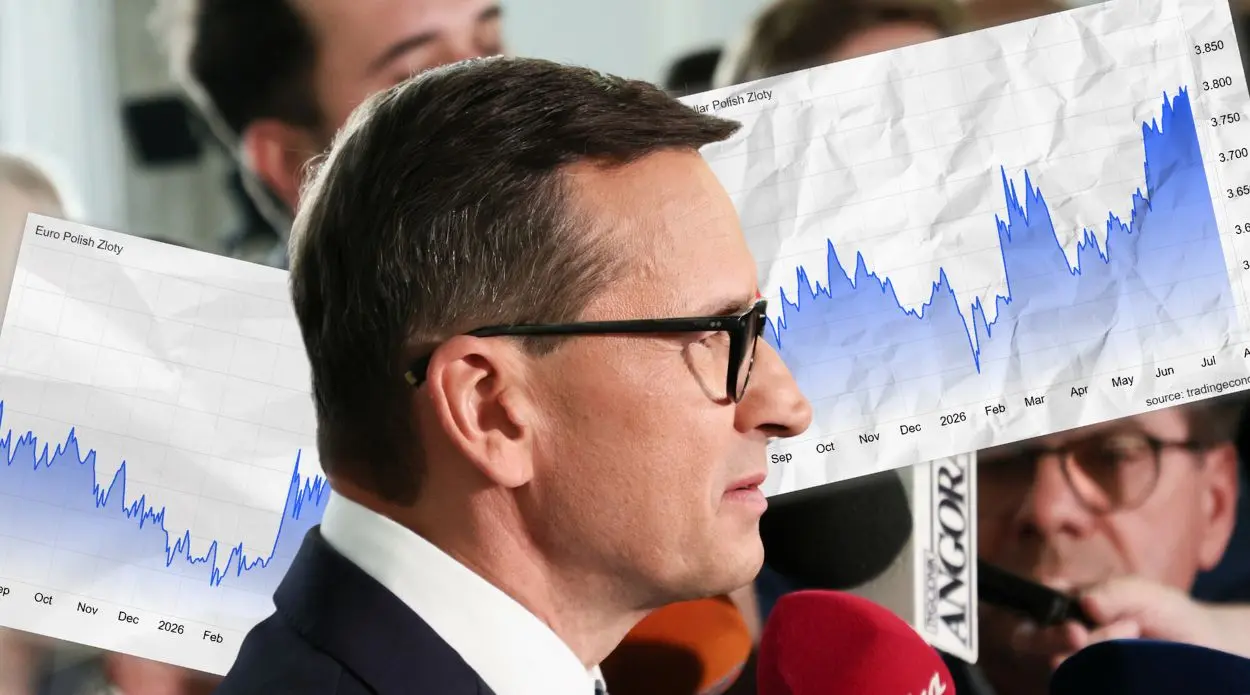
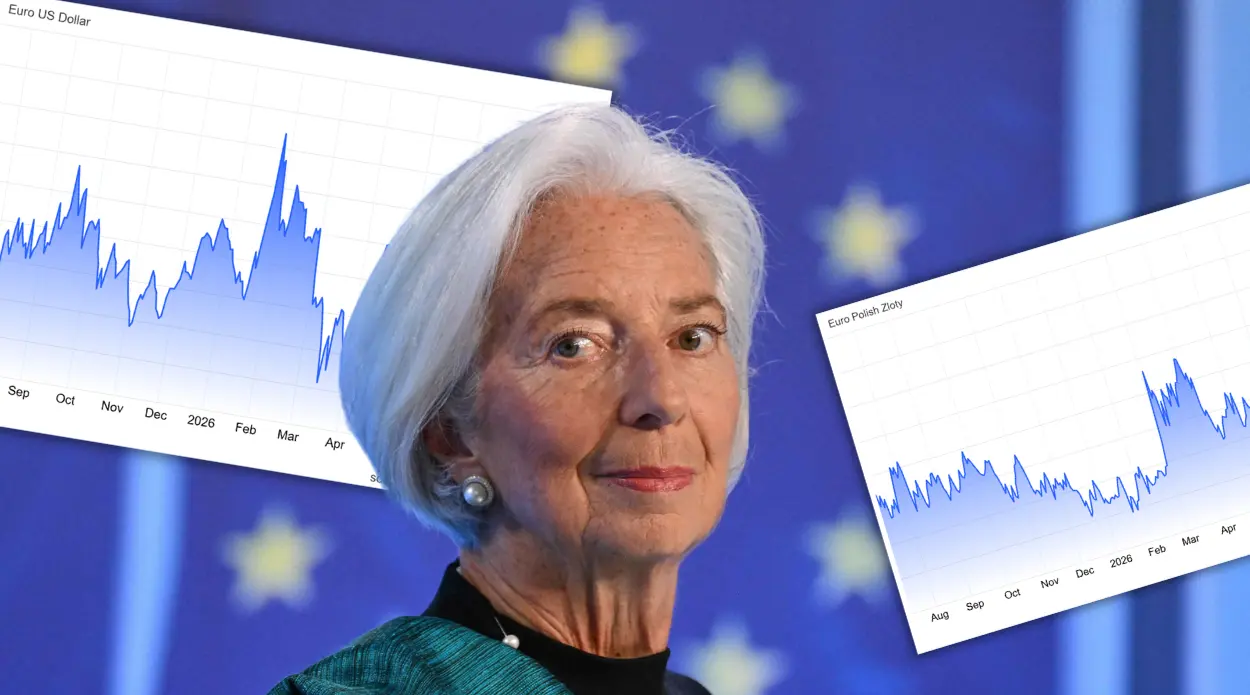
EUR‑PLN pair broke 4.25
More nervousness in the markets, so the zloty loses some of its shine.
Today morning the EUR‑PLN pair broke 4.25, continuing the short‑term uptrend that started a week ago.
While the series of white candles are clearly visible on daily charts, we are talking about a weakening of the zloty of about 3 grosze over the week.
This is a microscopic move and a manifestation of the slight volatility prevailing in the FX market.
A reversal from domestic assets was also visible in the FI market – following developed market benchmarks, SPW yields rose yesterday by 4‑6 bp and IRS rates by 3‑4 bp.
After several days (a week) of market rate rises we can no longer say that the Polish FI market is halfway between pre‑Gulf war levels and the maxima set at the end of March.
Risk‑free rate rises worldwide and the return of regular SPW supply, as it seems, push SPW yields and PLN IRS rates up.
The change in the market scenario for RPP – the market for pricing future rate paths added an additional 25 bp over the year – is a consequence of this state of affairs, although individual hawkish signals from RPP (Zarzecki, voting results on rate cuts in March) support this revision direction.
Today it may be more interesting – the Ministry of Finance is organising an SPW sale auction and its results will be an interesting gauge of market sentiment.