This was supposed to be a calm entry into a new era, but the market tested the plans of the Munich conglomerate.
The Chinese wall cracks, and the war in Iran drives up costs
BMW officially lowered its financial forecasts – the projected EBIT margin in the automotive segment, instead of stable 4-6%, was sharply cut to just 1-3%, and the main culprit turned out to be the deepening weakness of the Chinese market – the largest consumer of premium cars. Once China was a golden goose, today it has become a stage for relentless price wars with local electric car manufacturers. China produces more and more of them, so European car brands have stopped being a “must-have” for the average middle‑class Chinese.
As if that weren’t enough, global supply chains and consumer sentiment felt strong cost pressure from the war in Iran. Geopolitical instability and rising energy prices struck margins with a force investors did not expect. It’s a painful blow to a company that has so far been seen as a model of stability among German manufacturers.
See also: German automotive industry in trouble? Chinese are starting to expand among our western neighbors
Job cuts on the horizon: 7,700 positions to be eliminated
Efficiency gains rarely happen without human costs. BMW plans to reduce global employment by up to 5% by the end of 2026. With a current scale of operations and a workforce of just under 155,000 people, this means a reduction of up to 7,700 positions.
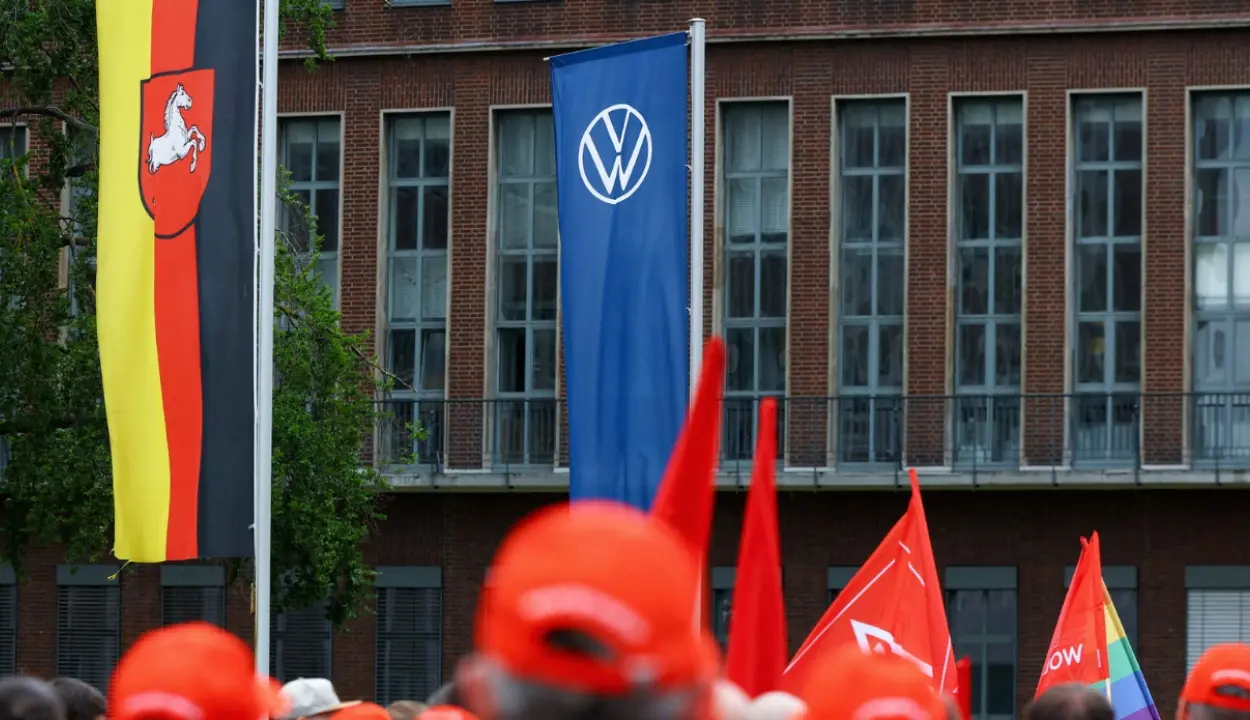
Unlike the loud, mass layoffs of competitors such as Volkswagen or Mercedes‑Benz, the Bavarian producer declares a desire for a gentler separation. The company’s spokesperson emphasized that reductions will occur through natural staff turnover and non‑renewal of contracts, not drastic day‑to‑day layoffs.
Trade unions and works council representatives are already sharpening knives ahead of the upcoming talks. In an official statement, it was assured that the priority is to develop responsible, realistic solutions through social dialogue.
Although BMW has not yet announced an official forced exit program, the downward trend in employment that began in 2025 will certainly pick up pace. The game is about maintaining competitiveness in a world where traditional internal combustion engineering must capitulate to new macroeconomic and technological realities.
See also: The European Commission will make another move toward vehicle electrification? Companies will be forced to do so
Stock market knockout and nervous glances at charts
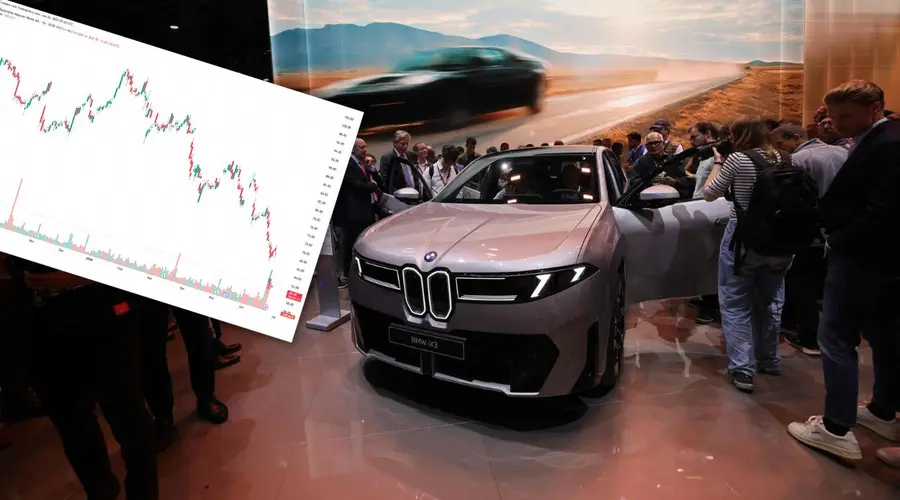
The reaction of financial markets was immediate and brutal. BMW shares plunged, hitting a bottom not seen for almost six years. The market drop dragged the entire European automotive sector, striking competitors with a ricochet. For the new CEO, Milan Nedeljković, who took the helm just a month ago, it is a true baptism by fire.
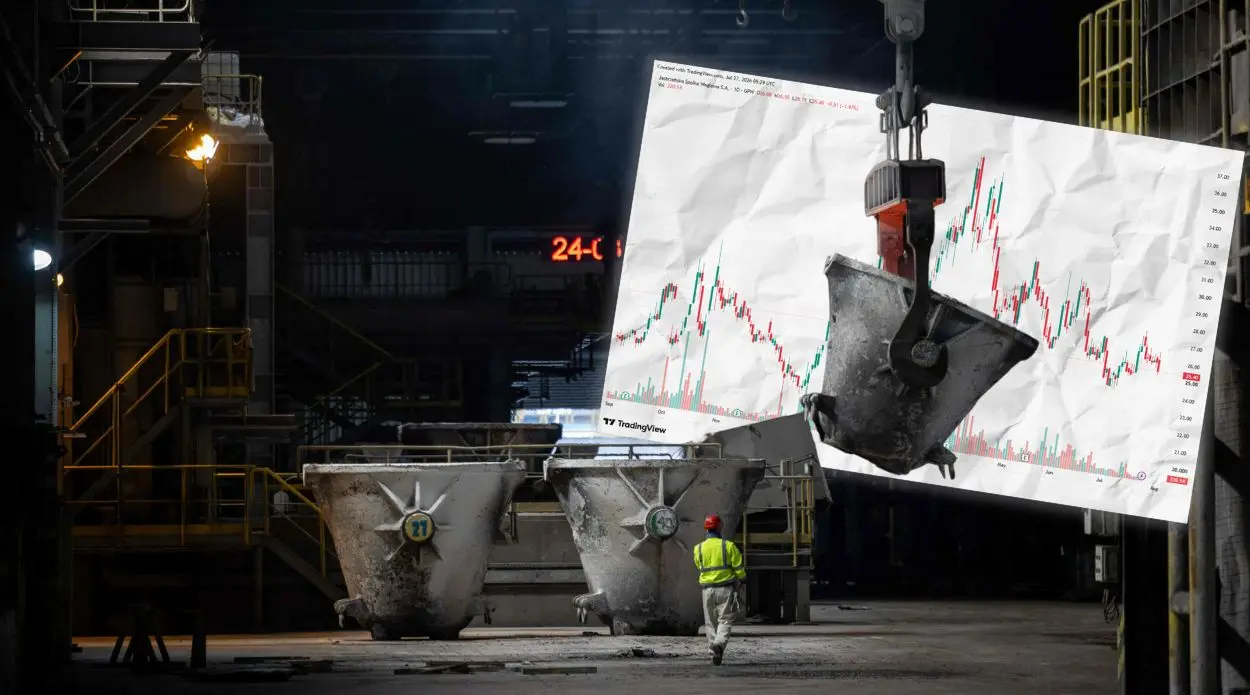
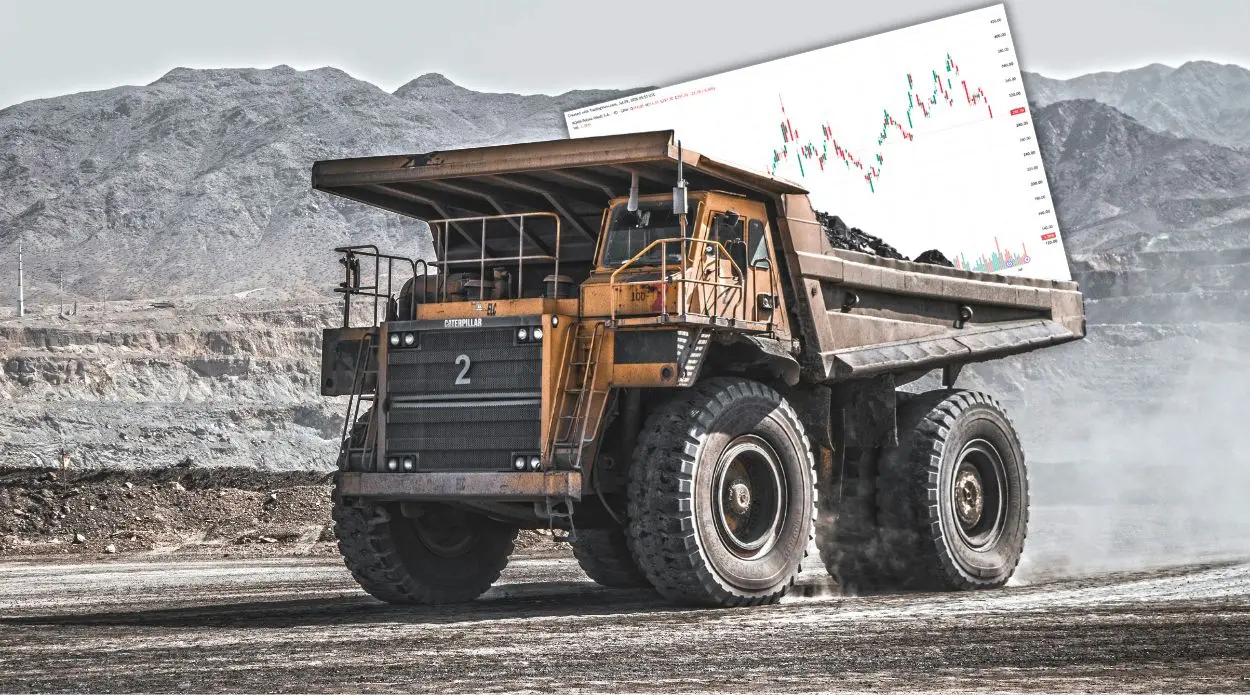
It is worth noting that on June 22 BMW shares are slightly up by +0.73%, reaching a peak of 60.38 EUR.
Chart. BMW share price.

Source: TradingView
Nedeljković does not intend to wait passively for an improvement in conditions. He announced a sharp intensification of structural cost cuts. Investors must prepare for a one‑off negative financial effect in the second half of 2026, resulting from the implementation of radical savings.
Analysts, after turbulent talks with management, have no delusions – BMW faces a deep operational restructuring. They suggest accelerating production localization in North America and Asia to protect shrinking profits and avoid high export costs from Europe.
See also: Poles register more and more new cars. Low popularity of electric cars
Source: Reuters.