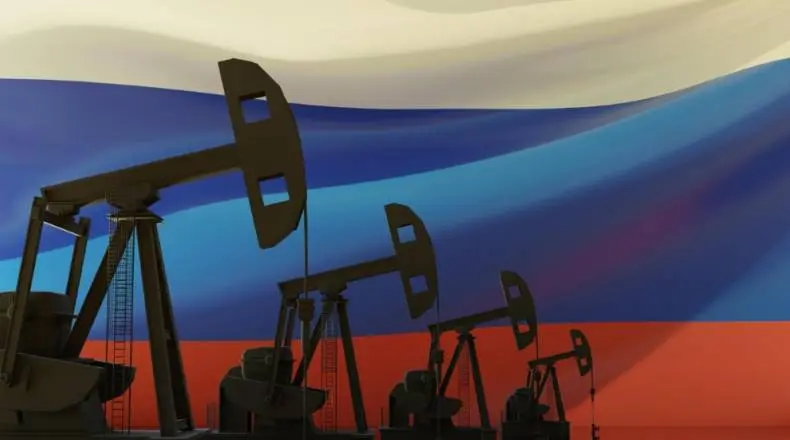
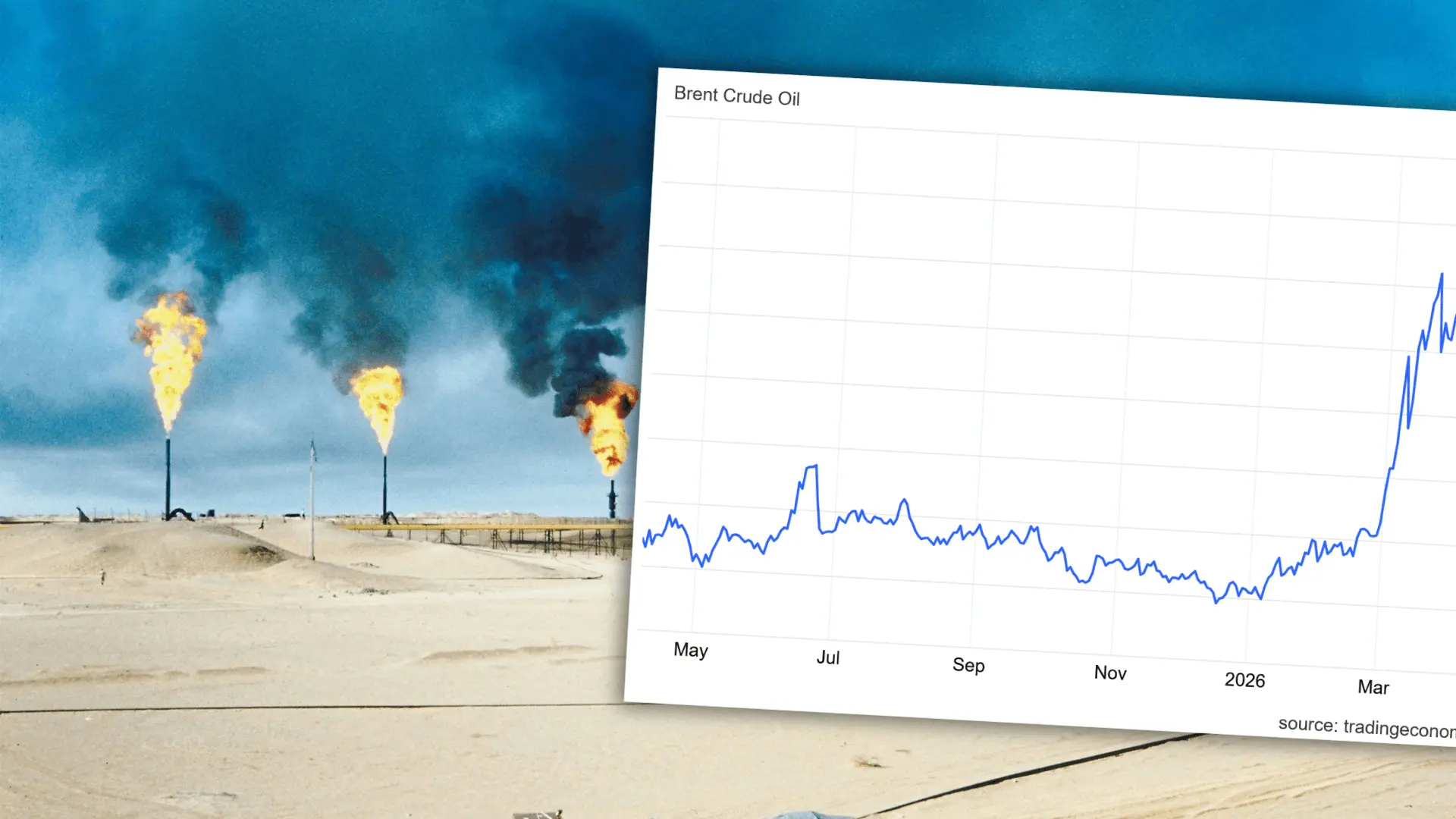
The key supply uncertainty for the oil market this year has been how well Russian supply would hold up following a number of countries banning Russian exports, along with an increased amount of selfsanctioning. Russian supply has held up better than many were expecting, with India, China and a handful of other smaller buyers increasing their purchases of Russian crude oil, given the steep discounts available. As a result, exports in October were 7.7 million barrels a day (MMbbls/d), down just one hundred thousand barrels per day (Mbbls/d) YearonYear (YoY).
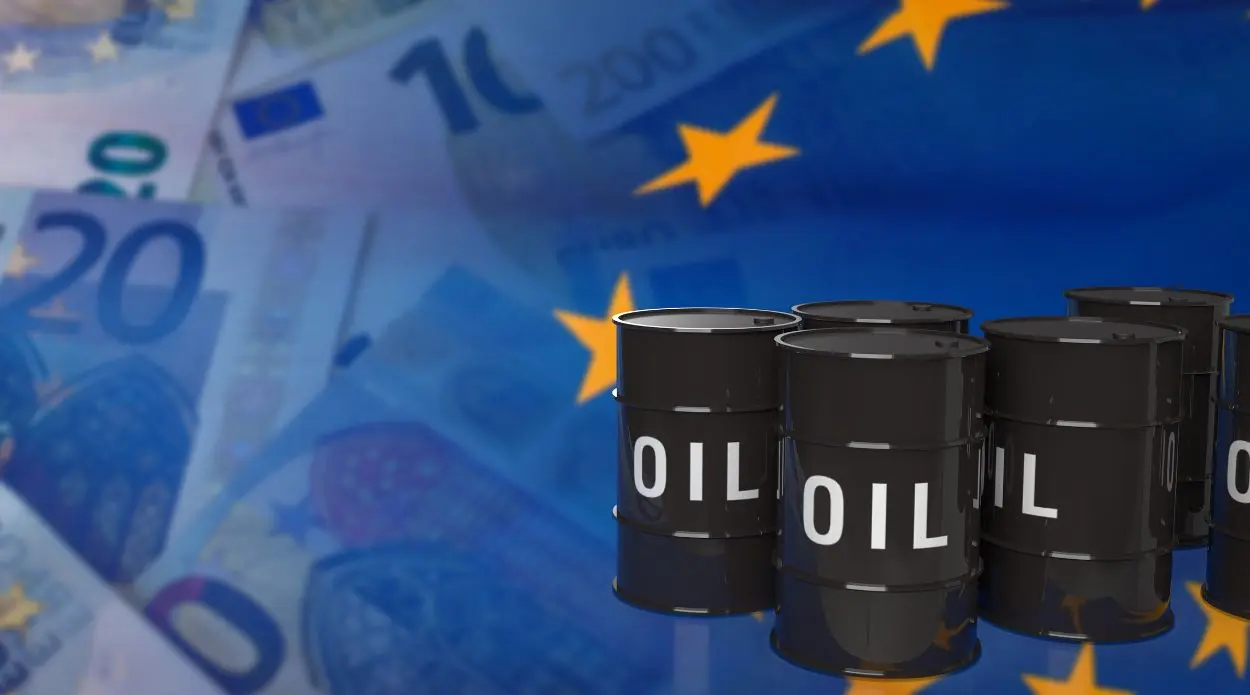
However, the impact of the EU ban on Russian crude oil is still playing out, and we will have to wait until early February for the ban on Russian refined products. The ability of India and China to absorb a still more significant amount of Russian oil is l As a result, we expect Russian supply to fall in the region of 1.6ikely limited. 1.8MMbbls/d Year Year in the first quarter of 2023. As for the G-- on7 price cap, we expect it to have little direct impact on Russian oil supply for now, given that at US$60/ Urals are trading. bbl, it is above where Russian
How the Russia/Ukraine war evolves will be important for oil markets in 2023. While a de escalation might not lead to the return of pre lot of supply risk from the market.
OPEC+ sticks to its guns
war oil trade flows, it would remove a OPEC+ has largely ignored calls from the US and other key consumers to increase oil supply more aggressively this year amid higher prices and supply concerns. And the group’s decision to reduce output targets by 2MMbbls/ d from November 2022 until the end of 2023 has been criticised, particularly by the Amcericans. Although, with hindsight, the decision by OPEC+ might appear to be the right one, at least in the near term, as it offers stability to the market. Given that mo st of its members are producing well below their production targets, OPEC+ supply cuts work out to an effective cut of around 1.1MMbbls/d. In aggregate, OPEC+ production was 3.22MMbbls/d below target levels in October.
However, the cuts may prove to be mo re destabilising in the medium term, given the expectation of a tighter market through 2023.
US oil producers are not there to fill the gap
The response from US producers to the higher price environment this year has been anything but impressive. And t his appears to have also given OPEC+ confidence to cut supply without the risk of losing market share. US crude oil supply is forecast to grow by less than 600Mbbls/d to average around 11.8MMbbls/d in 2022. While for 2023 supply is forecast to grow by less than 500Mbbls/d to around 12.3MMbbls/d. This growth is much more modest than the supply growth seen in previous upcycles.
The mentality of US producers has changed significantly from producing as much as possible to focusing on shareholder returns and as a result, continuing to show discipline when it comes to capital spending. Supply chain issues, labour shortages and rising costs have also played a role in the more modest supply growth expected over the next year.
Oil demand is weaker than expected
High energy prices, a gloomier macro outlook and China’s zeroCovid policy have all weighed on oil demand this year. At the beginning of 2022, global oil demand was expected to grow by more than 3MMbbls/d YoY and hit predemand is e Covid levels. However, stimated to grow at a more modest 2MMbbls/d this year, leaving it below preCovid levels. While for 2023, demand is expected to grow in the region of 1.7MMbbls/d. recovery.
Almost 50% of this growth is expected to come from China with the expectation of an economic recovery.
Read the article on ING Economics
Disclaimer
This publication has been prepared by ING solely for information purposes irrespective of a particular user's means, financial situation or investment objectives. The information does not constitute investment recommendation, and nor is it investment, legal or tax advice or an offer or solicitation to purchase or sell any financial instrument. Read more