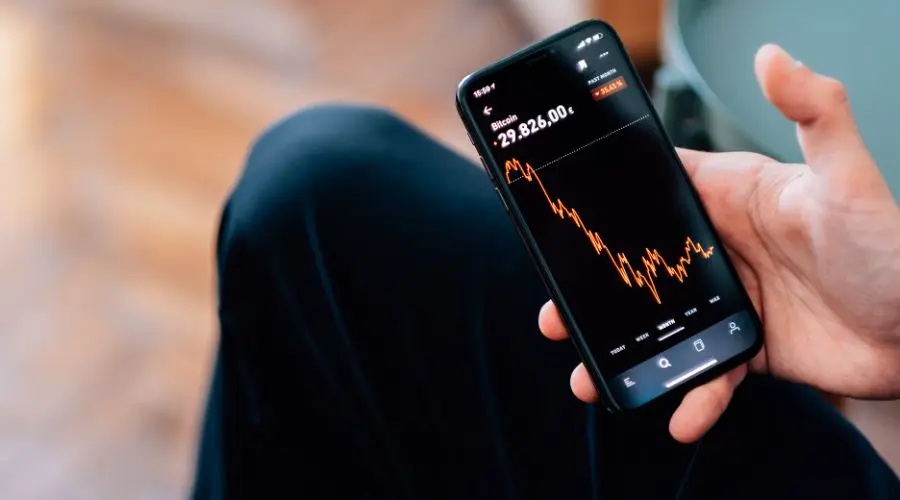
This shift reflects a growing demand among traders for systems that not only place trades automatically but also provide clearer oversight of trading activity in real time.
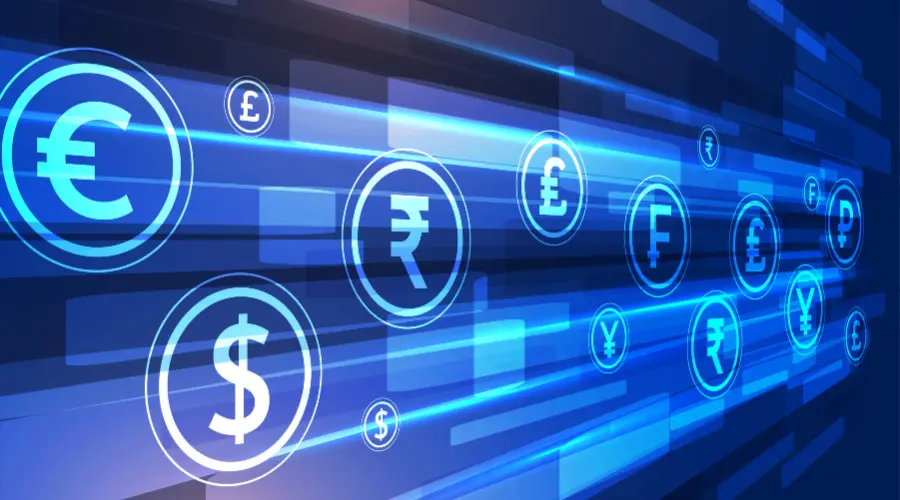
Forex robots are now widely used by retail and professional traders alike. These systems rely on predefined rules, algorithms, and data analysis to identify potential trading opportunities and execute trades without manual intervention. Their appeal lies in consistency, discipline, and the ability to operate continuously across global markets. However, as automation becomes more widespread, the importance of monitoring and supervision has become more apparent.
The Evolution of Forex Automation
Traditional automated trading systems were often treated as “set and forget” tools. Once deployed, traders relied on historical backtesting and hoped the strategy would perform as expected in live conditions. While this approach worked in certain market environments, it left little room for real-time insight or intervention when conditions changed.
Today’s forex robots are more sophisticated. They integrate performance tracking, trade logs, risk metrics, and alerts that allow traders to observe how strategies behave under different market conditions. This evolution has shifted automation from a passive tool into an active trading companion.
Why Monitoring Matters in Automated Trading
Markets are dynamic by nature. Volatility, liquidity, and macroeconomic events can all influence price behavior in ways that are difficult to predict. Even the most robust automated strategy can benefit from proper oversight.
Monitoring-based automation helps traders:
- Track open positions and execution quality
- Evaluate drawdowns and exposure in real time
- Detect abnormal behavior or strategy deviation
- Make informed decisions about pausing, adjusting, or scaling systems
Rather than replacing human judgment, these systems support it by offering clearer visibility into automated processes.
Transparency and Risk Awareness
Another important trend in modern forex automation is transparency. Traders are increasingly interested in understanding why trades are executed, not just that they are executed. Monitoring tools that display logic conditions, trade rationale, and performance summaries help bridge the gap between automation and understanding.
This transparency is especially relevant for traders managing multiple strategies or accounts. Centralized dashboards and reporting features make it easier to assess overall exposure and align automated trading activity with broader risk management goals.
The Role of Oversight in Long-Term Trading
Sustainable trading is not only about short-term performance. Long-term success often depends on adaptability, review, and disciplined risk control. Forex robots that incorporate monitoring features allow traders to periodically evaluate performance, compare results across market phases, and refine strategies over time.
As regulatory awareness and trader education continue to grow, tools that emphasize oversight rather than blind automation are becoming increasingly relevant. Automation is no longer just about speed, it is about control, accountability, and informed decision-making.
Looking Ahead
The future of forex automation is likely to continue moving toward intelligent systems that balance autonomy with visibility. Traders are seeking solutions that help them stay informed, reduce operational stress, and maintain confidence in automated processes, even during volatile market conditions.
As forex automation evolves, platforms that focus on oversight and structured monitoring are gaining attention among traders who value transparency and control. Solutions such as fxsentry.com, positioned as a forex trading monitoring system, reflect this broader shift toward smarter and more accountable automation in today’s forex markets.