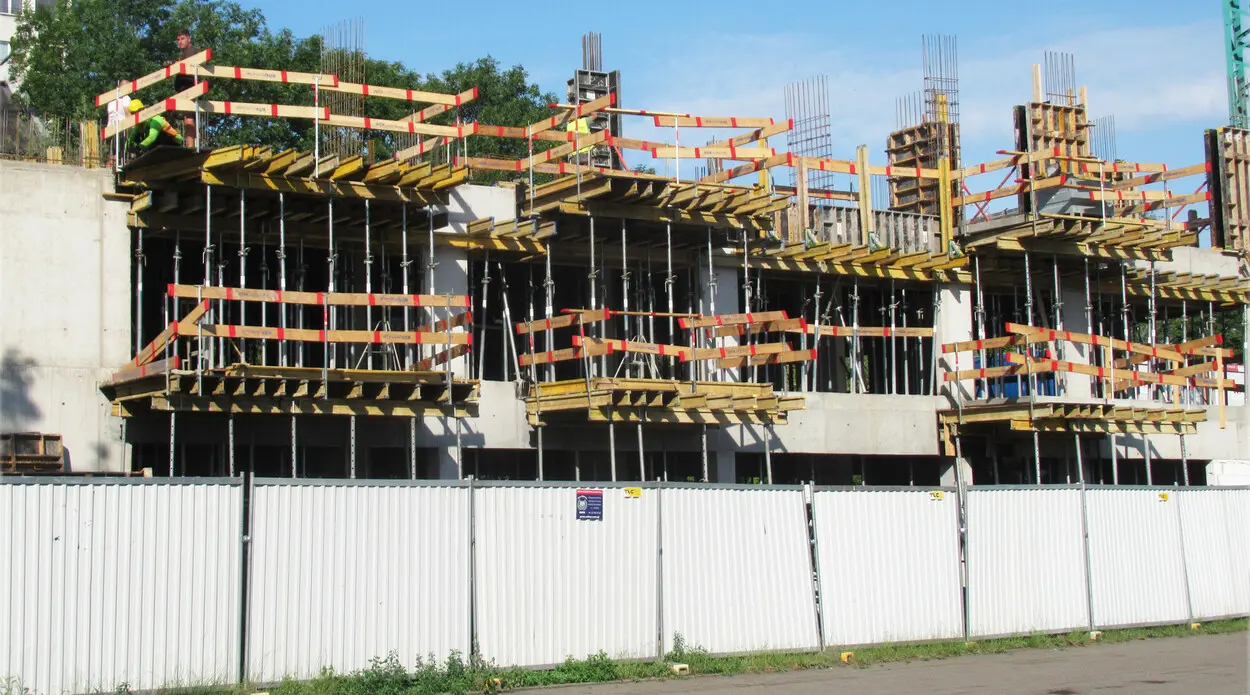
German industry has left the front-loading reversal behind and showed further signs of at least a cyclical rebound. In May, industrial production increased by 1.2% month-on-month after a 1.6% drop in April. On the year, industrial production was up by 1%. While production in the automotive and energy sectors increased, activity in the construction sector weakened and appears to be a severe drag on the entire economy in the second quarter.
Cyclical rebound despite near-term risks
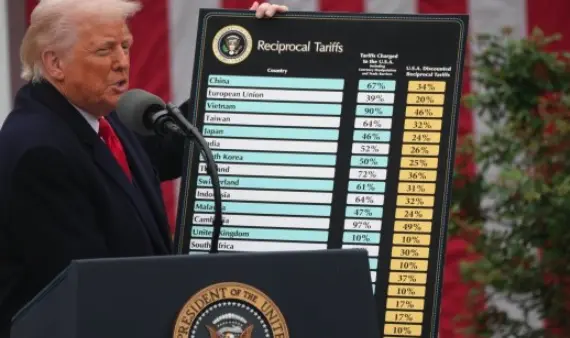
Since the start of the year, there had been promising signals from industry pointing to at least a cyclical rebound: the turning inventory cycle. Industrial orders had finally started to improve, and inventories began to drop. This phenomenon grew even stronger towards the end of the first quarter, with the US front-loading products from Germany in anticipation of looming tariffs.
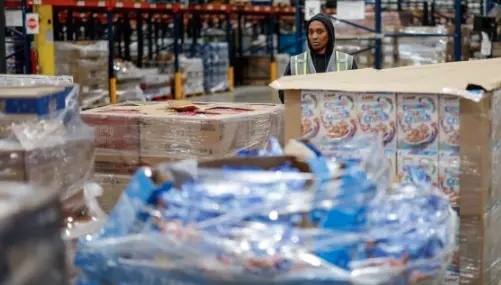
According to survey data, however, the positive turn of the inventory cycle ended abruptly in June, with inventories increasing again and order positions weakening, begging the question of whether the turning inventory cycle was more a result of front-loading rather than a cyclical phenomenon.
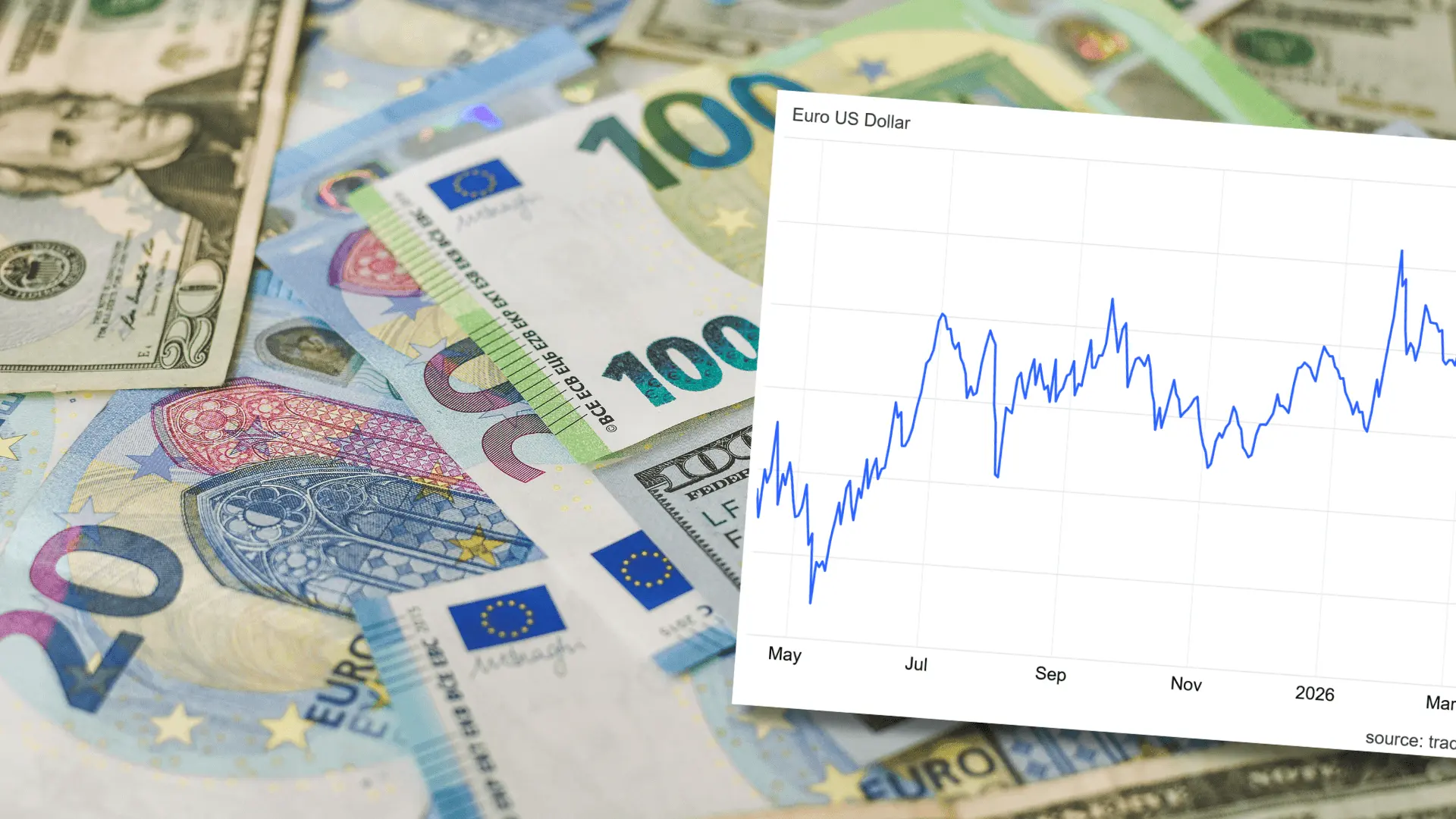
Looking ahead – and with the jury still out on the turning inventory cycle – German industry and the entire economy are still in the midst of two very different developments. For the nearer term, downside risks have clearly increased on the back of ongoing trade tensions, but also the stronger euro (which effectively acts as an additional tariff), as well as the dry and hot summer weather, which has brought water levels in Germany’s rivers to almost unprecedentedly low levels for this time of year. Still, the fact that the German government is implementing its fiscal plans without setbacks is keeping hopes high for more investment and stronger growth in 2026 and beyond.
All in all, today’s industrial production data has increased the likelihood that German industry is experiencing more than only a front-loading-driven rebound.