Summary:
- Likelihood of a worldwide recession that might harm energy consumption.
- Palladium prices are 30% lower than they were in March.
- The drawback is that continued upward momentum has been constrained by a generally stronger dollar.
WTI Crude Oil touching January lows
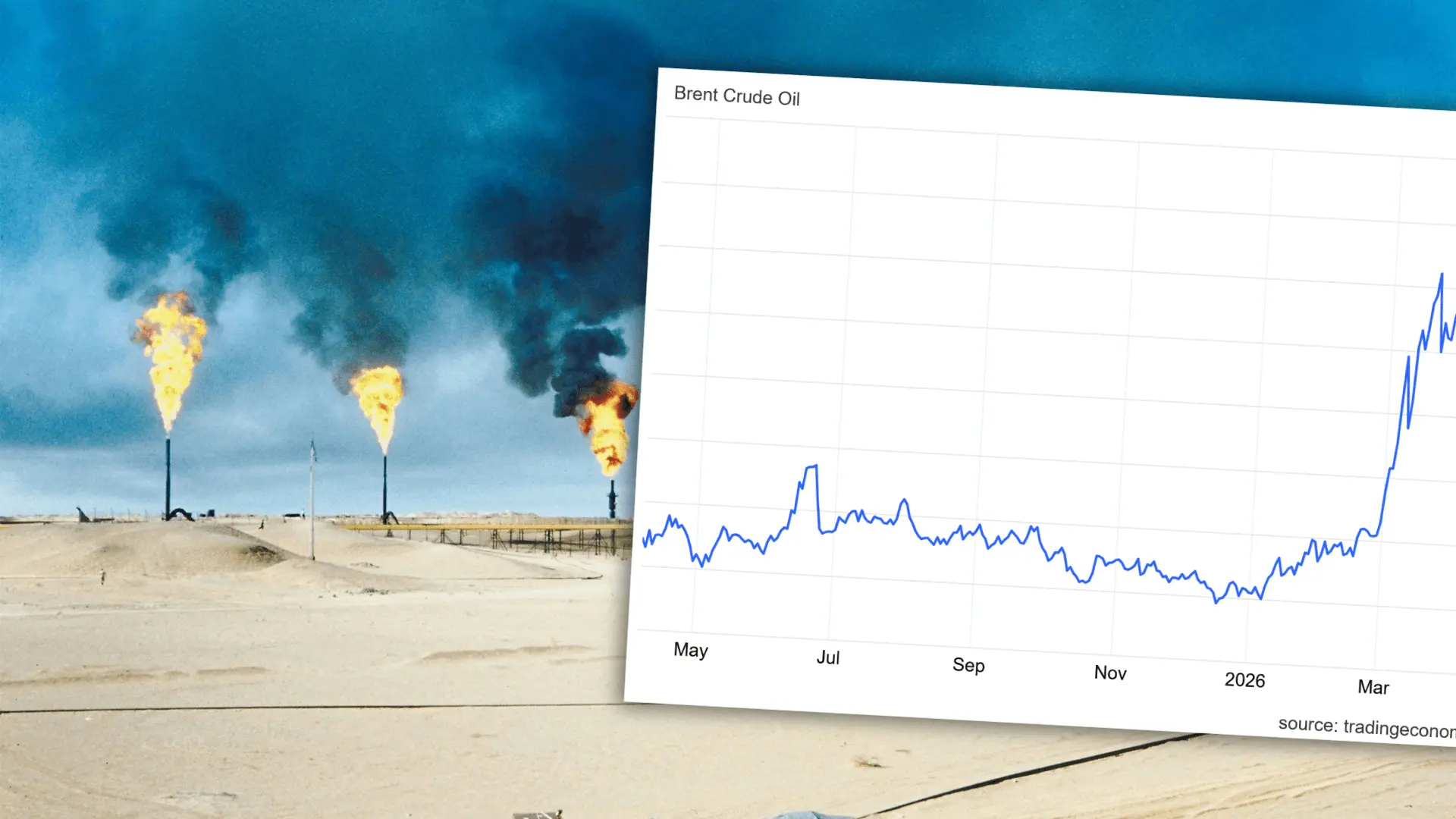
On Wednesday, WTI crude futures declined toward $77 per barrel, returning to their lowest levels since early January, as worries that OPEC+ may further restrict supply were countered by a strengthening currency and increasing US petroleum inventories. After a White House official ruled out a currency deal among major nations to reduce the dollar, the dollar index soared to a fresh 20-year high. Prior to the release of official figures later on Wednesday, industry data revealed that the US crude stockpiles increased by over 4 million barrels last week. With aggressive monetary tightening increasing the likelihood of a worldwide recession that might harm energy consumption, oil prices have been under intense selling pressure since June and are expected to report their first quarterly loss in more than two years. While this was going on, dramatic drops in oil prices fueled rumors that OPEC+ might reduce output to stop the decline. Moscow reportedly urged the cartel to reduce production by approximately 1 million barrels per day.
 WTI Crude Oil Futures Price Chart
Palladium touching 4-week highs
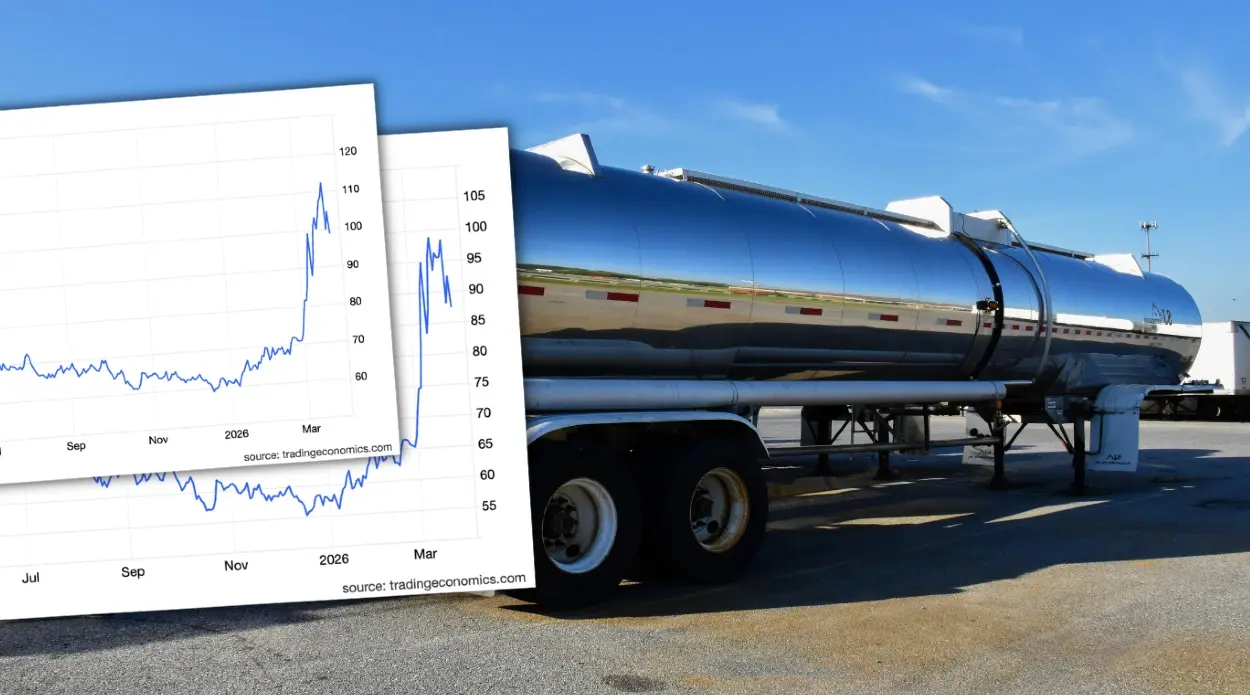
As the dollar index deviated from 20-year highs, palladium futures increased their gains to $2,200 per ounce, the highest level in almost four weeks. Nevertheless, in spite of rising interest rates and slowing GDP, palladium prices are 30% lower than they were in March. It is anticipated that central banks would keep raising interest rates to keep inflation from soaring even when the economy is slowing. Furthermore, despite the price increase and supply chain disruptions, demand for palladium, which is used in auto catalysts for gasoline-powered vehicles, has not yet returned to its pre-pandemic levels. However, there is still a shortfall on the palladium market.
Palladium Futures Price Chart
Coffee futures
Due to limited supply, Arabica coffee futures on ICE increased their gains from a one-month low reached on September 16th. While Brazilian crop agency Conab reduced its 2022 arabica coffee production estimate from May's projection of 35.71 million bags to 32.41 million 60kg bags, as adverse weather curbed coffee yields, posing risks for next year's production, new data showed ICE-certified arabica stocks fell to a fresh 23-year low of 460,387 bags. At the same time, exports of coffee from Colombia, the second-largest producer of arabica beans in the world, decreased 7% during the first seven months of the year and plunged 21% year over year in August. The drawback is that continued upward momentum has been constrained by a generally stronger dollar.
Coffee Futures Price Chart
Sources: finance.yahoo.com, tradingeconomics.com