Energy- Russian oil price cap hits a stumbling block
The oil market came under further pressure yesterday as the USD continued to march higher. ICE Brent settled more than 2.4% lower on the day, leaving it to close below US$85/bbl. OPEC+ members have been oddly quiet in this latest sell-off. However, we are likely to hear a growing amount of noise in the lead-up to the OPEC+ meeting on 5 October. The group will likely be getting uneasy with the degree of weakness that we have seen in the market and so there is the very real possibility that we see OPEC+ announce supply cuts in order to support the market. Clearly though, if we are to see cuts, they will need to be quite a bit larger than the 100Mbbls/d agreed at the last meeting in order to have a meaningful impact on the market.
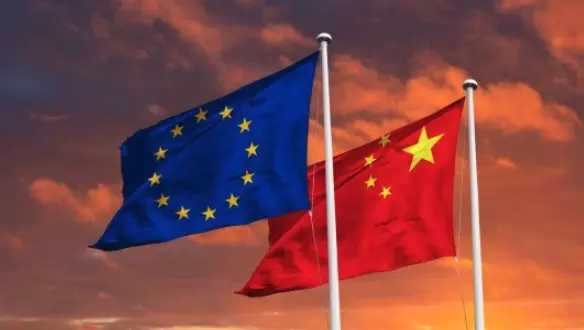
It appears that the EU will delay the planned Russian oil price cap due to disagreements between EU members. According to reports, both Cyprus and Hungary oppose the idea of a price cap, and in order to be adopted, all members need to agree. The European Commission had been wanting the price cap to be enforced at the same time as the EU ban on Russian seaborne crude oil, which comes into effect on 5 December. Clearly, given the latest delay, this may not happen now.
In the US, Hurricane Ian has led to the shut-in of some oil production in the US Gulf of Mexico. Both Chevron and BP have evacuated and shut a couple of platforms each.
European natural gas has also been unable to avoid the weakness across the commodities complex. TTF fell by more than 6% yesterday and recorded its fourth consecutive day of settling lower. Meanwhile, the European Commission is still looking into the possibility of a price cap for natural gas. If the EU was to go down this route, it would not help solve the tightness in the gas market, as this move will likely only support gas demand. Spain introduced a price cap on gas used for power generation earlier this year, which unsurprisingly led to higher demand for gas.
|