Energy
ICE Brent held steady yesterday, settling just below US$100/bbl. This was despite the US CPI print surprising to the upside. There will likely be concern that this could result in the US Fed being even more aggressive when it comes to hiking rates at its next meeting.
The IEA also released its latest monthly market report yesterday, in which revisions were made to oil demand growth due to the higher price environment and deterioration in the macro picture. The IEA now expects oil demand to grow by 1.7MMbbls/d this year (compared to a previous estimate of 1.8MMbbls/d) and by 2.1MMbbls/d in 2023 (down by 100Mbbls/d from the previous forecast). The growth next year is expected to be driven by non-OECD nations. As for OECD oil inventories, these edged higher in May by 15.2MMbbls. However, stocks are still more than 300MMbbls below the 5-year average and the expectation is that we will see further tightness as the EU ban on Russian seaborne oil comes into force.
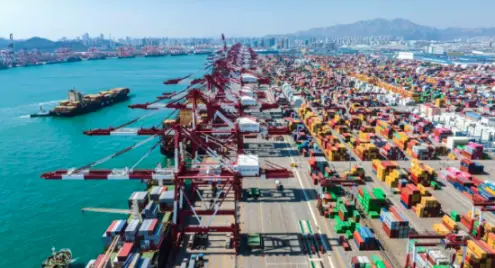
The latest trade data from China yesterday showed that crude oil imports came under pressure in June, falling 11% YoY and 19% MoM to average 8.75MMbbls/d. This is the weakest monthly import number since July 2018 and reflects the buildup of stock seen over April and May, and the impact from Covid lockdowns that we saw over much of the second quarter.
EIA weekly numbers showed that US commercial crude oil inventories increased by 3.25MMbbls over the last week. However, taking into consideration SPR releases, total US crude oil inventories declined by 3.63MMbbls. However, the big changes were on the refined product side, with gasoline and distillate fuel oil inventories increasing by 5.83MMbbls and 2.67MMbbls respectively. The large build in gasoline inventories was driven by a steep decline in implied demand over the week, which fell by 1.35MMbbls/d. This resulted in implied gasoline demand averaging 8.06MMbbls/d, which is the lowest level seen for this stage of the year in at least a decade. Overall, the report was fairly bearish for the market.
|