Energy: oil rallies on growing supply risks
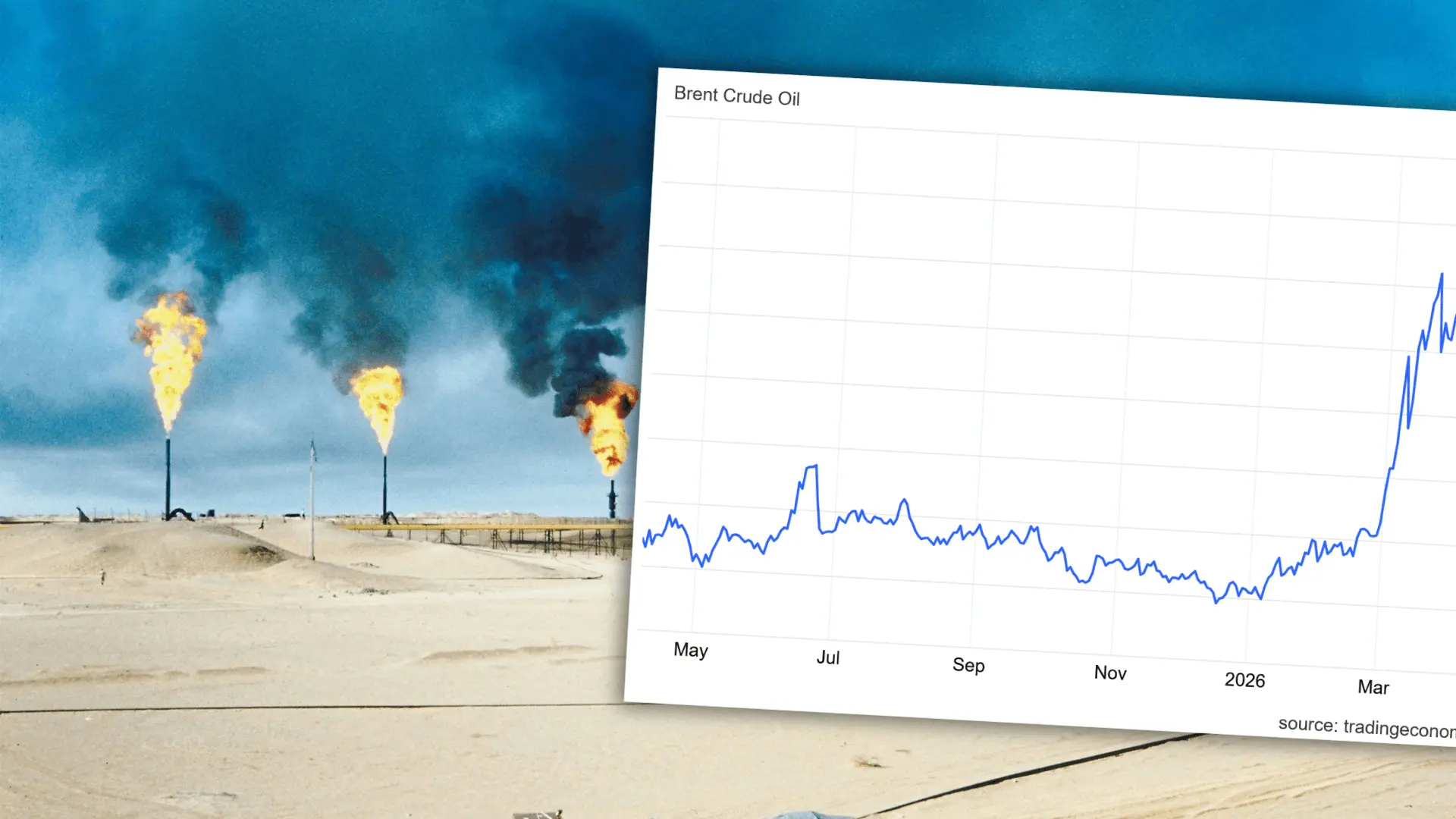
ICE Brent is now trading convincingly above US$100/bbl, after settling more than 4% higher yesterday. The market appears to be getting increasingly nervous about growing supply risks from Libya. This is after fighting broke out in the capital, Tripoli, in recent days. Until now there have been no reports that this fighting has impacted the oil supply. However, with Libya pumping around 1.2MMbbls/d, the market is somewhat nervous about potential supply disruptions. Although, given how volatile Libyan supply has been in recent years, one would think that there was some level of risk premium already priced into the market.
In addition, market participants might be reluctant to short the market at the moment, given the uncertainty in the lead-up to the OPEC+ meeting on 5 September. This is particularly the case given that the Saudi energy minister said that the group may have to cut output, with a dislocation between the physical and paper market. Since then, a number of other OPEC members have backed Saudi comments. So, potentially, the next meeting could be quite interesting, although it will be difficult to justify cutting output when Brent is trading above US$100/bbl. However, we continue to believe that potential intervention from OPEC+ provides a floor to the market, which is not too far below the recent lows.
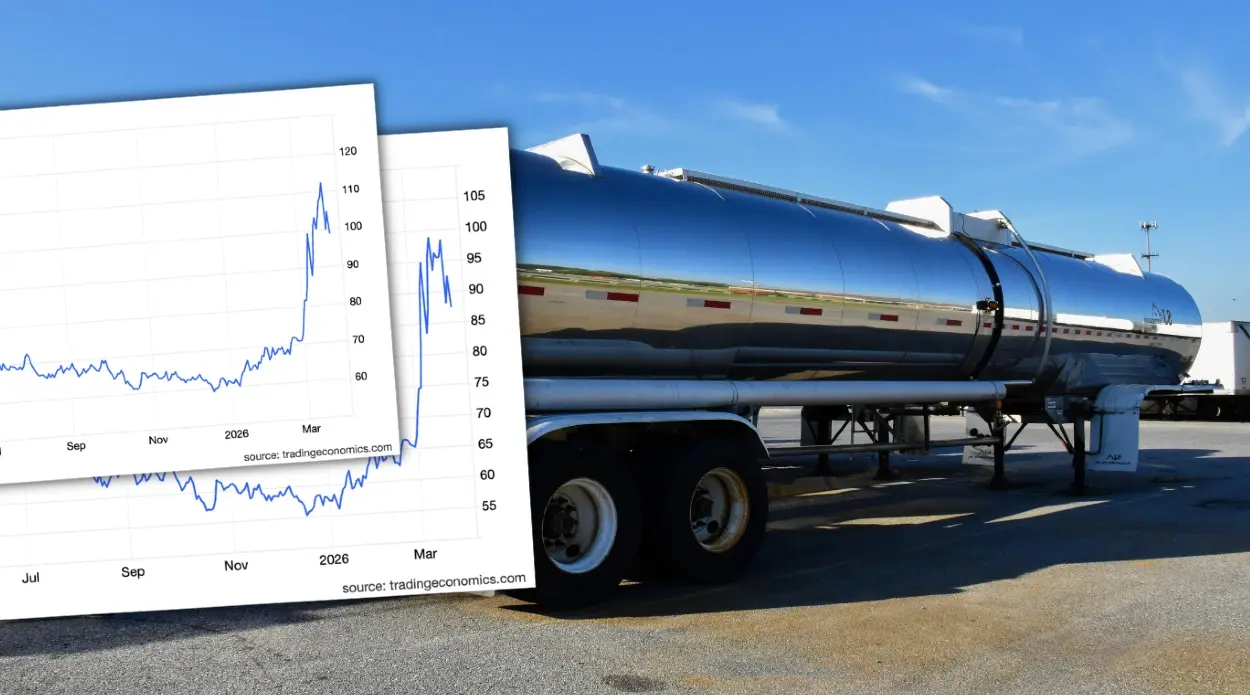
European natural gas prices came under significant pressure yesterday. TTF settled almost 20% lower, although prices are still trading at more than EUR270/MWh. Following the higher prices run, it seems there has been some profit-taking. From a fundamental point of view, little has changed to justify the scale of the move. Although given the uncertainty and limited liquidity in the market, prices are likely to remain trading at elevated levels with a large amount of volatility. Possibly contributing to the weakness were reports that the European Commission will come up with a proposal to address the significant strength that we have seen in European power prices. Any action which caps power prices will limit the profitability of burning gas for power generation, which could possibly feed through to lower gas demand. At the moment, spark spreads provide little incentive for gas demand destruction from the power generation sector.
Finally, Russian gas flows along Nord Stream are set to stop tomorrow (31 August) for three days of maintenance at a compressor station. The market will be eagerly watching to see if flows restart once maintenance comes to an end. Currently, Nord Stream is only operating at about 20% of capacity, and Gazprom has said that flows will return to these levels once the work is complete. If flows do restart when stated, it could provide a bit further downside to European prices in the immediate term.
|