Energy- Macro pressure
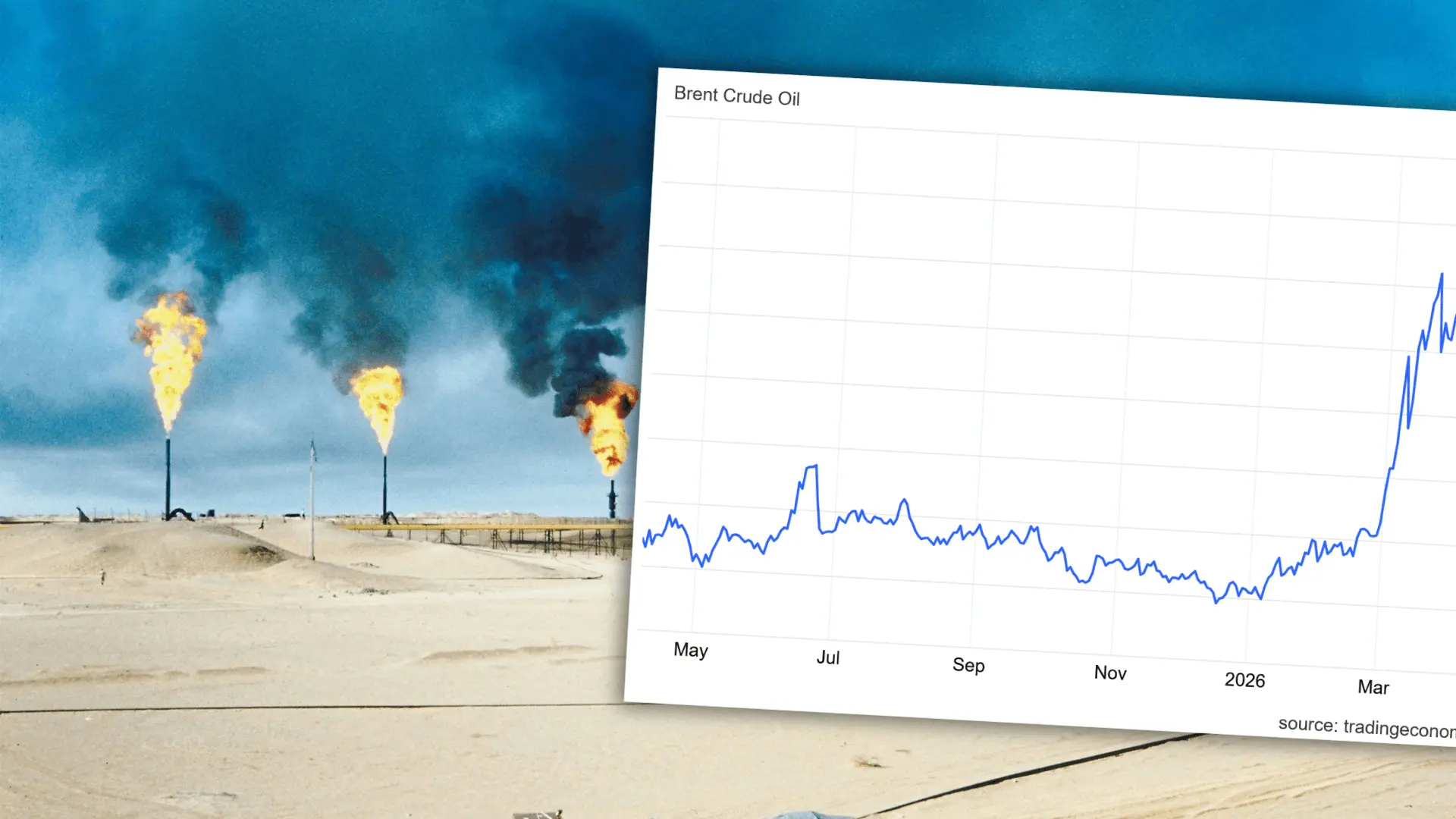
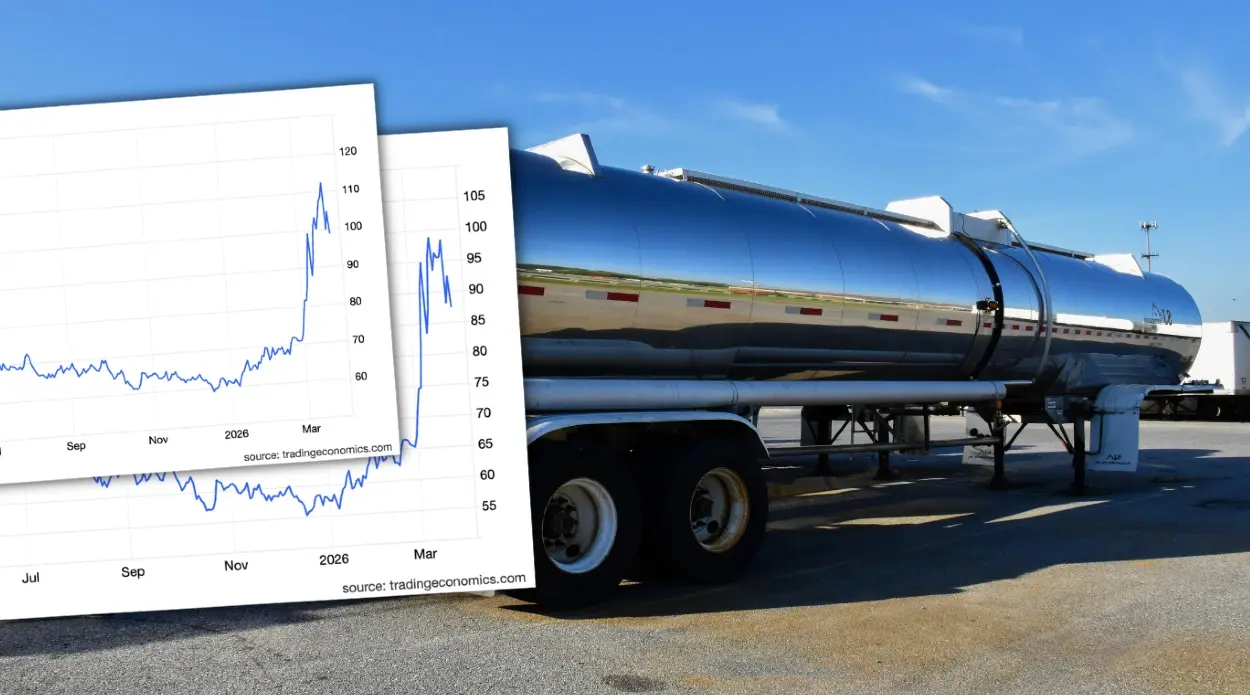
ICE Brent came under significant pressure on Friday, trading down to US$85.50/bbl - the lowest level since January and settling almost 4.8% lower on the day. The surge higher in the USD has not been helpful to the oil market, while a raft of central banks tightening monetary policy dims the demand outlook. Despite the weakness in the flat price, the prompt time spread has held up fairly well in the last couple of days and strengthened to a backwardation of US$1.13/bbl. If the flat price weakness persists, we will need to keep a lookout for possible OPEC+ intervention. The group has made it clear in recent months about the possibility of further action given the apparent disconnect between the physical and the paper market. If it is not there already, the market is trading towards levels where OPEC+ will be getting uneasy. The group are scheduled to meet next week. This could be an interesting meeting.
The latest positioning data shows that speculators increased their net long in ICE Brent by 5,635 lots to 162,334 lots as of last Tuesday. This move was exclusively driven by short covering, rather than fresh longs coming into the market. Given the weakness in the market since Tuesday, speculators are likely to have trimmed this position. Similarly, the speculative net long in NYMEX WTI increased by 7,941 lots over the last reporting week to 192,740 lots. As for ICE gasoil, speculators trimmed their net long, selling 20,321 lots over the reporting week, to leave them with a net long of 47,176 lots. Given the recent speculation of China releasing a large amount of refined product export quotas, it shouldn’t be too surprising to see speculators taking risk off the table.
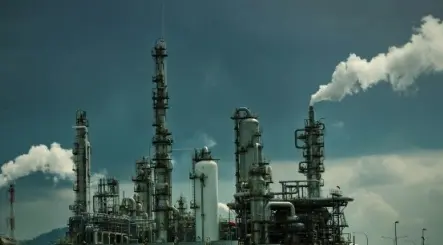
In Iraq, the oil ministry has announced that trial operations at the 140Mbbls/d Karbala refinery have started. Given the tightness in the refined products market (particularly the middle distillate market), the ramping up of new capacity will be welcomed by the market. Supply from the Karbala refinery will help to meet domestic demand.
|