Global exchange stocks at record lows
Copper stockpiles held by the LME have continued to increase this week, with metal immediately available to withdraw rising for 20 straight days to the highest in a year this week.
While inventories have increased from the lows earlier in the year (below 70kt over February/March versus 139kt at the moment), they remain at record lows, representing just two days’ worth of global supply. The tight physical market is also reflected in the cash/3M spread having been in backwardation in excess of US$100/t recently.
Global exchange stocks declined by 136,500 tonnes in September to just under 250,000 tonnes. Chinese bonded warehouse stocks have plummeted by two-thirds over the past month to just 37,000 tonnes at the end of September despite Chinese imports remaining robust at 332,000 tonnes in August and up 8% year-to-date.
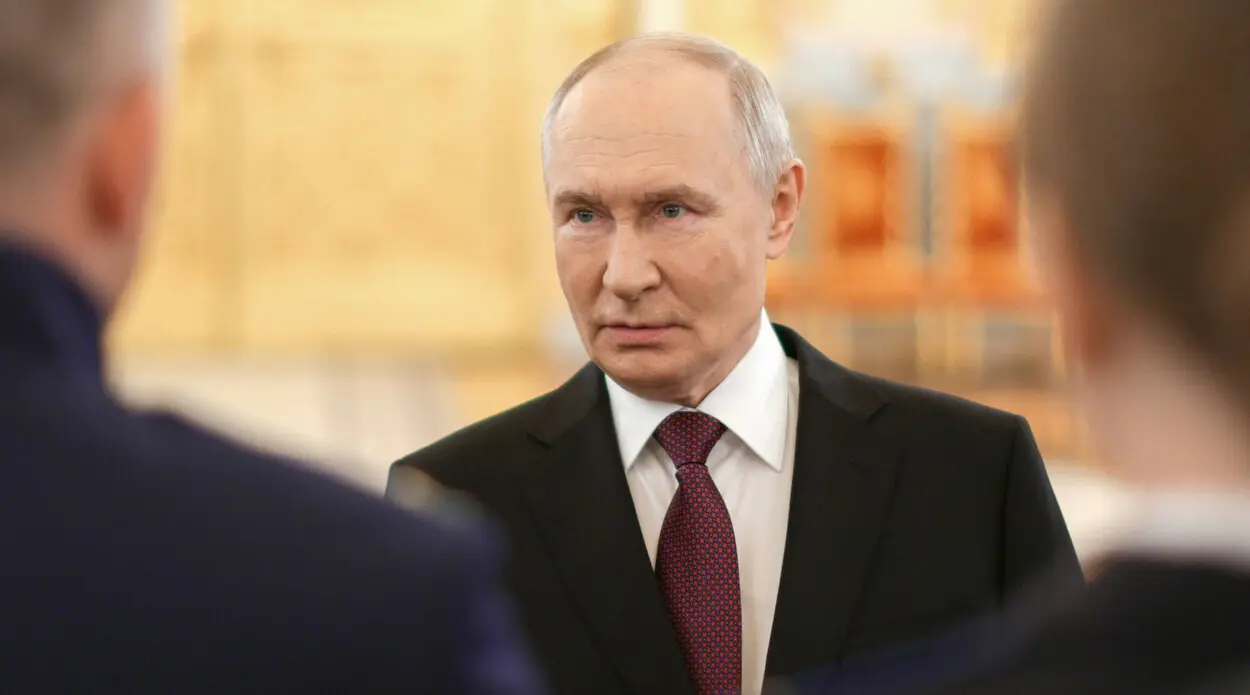
Meanwhile, LME consultation on Russian metal has cast new uncertainty over supply. Last week the LME said it plans to launch a discussion paper considering a potential ban on new supplies of Russian material, including aluminium, copper, and nickel. The LME also announced this week that it will restrict new deliveries of copper and zinc from Russia’s Ural Mining & Metallurgical Co. and one of its subsidiaries after the UK sanctioned co-founder Iskandar Makhmudov. Starting immediately, metal from UMMC or Chelyabinsk Zinc unit can only be delivered to LME warehouses if the owner can prove to the exchange that it won’t constitute a breach of sanctions, including that it was sold before Makhmudov was sanctioned by the UK on 26 September, and that neither company has any economic interest in the metal.
The LME said that UMMC copper which is currently listed in the LME warehouse system is not subject to the sanctions, and there is no zinc produced by Chelyabinsk in LME warehouses.
Russia produced 920,000 tonnes of refined copper last year, about 3.5% of the world's total, according to USGS, out of which Nornickel produced 406,841 tonnes. Asia and Europe are the main export markets for Russian copper. Although Russian copper is not officially sanctioned, self-sanctioning could already be disrupting trade dynamics in the European market.
|