Property stimulus improves confidence
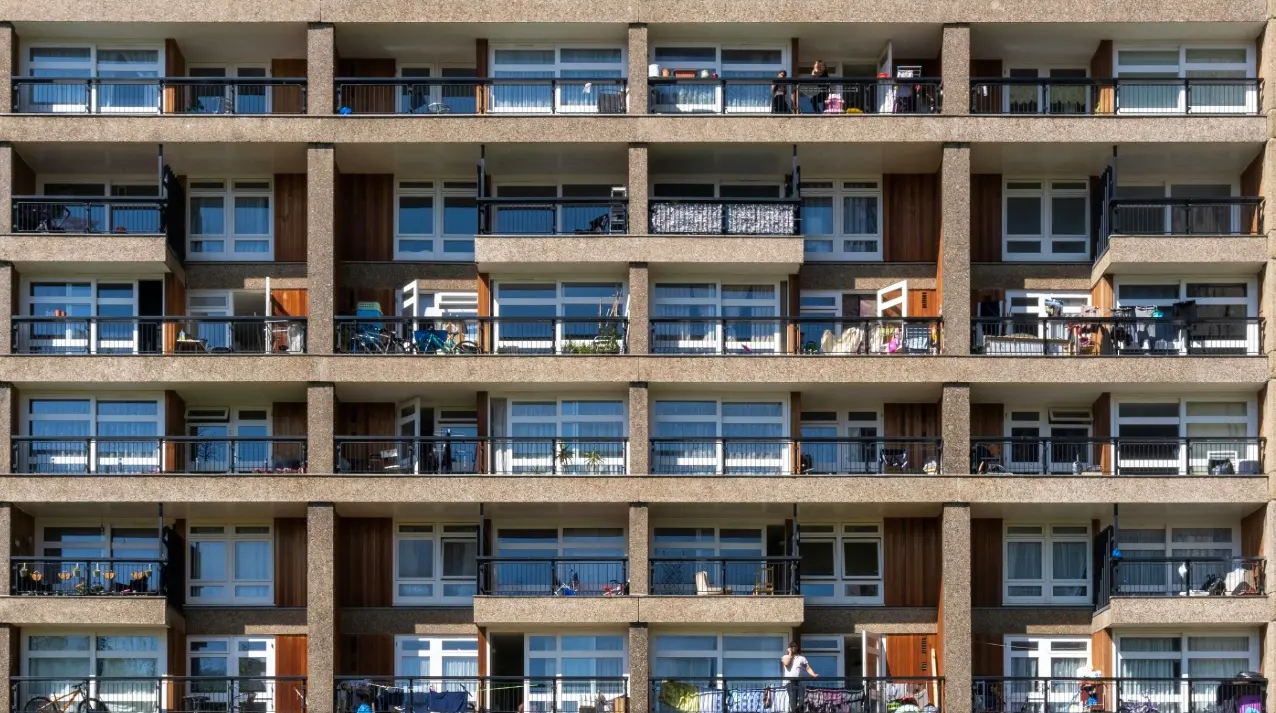
Beijing has released a raft of policy measures in recent weeks which have increased confidence that the economy is stabilising, improving the outlook for industrial metals, including copper. For almost two decades, China’s property sector growth and the country’s rapid urbanisation have been the key driver of growth for copper demand.
China will return to “normal” growth soon as Beijing steps up support for households and businesses, Guo Shuqing, party secretary of the People’s Bank of China, told state media recently.
The world’s biggest consumer of copper is expected to quickly rebound because of the country’s optimised Covid response and after its economic policies continue to take effect, Guo said.
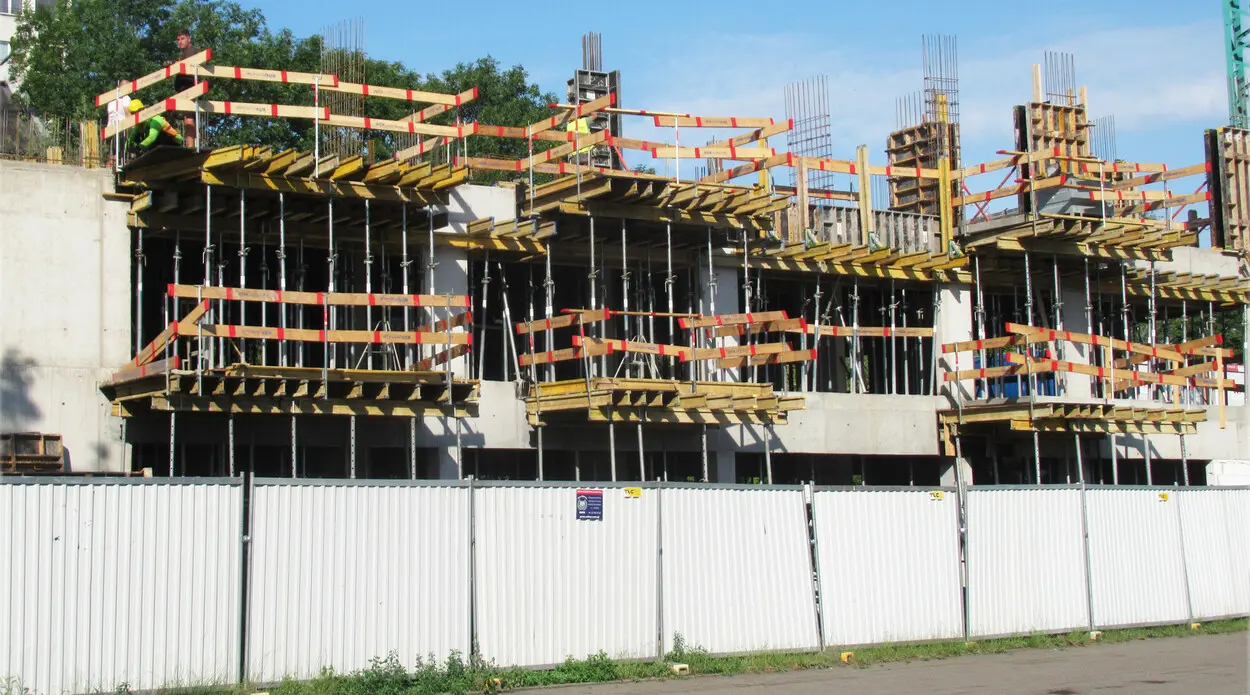
In its most recent move, China is planning to allow some property firms to add leverage by easing borrowing caps and pushing back the grace period for meeting debt targets. The move would relax the strict “three red lines” policy which had contributed to a historic property downturn, hitting demand for industrial metals. The easing would add to a raft of policy moves issued since November to bolster the ailing property sector, which accounts for around a quarter of the country’s economy.
China’s economy ended 2022 in a major slump. Factory activity in the country contracted in December at the fastest pace in nearly three years. The official manufacturing purchasing managers’ index (PMI) slumped to 47 last month from 48 in November, according to the National Bureau of Statistics.
It was the biggest drop since February 2020 and also marked the third straight month of contraction for the index.
The non-manufacturing PMI, which measures activity in the services sector, plunged to 41.6 last month from 46.7 in November. It also marked the lowest level in nearly three years.
And although the government has stepped up its support for the property market, the effects are still slow to take effect – home sales fell again in December. The 100 biggest real estate developers saw new home sales drop 30.8% from a year earlier to 677.5 billion yuan ($98.2 billion) in December, according to data from China Real Estate Information Corp. That compared with a 25.5% decline in November.
Housing prices fell 0.25% in December from the previous month, the 16th consecutive month of declines.
We believe more stimulus and infrastructure spending could be unveiled at the National People’s Congress in March, which is likely to boost demand for commodities further.
|