Summary:
- Central banks around the world boosted interest rates this week.
- Gold prices continued to be pressured by a strong dollar and rising Treasury yields.
- Chicago Corn futures were maintaining their upward trend
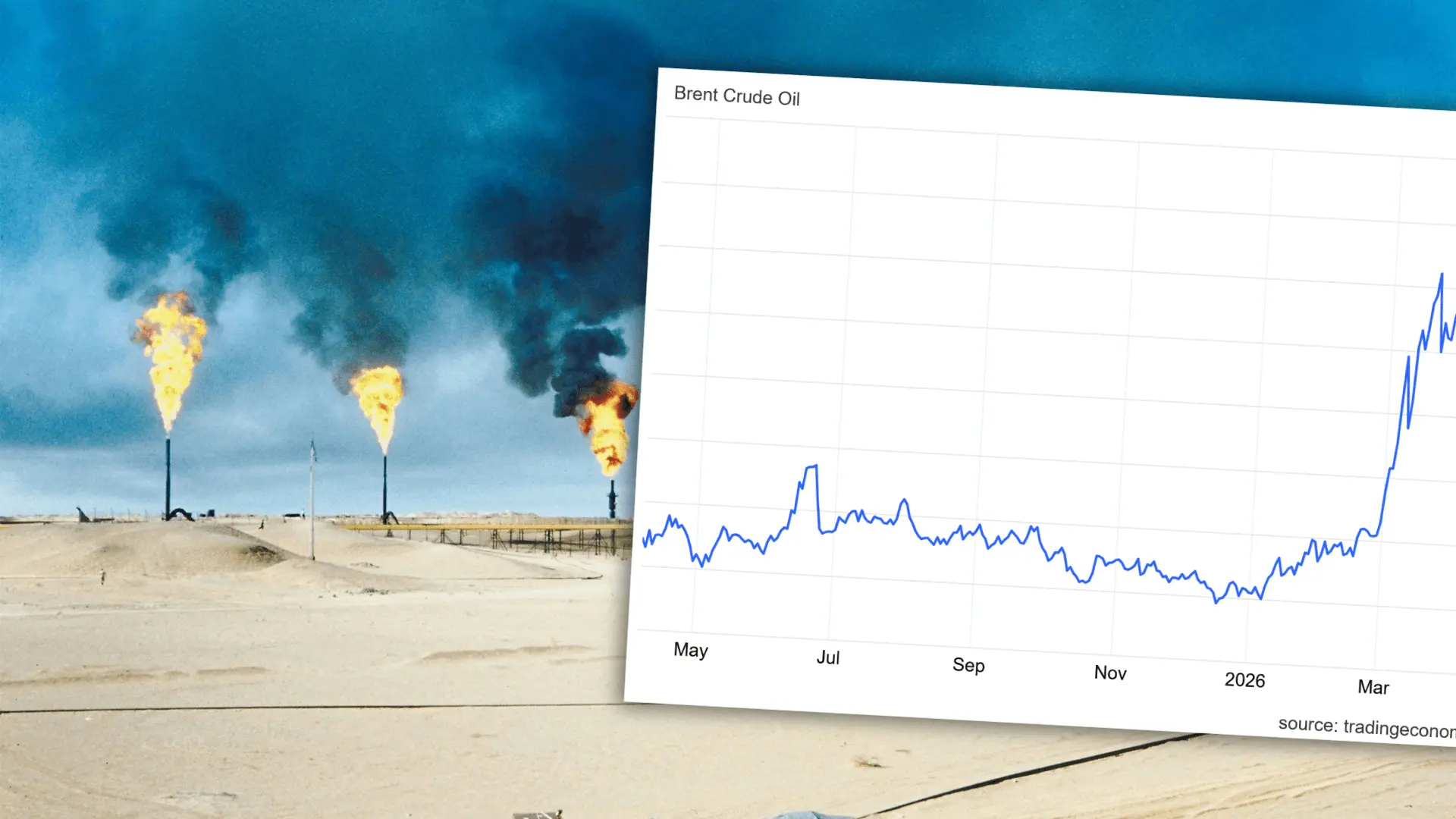
Brent Crude Oil heading for 4th weekly decline
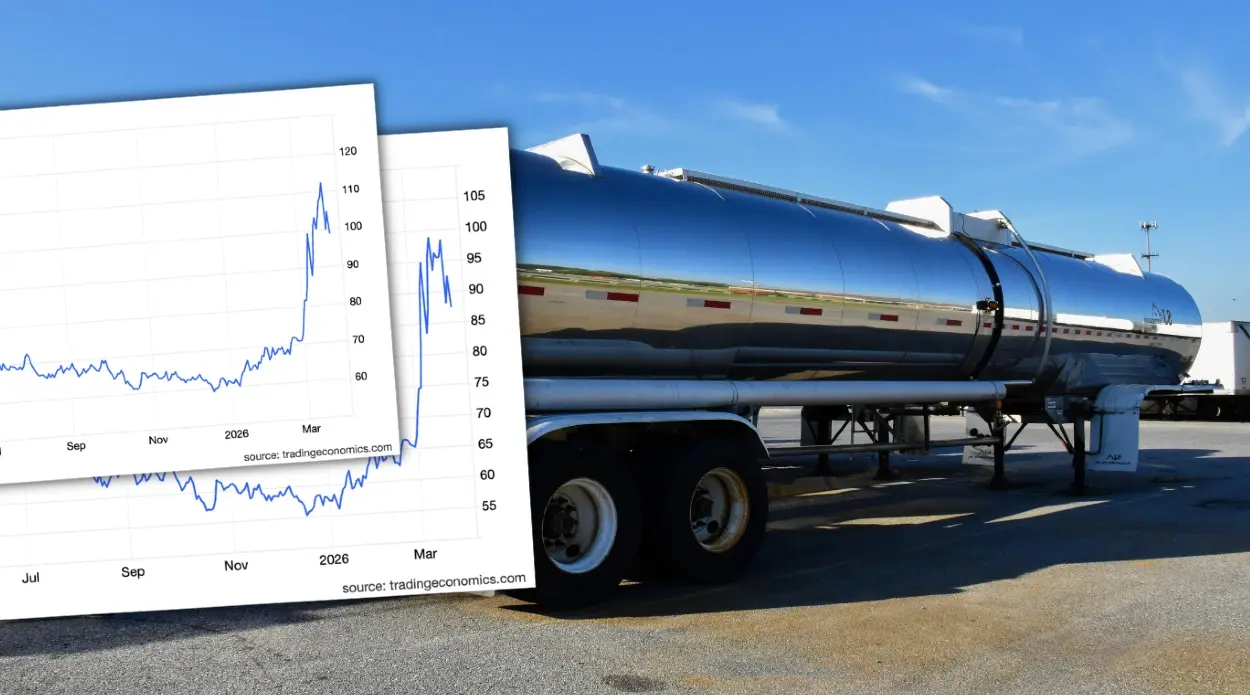
As central banks around the world boosted interest rates this week, fueling concerns about a global economic downturn and impacting on the forecast for energy consumption, Brent oil futures traded near $90 per barrel on Friday and were on track for their fourth consecutive losing week. Along with rate rises from the Bank of England, Swiss National Bank, and other institutions, the US Federal Reserve took the lead with its third consecutive 75 basis point rate increase. The Fed's proactive stance against inflation and demand for safe haven assets, which drove the dollar strongly higher, also dampened mood because it made oil priced in greenbacks more expensive for buyers using foreign currencies. Meanwhile, news that efforts to resurrect the 2015 Iran nuclear deal have failed has prevented oil prices from suffering more losses on Friday. Investors also kept an eye on Russia's limited military deployment, which might further disrupt supplies, the strengthening Chinese economy, and the potential for further output cutbacks from OPEC+.
 Brent Crude Oil Futures Price Chart
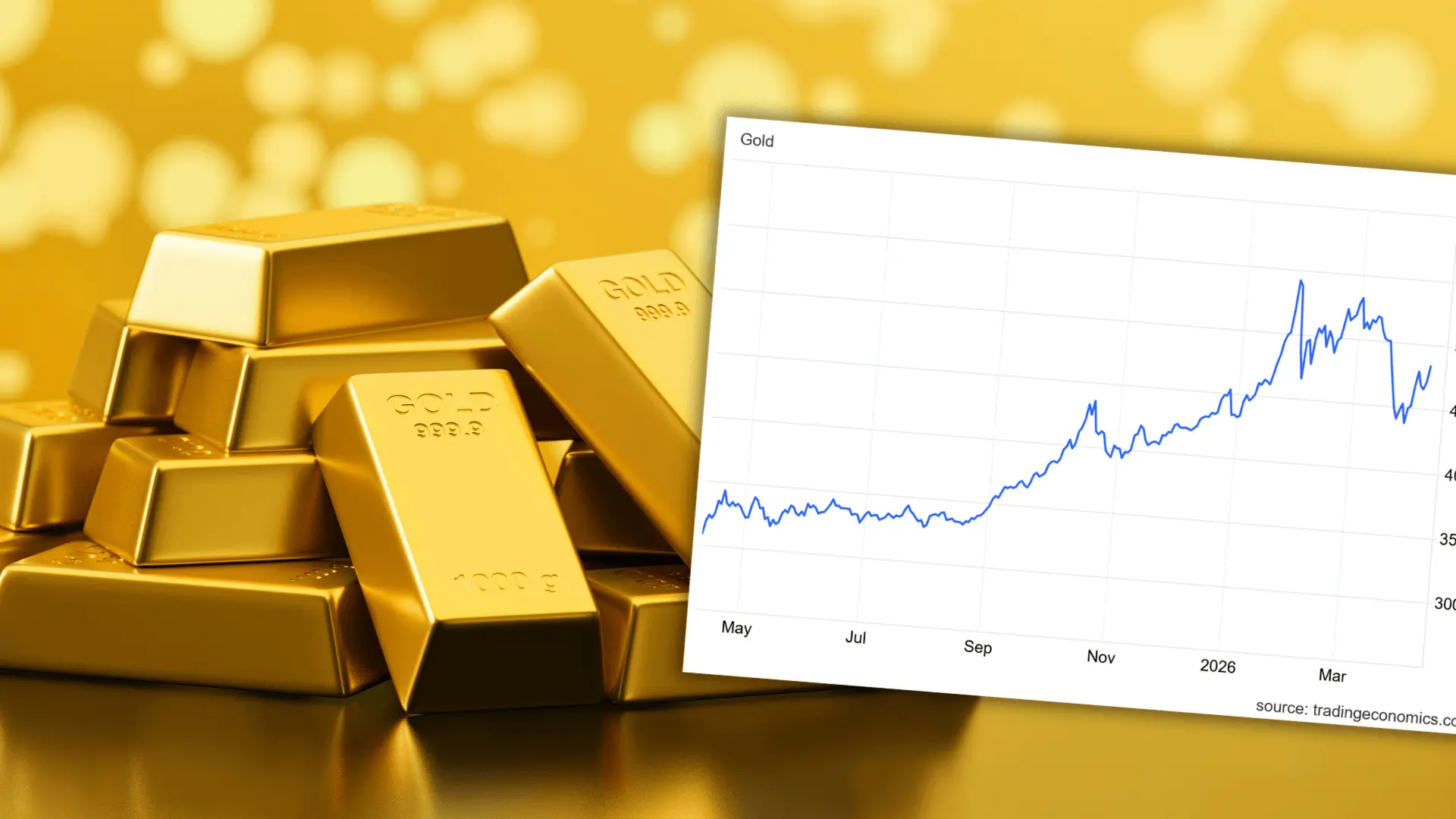
Gold futures touching 2 year lows
Gold prices continued to be pressured by a strong dollar and rising Treasury yields, which indicated forecasts for tighter monetary policy and weakening global growth. On Friday, gold prices dropped below $1,660 an ounce, the lowest in over two years. With its third consecutive 75 basis point rate increase to combat inflation, the US Federal Reserve led a flurry of central banks this week in raising interest rates. With Isabel Schnabel, an ECB board member, stating on Thursday that strong inflationary pressures in the euro zone are likely to be more persistent than anticipated, the European Central Bank is also expected to raise rates further. Higher interest rates reduce the appeal of holding non-yielding bullion by increasing the opportunity cost. As the US' relative economic strength and the Fed's active stance against inflation elevated the dollar at the expense of other safe-haven assets, gold also lost its luster as a store of wealth in times of economic uncertainty.
Gold Dec ‘22 Futures Price Chart
Corn shortage is expected
Chicago Corn futures were maintaining their upward trend since falling to an eight-month low in July, and diverging from the oil market as concerns about a shortage of corn outweighed expectations of a decline in demand. Expectations for the current crop were limited by bad weather in the major growing regions of the Americas. In the US, WASDE forecasts that output will amount to 13.9 billion bushels in the upcoming marketing year, down 415 million from earlier projections due to a fall in yields and harvesting area. Additionally, ending stocks and global production were revised downward. In the US, summer droughts caused havoc on domestic maize crops during the current marketing year, resulting in yields that were the lowest since the drought of 2012. Additionally, the impacts of La Nina in South America significantly harmed the health of the harvests, putting additional strain on supply.
Corn Dec ‘22 Futures Price Chart
Sources: finance.yahoo.com, tradingeconomics.com