Metals – LME decides against Russian metals ban
Metals prices surged on Friday after China eased some Covid restrictions, fuelling speculation of a broader relaxation in measures. The easing, including a shortening of the quarantine period, comes at a time when Covid cases nationwide have surged, with outbreaks in Guangzhou and Beijing. A weakening US dollar, following a lower-than-expected US CPI reading for October, has also been supportive. This optimism is likely to continue this morning after reports that China will implement 16 property measures to help out the weak property sector. Some of these measures include debt extensions to the industry and relaxing deposit requirements for homebuyers.
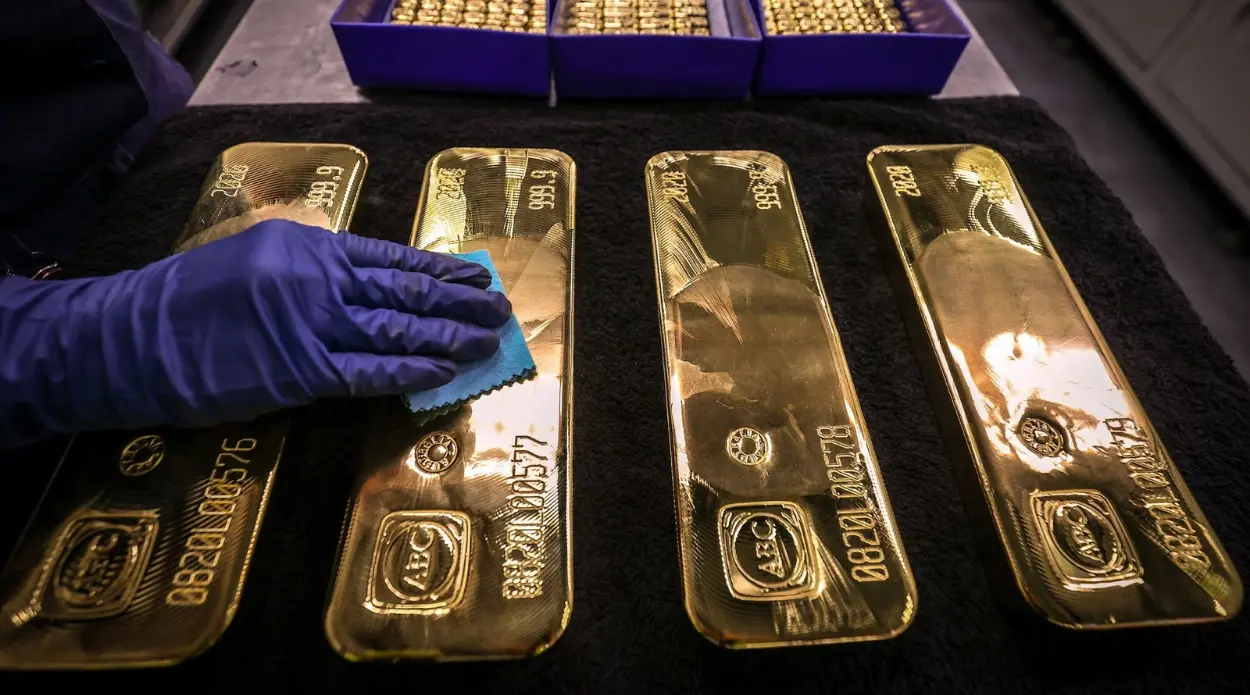
The metal markets also have a bit more clarity now, following the LME’s decision to take no action on the delivery of Russian metals into LME warehouses, after receiving a number of responses to its discussion paper. The LME was looking at potentially banning the delivery of Russian metal into its warehouses, limiting Russian flows or taking no action. In the lead-up to the decision, there were a number of producers who were quite vocal in calling for Russian metal to be banned, whilst consumers were keener for there to be no changes. If we continue to see an increasing amount of self-sanctioning of Russian metals, the risk is that we see more Russian metal being delivered into LME warehouses, which could potentially mean that LME prices trade at discounted levels to actual traded prices.
Nyrstar’s Budel plant in the Netherlands will partially restart production in November. The operations at the plant will depend on market conditions, the company said, which remain extremely challenging. The Budel smelter was shut on 1 September, however, the plant had been operating at lower capacity since 4Q21 due to high energy prices. Budel is one of Europe’s largest zinc smelters, with a nameplate capacity of 315ktpa.
|