Liquidated Damages
Sygnity is always at risk of claims under liquidated damages and warranty clauses contained in its many contracts with customers and business partners. As of 31 December 2022, the Company reported having conditional off-balance-sheet obligations under performance and warranty clauses in the amount of PLN 14.5m.
Public Contracts
Sygnity competes in government tenders for IT services which are typically awarded to the lowest bidder. Meanwhile, the biggest contracts usually require the onboarding of subcontractors, which heightens the risk of default. Another risk are cost overruns on underestimated projects (Sygnity's 2013 e-Taxes contract is one example of an underrated budget).
Long-Term Contracts
The valuation and successful delivery a long-term contract hinges on many factors, some of which are beyond the control of the supplier. For example, the actual figures at the end of the contract might miss the initial revenue, cost, and profit targets, leading to provisions, adjustments and write-offs (cost overruns are the most common issue), and in the worst case to events of default.
Exchange Rate Risk
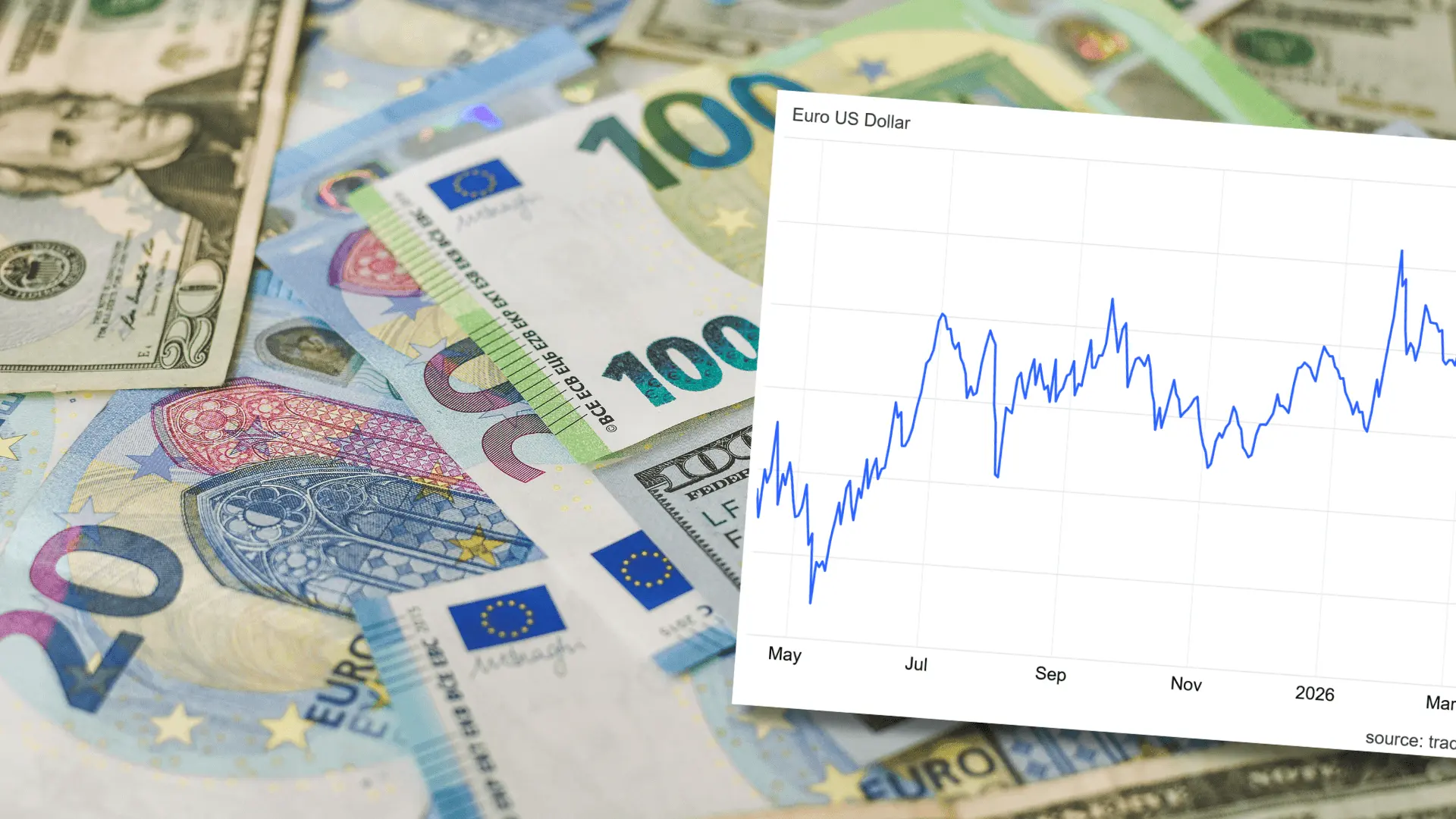
Sygnity's revenues and costs are affected by changes in the zloty's exchange rates relative to the euro and the US dollar. On the balance sheet, assets and liabilities denominated in foreign currencies consist exclusively of trade receivables and trade payables.
Corruption Probe
In 2019, Sygnity became involved in an investigation into allegations of corruption in the award of contracts by the Polish Post Office brought against its employees, including the CEO and the Supervisory Board Chairman. The Company fully cooperated with the authorities and turned over all requested records and items.
Since we do not have further knowledge about the current status of the case, we cannot tell whether and how it could affect future business.
Valuation
Using DCF analysis and relative valuation, we set our ninemonth per-share price target for Sygnity at PLN 20.70.

Multiples Comparison
We compared Sygnity with a peer group based on forward P/E and EV/EBITDA multiples. Each of the forecast years, calendar 2023, 2024, and 2025, is assigned an equal weight. For Sygnity, we took forecasts for the fiscal years of FY2022/23, 2023/24, and 2024/25, as if they were the corresponding calendar years.
We opt this time not to apply the usual 15% discount that reflected Sygnity’s slower earnings growth to the final valuation outcome.
DCF valuation
DCF model assumptions:
- The forecast period spans the fiscal years of FY2022/23 - 2031/32.
- The perpetuity risk-free rate is 4.50%.
- We assume FCF after the forecast period will grow at a rate of 2.0%.
- Net debt is ex IFRS 16 as of the end of FY 2021/22.
- Perpetuity D&A expenses and CAPEX are assumed equal.
DCF Model
Sensitivity Analysis
P&L
Cash Flow
Balance sheet
Key Ratios
Analyst:
Paweł Szpigiel
Equity Analyst, Expert
+48 509 603 258
pawel.szpigiel@mbank.pl
GPW’s Analytical Coverage Support Programme 3.0